
 LMS
LMS
Average Sq Ft of a Restaurant: How Much Space Does Your Restaurant Really Need?
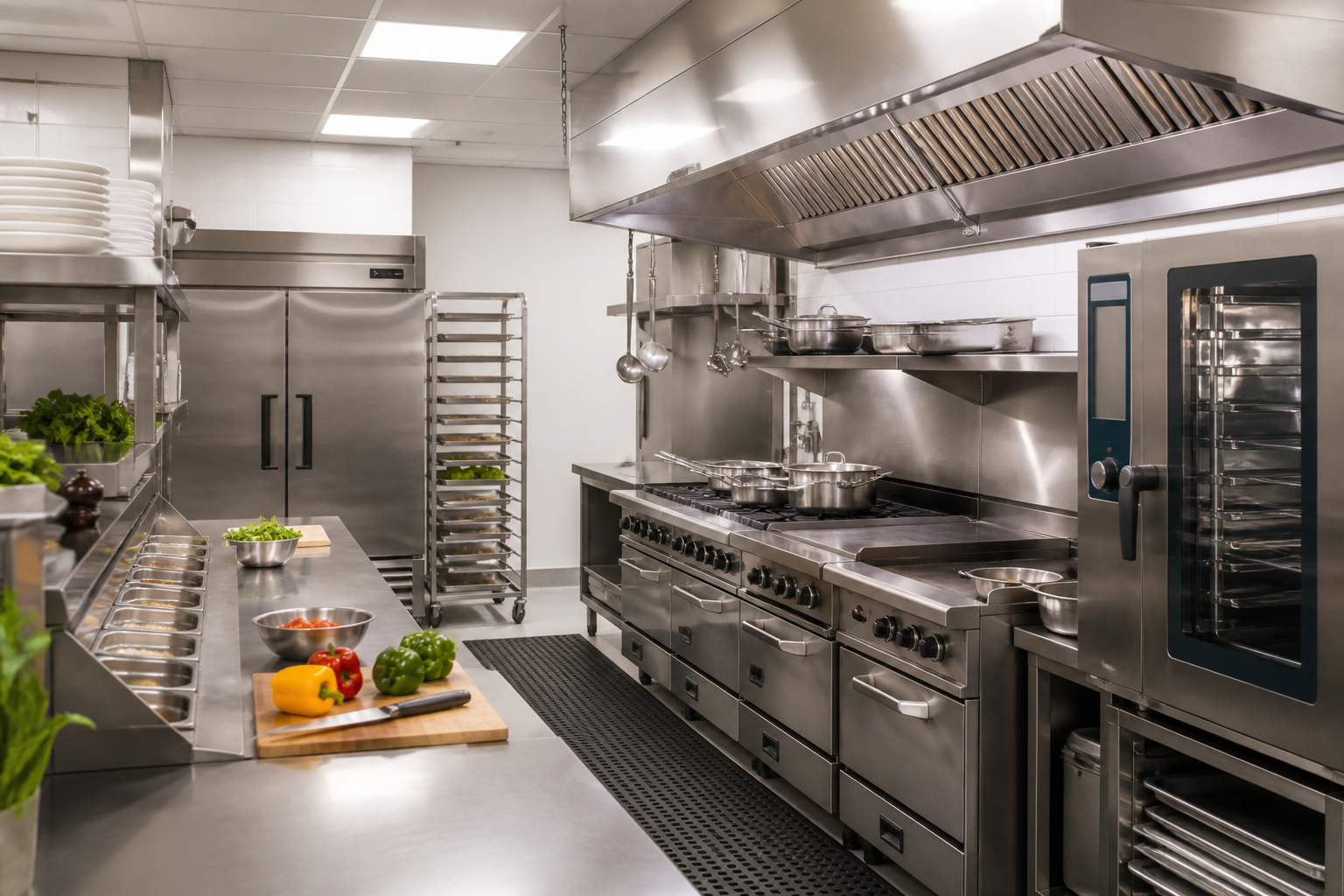
Choosing the right restaurant size is one of the most important decisions you'll make before opening or expanding your business. Too little space can create operational bottlenecks, while too much space increases rent, utility bills, and maintenance costs. Understanding the average sq ft of a restaurant helps restaurant owners estimate costs, design efficient layouts, and create a better customer experience.
The ideal restaurant size depends on several factors, including your concept, seating capacity, kitchen requirements, storage needs, and service style. A café typically requires far less space than a fine dining restaurant or buffet.
This guide explains the average sq ft of a restaurant, how much space different restaurant concepts need, and how to choose the right size for your business.
What Is the Average Sq Ft of a Restaurant?
The average sq ft of a restaurant varies depending on its concept and seating capacity.
As a general guideline:
| Restaurant Type | Typical Size |
|---|---|
| Coffee Shop | 800–1,500 sq ft |
| Café | 1,000–2,000 sq ft |
| Quick-Service Restaurant | 1,500–2,500 sq ft |
| Fast Casual Restaurant | 2,000–3,500 sq ft |
| Casual Dining | 3,000–5,000 sq ft |
| Fine Dining | 3,500–6,000+ sq ft |
| Buffet Restaurant | 5,000–8,000+ sq ft |
| Food Hall Stall | 300–800 sq ft |
| Ghost Kitchen | 400–1,500 sq ft |
These figures are averages and can vary based on local real estate costs and business requirements.
Why Restaurant Size Matters
The amount of space you lease directly affects:
- Monthly rent
- Seating capacity
- Kitchen efficiency
- Staff productivity
- Customer comfort
- Storage capacity
- Equipment placement
- Future expansion
Choosing the right size helps balance customer experience with operating costs.
How Much Space Does Each Customer Need?
Restaurant designers often estimate seating based on square footage per guest.
Typical guidelines include:
- Fine dining: 18–20 sq ft per guest
- Casual dining: 15–18 sq ft per guest
- Fast casual: 12–15 sq ft per guest
- Cafés: 10–15 sq ft per guest
- Bars: 15–18 sq ft per guest
Comfortable spacing improves the dining experience and allows staff to move efficiently.
Space Allocation Inside a Restaurant
Most restaurants divide their space into two main areas.
Front of House (Dining Area)
This includes:
- Dining room
- Waiting area
- Bar
- Restrooms
- Reception
- Outdoor seating
Typically, 60–70% of the restaurant is dedicated to customer-facing areas.
Back of House (Kitchen)
This includes:
- Kitchen
- Storage
- Walk-in refrigerator
- Freezer
- Dishwashing area
- Employee space
- Office
The remaining 30–40% is generally used for operations.
The exact ratio depends on your restaurant concept.
Factors That Determine Restaurant Size
Restaurant Concept
Different concepts require different amounts of space.
For example:
- Ghost kitchens require no dining room.
- Buffets need larger serving areas.
- Fine dining requires spacious seating.
- Coffee shops prioritize seating turnover.
Seating Capacity
The number of guests you plan to serve influences your square footage requirements.
Ask yourself:
- How many tables are needed?
- Will you offer private dining?
- Will outdoor seating be available?
Kitchen Requirements
Larger menus often require:
- More prep stations
- Larger refrigeration
- Additional storage
- Bigger cooking equipment
Kitchen size should match menu complexity.
Storage Needs
Restaurants storing bulk inventory need additional space for:
- Dry storage
- Refrigeration
- Freezers
- Beverage storage
Proper storage improves inventory management and food safety.
Delivery and Takeout
Many modern restaurants allocate space for:
- Delivery pickup
- Online order preparation
- Driver waiting areas
- Self-service pickup shelves
This has become increasingly important as online ordering grows.
How Restaurant Size Affects Operating Costs
Larger restaurants generally have:
- Higher rent
- Increased utility costs
- More cleaning expenses
- Larger staffing requirements
- Higher maintenance costs
However, they may also generate more revenue if customer demand supports the additional capacity.
Finding the right balance is essential.
Common Mistakes When Choosing Restaurant Size
Avoid these common errors:
Leasing More Space Than Necessary
Extra space increases fixed expenses without guaranteeing higher sales.
Underestimating Kitchen Requirements
A small kitchen can reduce efficiency and slow service.
Ignoring Future Growth
If expansion is likely, consider flexible layouts that allow additional seating or equipment.
Poor Floor Planning
An inefficient layout can create congestion for both customers and employees.
Professional space planning improves operations.
Technology Helps Maximize Restaurant Space
Modern technology allows restaurants to operate more efficiently regardless of size.
Useful tools include:
- Digital ordering
- QR code menus
- Reservation systems
- Kitchen display systems
- Inventory management software
- Table management software
Technology helps maximize productivity without increasing square footage.
Why Your Website Matters Regardless of Restaurant Size
Whether your restaurant occupies 800 sq ft or 8,000 sq ft, customers will often interact with your business online before visiting.
A professional restaurant website should include:
- Online ordering
- Reservations
- Digital menus
- Contact information
- Location map
- Mobile-friendly design
- Local SEO optimization
A well-designed website extends your restaurant beyond its physical space.
How Restaurant Site Finder Helps Restaurant Owners
Choosing the right restaurant size is only one part of building a successful business.
Restaurant Site Finder helps restaurant owners compare website solutions that fit their operational needs.
Whether you're opening a small café or managing multiple restaurant locations, Restaurant Site Finder recommends website platforms with features such as:
- Online ordering
- Reservations
- Multi-location management
- Menu management
- Local SEO
- Mobile optimization
The platform helps restaurant owners create a digital presence that supports business growth.
Best Practices for Restaurant Space Planning
To choose the right restaurant size:
- Define your restaurant concept.
- Estimate customer demand.
- Plan efficient kitchen workflows.
- Allocate adequate storage.
- Design comfortable seating.
- Budget for future growth.
- Evaluate occupancy costs.
- Invest in digital tools that improve efficiency.
Good planning creates a better experience for customers and staff alike.
Frequently Asked Questions
What is the average sq ft of a restaurant?
The average sq ft of a restaurant depends on its concept. Coffee shops may occupy around 800–1,500 sq ft, while casual dining restaurants often range from 3,000–5,000 sq ft.
How much space should each restaurant customer have?
Most restaurants allocate between 12 and 20 square feet per customer, depending on the dining style and level of service.
How much of a restaurant should be dedicated to the kitchen?
Many restaurants allocate approximately 30–40% of their space to the kitchen and back-of-house operations, although this varies by concept.
Does a larger restaurant always make more money?
Not necessarily. Larger restaurants have higher operating costs. Profitability depends on customer demand, operational efficiency, and effective cost management.
How does Restaurant Site Finder help restaurant owners?
Restaurant Site Finder helps owners compare website platforms that support online ordering, reservations, menu management, local SEO, and customer engagement, regardless of the restaurant's size.
Conclusion
Understanding the average sq ft of a restaurant helps owners make informed decisions about leasing, layout, staffing, and long-term growth. The ideal restaurant size balances customer comfort with operational efficiency while keeping occupancy costs under control.
Once your physical space is planned, building a professional website is the next step. Restaurant Site Finder helps restaurant owners discover website solutions tailored to their concept, size, and business goals, making it easier to create a strong online presence and attract more customers.

 English
 Arabic
 French
 Spanish
 Portuguese
 Deutsch
 Turkish
 Dutch
Dutch
 Italiano
 Romaian
 Portuguese (Brazil)
 Greek
Greek