
 LMS
 Reels Series
Warrior Willpower: Cost of Hyperbaric Chamber Buying Guide
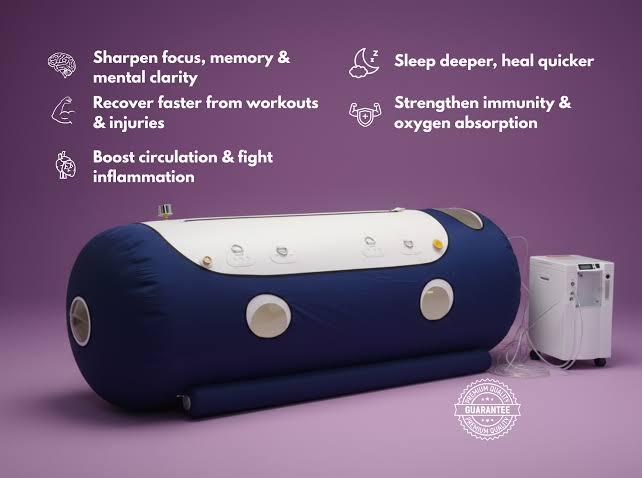
Understanding the cost of hyperbaric chamber equipment is an important step for anyone researching portable or home-based hyperbaric systems. Prices can vary significantly depending on chamber construction, pressure capabilities, dimensions, supporting equipment, and manufacturer services. Comparing these factors can help buyers understand why different models have different price points and how to evaluate the overall value of a potential purchase.
Warrior Willpower provides a starting point for exploring hyperbaric chamber options and learning about the features that influence purchasing decisions. Before selecting a model, buyers should review product specifications, safety documentation, warranty coverage, and maintenance requirements. Looking beyond the initial price can help you estimate the total cost of ownership and make a more informed decision.
Understanding the Cost of a Hyperbaric Chamber
The cost of a hyperbaric chamber depends on several factors, including its design, intended application, operating pressure, and included equipment. Portable soft-shell models generally have a different price structure from rigid hard-shell systems. Additional features, such as specialized controls, cooling equipment, and monitoring components, may also affect the final amount.
It is important to compare complete product packages rather than relying only on advertised starting prices. Some listings cover the chamber itself, while others include an air compressor, oxygen delivery equipment, connecting hoses, gauges, and safety accessories. Reviewing the itemized specifications helps you understand what you are paying for and whether additional purchases may be necessary.
Average Price Ranges for Hyperbaric Chambers
The price of a hyperbaric chamber can range from several thousand dollars to tens of thousands of dollars or more. As a broad budgeting guide, some personal soft-shell systems may fall within approximately $4,000 to $20,000, while certain hard-shell systems may cost around $20,000 to $60,000 or more. These are general estimates rather than verified current quotes, and actual prices vary by model, seller, configuration, and market.
Professional or clinical systems can have substantially different costs depending on their specifications, installation requirements, monitoring equipment, and intended applications. Buyers should request current written quotations from manufacturers or authorized sellers before setting a final budget. It is also wise to confirm shipping, installation, warranty, and ongoing service costs because these expenses may not be included in the listed price.
Soft Shell Hyperbaric Chamber Pricing
Soft-shell chambers use flexible materials and are often marketed for portable or personal environments. Their prices depend on dimensions, material construction, pressure rating, included components, and manufacturer support. Some models are designed for lying down, while others provide an upright seating configuration, creating differences in size and overall design.
When comparing a soft-shell chamber, examine the pressure specifications, entry system, internal dimensions, and included accessories. Check whether the package contains all the equipment required for its documented operating configuration. A lower initial price may not represent better value if essential components, training, or technical support must be purchased separately.
Hard Shell Hyperbaric Chamber Pricing
Hard-shell chambers feature rigid construction and may be designed for different pressure requirements or specialized applications. Their pricing can reflect the materials used, chamber capacity, control systems, installation needs, and additional safety equipment. Some configurations require more extensive preparation and servicing than portable personal systems.
Buyers should determine the intended application before comparing hard-shell products with flexible chambers. Medical treatment requires equipment appropriate for the prescribed clinical purpose, along with professional oversight where indicated. Ask manufacturers for detailed specifications and information about installation, servicing, training, and regulatory authorization before making a purchasing decision.
How Pressure Ratings Affect Chamber Cost
Pressure ratings are another factor that buyers may encounter when reviewing product prices. Hyperbaric chambers often use ATA, meaning atmospheres absolute, to describe their pressure environment. Some products advertise ratings such as 1.3 ATA or 1.5 ATA, but the exact capabilities and approved operating limits depend on the individual model.
A higher advertised pressure rating does not automatically make a chamber more effective or more suitable. Buyers should examine the manufacturer's technical documentation and distinguish between the chamber's rated capacity and the settings appropriate for its intended application. For medical use, a qualified healthcare professional should determine whether hyperbaric treatment is suitable and what protocol is required.
Accessories That Influence the Final Price
Supporting equipment can make a substantial difference to the total purchase cost. Depending on the model, a package may include an air compressor, oxygen concentrator or another oxygen delivery system, pressure gauges, connecting hoses, cooling equipment, a mattress, and safety components. The specific configuration determines which items are included and which are optional.
Before ordering, request a written list of the package contents. Confirm whether the advertised price includes delivery, setup, necessary accessories, and any required training. Ask about compatibility between the chamber and its supporting equipment, and avoid assuming that components from different systems can be combined safely. A detailed quotation makes it easier to compare offers on an equivalent basis.
Portable Hyperbaric Chamber Costs for Home Use
Portable chambers attract interest from buyers who want equipment that can fit into a home environment. However, portability does not necessarily mean that a system is small, inexpensive, or simple to operate. The chamber and its supporting components may require dedicated floor space, electrical connections, ventilation, and appropriate storage arrangements.
When budgeting for home use, account for more than the initial purchase price. Consider the available installation area, shipping expenses, maintenance needs, electrical requirements, and any support services recommended by the manufacturer. Reviewing these practical details before ordering can help you determine whether a particular chamber is suitable for your space and budget.
Maintenance and Long-Term Ownership Expenses
The total cost of a hyperbaric chamber includes expenses that may arise after the initial purchase. Depending on the equipment, owners may need to budget for routine inspections, cleaning supplies, replacement components, technical servicing, and repairs. The frequency and cost of these activities depend on the model and the manufacturer's maintenance instructions.
Warranty coverage can also influence long-term value. Check which parts are covered, how long the warranty lasts, and whether labor, shipping, or service visits are included. Ask how replacement parts are obtained and whether technical assistance is available. Understanding these responsibilities in advance can help you estimate the ongoing cost of ownership more accurately.
Comparing Hyperbaric Chamber Prices and Value
Comparing prices is most useful when the products have similar specifications and package contents. Review construction, pressure rating, internal dimensions, included accessories, warranty terms, and manufacturer support side by side. A cheaper model may offer fewer features or a different intended application, so the initial price should not be the only deciding factor.
It is also important to evaluate the seller's documentation and customer service. Look for clear operating instructions, transparent warranty conditions, and accessible technical support. Be cautious of unsupported health claims or guarantees of treatment results. A product's advertised price and customer testimonials do not establish its medical effectiveness or suitability for a particular person.
Questions to Ask Before Buying a Hyperbaric Chamber
Before purchasing, ask the seller for the exact model number, rated pressure, intended applications, complete package contents, and operating requirements. Request the user manual and relevant safety documentation, and verify whether the device has the regulatory authorization required for your intended use. These details help establish whether the product meets your practical and safety requirements.
You should also clarify delivery costs, return policies, warranty coverage, maintenance arrangements, and the availability of replacement parts. Ask whether installation or operator training is required and whether these services cost extra. Obtaining clear answers before paying can help prevent unexpected expenses and provide a better understanding of the total purchase commitment.
Exploring Hyperbaric Chamber Options With Warrior Willpower
Warrior Willpower provides a starting point for researching hyperbaric chamber equipment and understanding the features that affect purchasing decisions. When reviewing available options, compare chamber construction, pressure specifications, dimensions, supporting accessories, and documented safety requirements. This approach helps you evaluate products according to their actual features rather than relying solely on advertised prices.
Take time to establish a realistic budget that includes shipping, setup, maintenance, and potential replacement components. Review the manufacturer's documentation carefully and ask questions about anything that remains unclear. If you are considering a chamber for a medical condition, consult a qualified healthcare professional before purchasing equipment and confirm that the selected device is appropriate for its intended application.
Conclusion
The cost of a hyperbaric chamber depends on its construction, pressure rating, size, supporting equipment, intended application, and ongoing service requirements. Portable soft-shell systems may have a different price structure from rigid hard-shell equipment, while specialized clinical systems can involve additional installation and maintenance expenses.
Warrior Willpower can help you begin researching available chamber options and identifying the features that deserve comparison. Before making a purchase, obtain current quotations, review package contents, verify safety documentation, and consider long-term ownership costs. A careful evaluation of price, specifications, and support can help you make a more informed purchasing decision while keeping safety and realistic expectations at the forefront.

 English
 Arabic
 French
 Portuguese
 Deutsch
 Turkish
 Dutch
 Italiano
 Russian
 Romaian
 Portuguese (Brazil)
 Greek