Stainless steel tubing is widely used in industrial, commercial, and residential applications because of its strength, corrosion resistance, and long service life. It is designed to transport liquids, gases, and other materials while providing reliable performance in different working environments. From manufacturing plants and food processing facilities to construction projects and medical equipment, stainless steel tubing plays an important role in modern industries.
Its ability to withstand moisture, temperature changes, and demanding operating conditions makes it a practical choice for many applications. Stainless steel tubing is available in different sizes, wall thicknesses, grades, and shapes to meet specific project requirements. Choosing the right tubing helps improve system performance, maintain safety, and reduce maintenance costs over time.
What Is Stainless Steel Tubing
Stainless steel tubing is a hollow cylindrical product manufactured from stainless steel alloys containing chromium, which helps protect the material from corrosion. Some grades also contain nickel, molybdenum, and other elements that improve specific properties, such as strength, resistance to chemicals, and performance in challenging environments.
Stainless steel tubing can be manufactured through seamless or welded processes. Seamless tubing is produced without a welded seam, while welded tubing is made by forming stainless steel into a tubular shape and joining its edges. Both types are used across different industries, depending on pressure requirements, dimensions, material specifications, and operating conditions.
The smooth surface and durable construction of stainless steel tubing make it suitable for applications where cleanliness, reliability, and consistent performance are essential.
Common Types of Stainless Steel Tubing
Different types of stainless steel tubing are available to meet the needs of various industries. Understanding their characteristics helps businesses select suitable materials for their projects.
Seamless Stainless Steel Tubing
Seamless stainless steel tubing is manufactured without a longitudinal weld. It is commonly used in applications that require consistent material strength and dependable performance under pressure. Industries such as oil and gas, chemical processing, and power generation often use seamless tubing in demanding systems.
Welded Stainless Steel Tubing
Welded stainless steel tubing is produced by forming a flat sheet or strip into a tube and welding the edges together. It is often used in structural applications, equipment manufacturing, architectural projects, and fluid transportation systems. Welded tubing is available in various dimensions and finishes.
Instrumentation Tubing
Instrumentation tubing is designed for applications involving measurement, control, and monitoring systems. It is commonly used in pressure gauges, analytical instruments, and industrial control equipment. Proper material selection and dimensional accuracy are important for maintaining reliable connections and minimizing leakage.
Sanitary Stainless Steel Tubing
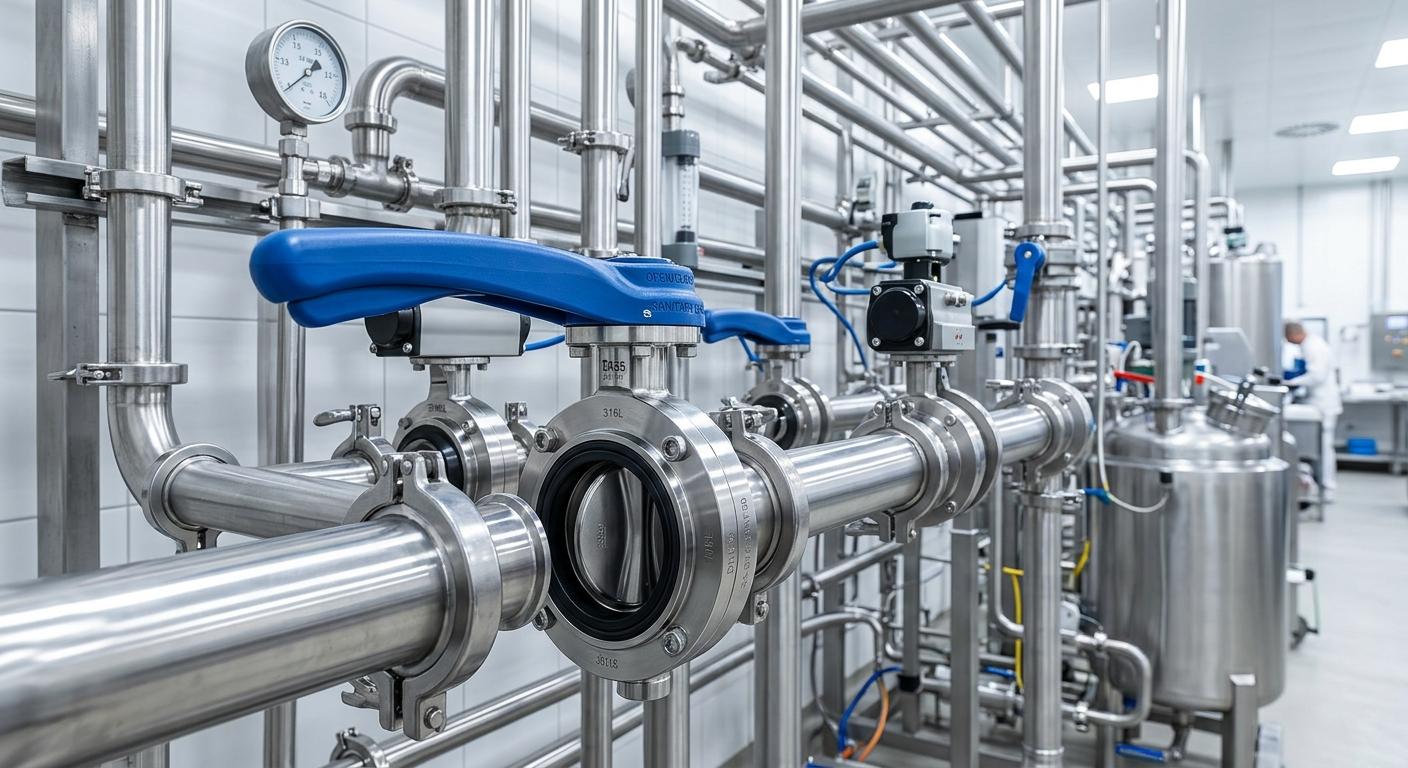
Sanitary stainless steel tubing is designed for applications that require high levels of cleanliness and hygiene. It is commonly used in food processing, beverage production, pharmaceutical manufacturing, and biotechnology facilities. Smooth internal surfaces help support cleaning and reduce the buildup of unwanted residues.
Key Benefits of Stainless Steel Tubing
Stainless steel tubing offers several advantages that make it a preferred material for many industrial applications.
Corrosion Resistance
One of the main benefits of stainless steel tubing is its resistance to corrosion. Chromium in the alloy forms a protective oxide layer on the surface, helping protect the material from rust and environmental damage. Certain grades provide additional resistance to specific chemicals and corrosive conditions.
Strength and Durability
Stainless steel tubing provides excellent mechanical strength and can withstand demanding operating conditions. Its durable construction makes it suitable for applications involving pressure, vibration, and temperature fluctuations. When properly selected and maintained, it can deliver reliable performance for many years.
Temperature Resistance
Many stainless steel grades perform well in high- and low-temperature environments. This property makes stainless steel tubing useful in heating systems, industrial processing equipment, and applications where temperature changes are common. The suitable grade depends on the operating temperature and surrounding conditions.
Low Maintenance Requirements
Stainless steel tubing generally requires less maintenance than materials that are more vulnerable to corrosion. Its durable surface and resistance to environmental damage can help reduce the need for frequent repairs and replacements. Regular inspection and proper cleaning still remain important for long-term performance.
Applications of Stainless Steel Tubing
Stainless steel tubing is used across a wide range of industries because of its versatility and dependable material properties.
Oil and Gas Industry
In the oil and gas sector, stainless steel tubing is used in instrumentation systems, fluid handling equipment, and specialized industrial applications. Its corrosion resistance makes it useful in environments where exposure to moisture, chemicals, and changing temperatures is common.
Food and Beverage Processing
Food and beverage manufacturers use stainless steel tubing in processing lines, storage systems, and equipment designed to handle liquids and other food products. Sanitary tubing with suitable surface finishes helps support hygiene requirements and efficient cleaning procedures.
Pharmaceutical and Medical Industries
Stainless steel tubing is used in pharmaceutical production systems, laboratory equipment, and certain medical devices. Its durability, cleanability, and availability in specialized grades make it suitable for applications where material quality and cleanliness are important.
Construction and Manufacturing
In construction and manufacturing, stainless steel tubing is used in railings, frames, machinery, furniture, and structural components. Its appearance, strength, and corrosion resistance make it suitable for both functional and decorative purposes.
Automotive and Aerospace Applications
Stainless steel tubing is also used in selected automotive and aerospace components, including fluid systems, exhaust components, and specialized assemblies. The material grade and tubing dimensions must meet the mechanical and environmental requirements of each application.
How to Choose the Right Stainless Steel Tubing
Selecting the right stainless steel tubing requires careful consideration of several factors. The first step is to identify the intended application and the conditions in which the tubing will operate.
Material grade is an important consideration because different stainless steel alloys offer different levels of corrosion resistance, strength, and temperature performance. For example, 304 stainless steel is commonly used in general-purpose applications, while 316 stainless steel offers improved resistance to certain corrosive environments due to its molybdenum content.
Buyers should also consider the outside diameter, wall thickness, length, surface finish, and manufacturing method. Pressure requirements, chemical exposure, and industry standards can influence the final selection.
Working with a reliable supplier helps ensure that stainless steel tubing meets the required specifications and quality standards. Reviewing material certifications and product documentation can also support informed purchasing decisions.
Conclusion
Stainless steel tubing is a durable and versatile material used in a wide range of industrial and commercial applications. Its corrosion resistance, strength, temperature performance, and low maintenance requirements make it suitable for demanding environments.
By understanding the available types, benefits, and applications, businesses can select stainless steel tubing that meets their operational needs. Choosing the correct grade, dimensions, and manufacturing method helps ensure reliable performance, long-term durability, and efficient system operation.

 LMS
LMS
 Reels Series

 English
 Arabic
 French
 Spanish
 Portuguese
 Deutsch
 Turkish
 Dutch
Dutch
 Russian
 Romaian
 Portuguese (Brazil)
 Greek
Greek