
 LMS
LMS
 Reels Series
The Car Nobody Wants to Buy: What Happens When Your Vehicle Is Too Old for a Private Sale but Too Good for Scrap?
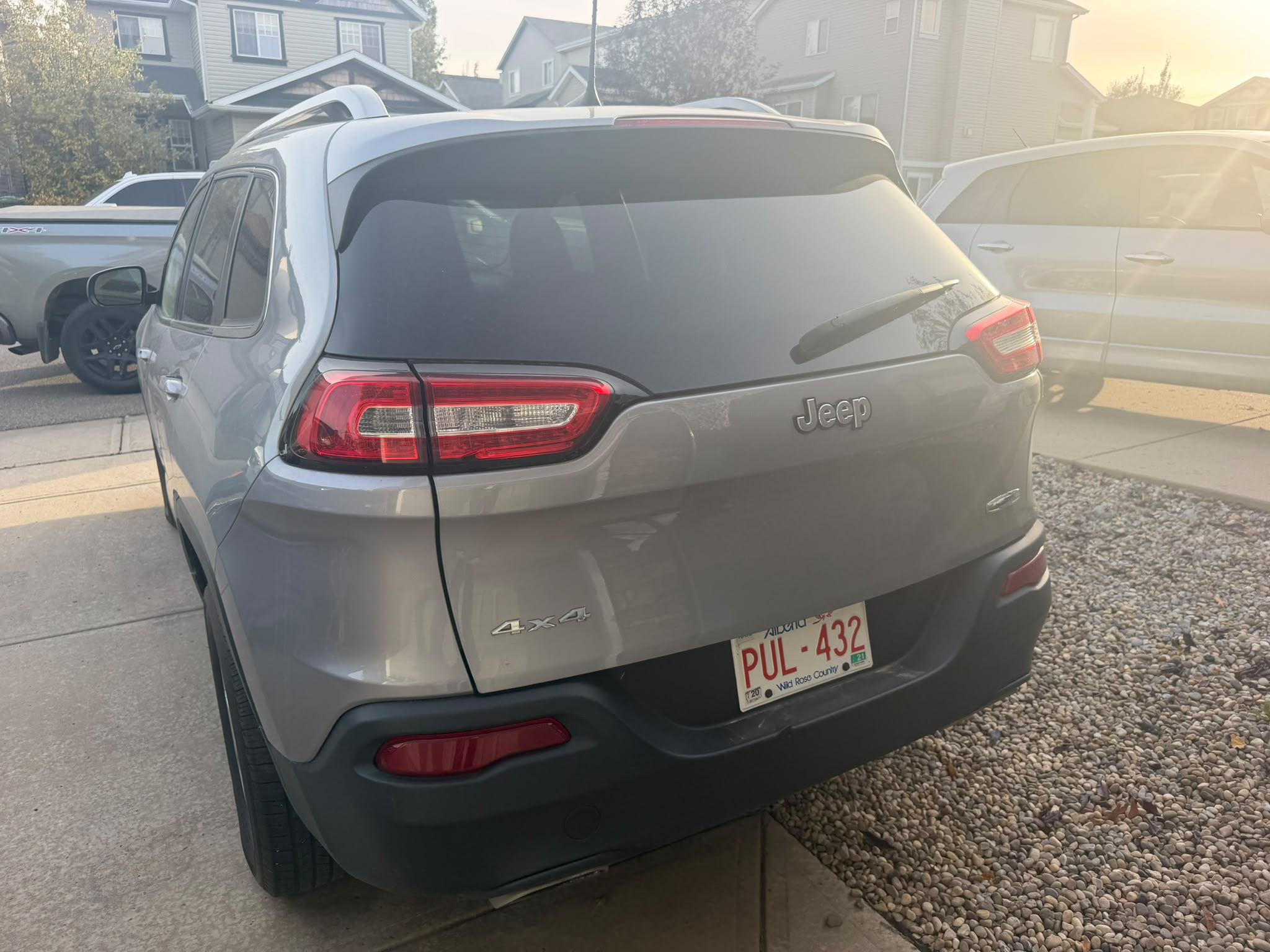
There is a strange stage in a vehicle's life that doesn't get much attention.
The car still runs.
It may have a decent engine, usable interior, good tires, and plenty of life left in some of its components. But when you try to sell it privately, something becomes obvious:
Nobody seems interested.
You list it. A few people ask questions. Someone offers far less than expected. Others disappear after seeing the mileage or condition. Eventually, you start wondering whether the car is actually worth anything.
But here's the important distinction:
A vehicle can be difficult to sell without being worthless.
Older vehicles often fall into a middle category where they don't appeal to typical private buyers but may still have value through parts, materials, mechanical components, or their overall condition.
Understanding this “in-between” stage can help you avoid putting unnecessary money into a vehicle simply because you haven't found the right exit strategy.
Why Some Older Cars Become Difficult to Sell
Private buyers usually aren't purchasing a vehicle based on one factor.
They are considering the entire ownership experience.
An older vehicle may have:
- High mileage
- Cosmetic damage
- Previous accidents
- Rust
- Mechanical issues
- Warning lights
- Outdated features
- Poor fuel economy
- Expensive upcoming maintenance
- An uncertain repair history
None of these automatically makes a vehicle worthless.
But several problems together can make the vehicle unattractive to someone looking for dependable daily transportation.
Imagine two vehicles of the same model.
One has 120,000 kilometres, excellent maintenance records, clean bodywork, and no major repairs needed.
The other has 280,000 kilometres, worn suspension, body damage, and an engine that occasionally consumes oil.
They're technically the same model.
They're not the same proposition for a buyer.
The Private-Sale Problem
Selling privately works best when a buyer can look at your vehicle and imagine years of relatively predictable ownership.
Older vehicles can make that difficult.
A buyer may immediately start calculating future expenses:
“How much will I have to spend after I buy this?”
That question can be more important than the advertised price.
A $4,000 car that needs $3,000 of immediate work may not feel like a $4,000 opportunity.
This is why lowering the asking price sometimes doesn't solve the problem.
The issue may not be the price.
It may be uncertainty.
When “Cheap” Doesn't Mean “Easy to Sell”
You might think an older vehicle should sell quickly because it's inexpensive.
But low price doesn't eliminate risk.
A buyer may still worry about:
- Passing an inspection
- Insurance requirements
- Safety-related repairs
- Reliability
- Replacement parts
- Towing
- Registration
- Hidden mechanical problems
- Future breakdowns
This creates an interesting situation.
Your vehicle may be inexpensive enough for someone to afford, but not attractive enough for them to want the responsibility.
That's when traditional private selling can become frustrating.
Your Car May Have More Than One Type of Value
This is where many owners make a mistake.
They judge the vehicle only by asking:
“What would someone pay to drive this car?”
But an older vehicle can have several different forms of value.
Road-Use Value
This is the value a buyer sees if they want to use the vehicle as transportation.
Parts Value
Certain components may still be useful even when the complete vehicle is no longer desirable as a daily driver.
Depending on the vehicle, this can include engine components, transmission parts, electronics, wheels, interior pieces, body panels, and other reusable components.
Material Value
Metals and other recyclable materials can also contribute to the vehicle's overall value.
Convenience Value
This is often overlooked.
A buyer or vehicle removal service may value the fact that the vehicle can be collected, transported, processed, and handled without you having to spend weeks advertising it.
The important point is that vehicle value doesn't always come from the same place.
The “Too Good for Scrap” Problem
Some owners assume there are only two possibilities:
Sell it privately or scrap it.
There is actually a much wider range.
A vehicle can be:
- Too old for an average private buyer
- Too expensive to repair for another driver
- Still useful for parts
- Still valuable for recyclable materials
- Worth selling as-is
- Potentially attractive to a specialized vehicle buyer
This is the space where an as-is vehicle sale can make sense.
Instead of trying to turn an aging vehicle back into a perfect used car, you can evaluate what the vehicle is worth in its current condition.
Should You Repair It Before Selling?
This is one of the most important questions.
Suppose your vehicle could sell for $3,500 as-is.
You discover that it needs $2,500 in repairs.
You might think:
“If I fix it, I'll get more money.”
Maybe.
But the relevant calculation is not simply:
Repair cost → higher selling price
It's:
Repair cost → additional selling value
If spending $2,500 only increases your realistic selling price by $1,200, you've created more work without recovering the full investment.
And older vehicles often have additional problems waiting behind the first repair.
Before spending money, ask a mechanic:
“If I fix this issue, what other significant repairs should I expect over the next year?”
That question can change the entire decision.
What If Nobody Wants to Test-Drive It?
Don't automatically assume the vehicle has no value.
Instead, change the selling strategy.
If a vehicle is difficult to sell as a normal used car, consider marketing it honestly as an as-is vehicle.
Be transparent about:
- Mileage
- Mechanical condition
- Warning lights
- Damage
- Rust
- Missing components
- Tire condition
- Whether it runs
- Whether it can be driven
Honesty can reduce wasted conversations.
You don't want ten people asking whether the car is “perfect” when you already know it needs work.
You want the right type of buyer to understand what they're purchasing.
When a Cash Sale Becomes Worth Considering
If you've already tried private selling and the response has been poor, compare the vehicle with an as-is cash option.
For people searching for cash for cars Calgary, the important thing isn't simply finding someone willing to take the vehicle.
It's understanding what you're actually receiving in return for giving up the vehicle.
Consider:
- The cash offer
- Whether pickup is included
- Whether the vehicle needs to be running
- Your repair costs
- Advertising costs
- Your time
- Negotiation
- Towing or transportation
- How quickly you want the vehicle gone
A slightly lower headline price may sometimes result in a better overall outcome if it eliminates significant expenses and effort.
The Five-Minute “Keep or Sell” Test
Before making a decision, answer these five questions.
1. Would I buy this exact vehicle today?
Imagine you don't own it.
Would you spend your own money to purchase it in its current condition?
2. What does it need immediately?
Write down every known repair.
3. What is likely to fail next?
Ask a qualified mechanic for their opinion.
4. What is the realistic as-is value?
Don't use an optimistic online listing as your answer.
5. What will keeping it cost me for another year?
Include repairs, maintenance, insurance, fuel, parking, and unexpected expenses where relevant.
If the answers make ownership increasingly difficult to justify, selling may be worth serious consideration.
Don't Confuse Emotional Value With Market Value
This is especially important with older vehicles.
You may have owned the car for ten years.
It may have taken you through jobs, family moves, road trips, and major life events.
That history has real emotional importance.
But it doesn't necessarily increase the vehicle's market value.
You can appreciate the memories while still making a practical financial decision.
Sometimes letting go of an old vehicle isn't about admitting that it was a bad car.
It's simply recognizing that its role in your life has changed.
What Should You Do With the “In-Between” Car?
If your vehicle is too old, damaged, high-mileage, or expensive to maintain for a typical private buyer, don't immediately assume it's worthless.
First, determine what you have.
Check its mechanical condition.
Identify valuable components.
Estimate immediate repair costs.
Compare private-sale potential with an as-is offer.
Then calculate the net outcome, not just the biggest advertised number.
That approach can reveal that your vehicle still has useful value—even if the traditional used-car market isn't interested.
Final Thoughts
The hardest vehicle to sell isn't always the worst vehicle.
Sometimes it's simply a vehicle caught between categories.
It's too old for buyers looking for a dependable daily driver, too expensive to repair for its current owner, but still valuable enough to have another possible use.
That's why the right question isn't:
“Why doesn't anybody want my car?”
A better question is:
“Who would actually value this vehicle in its current condition?”
Once you understand that, you can stop spending money trying to make an aging vehicle something it no longer needs to be.
Whether you choose a private sale, repair it, keep it for parts, trade it, or explore cash for cars Calgary, the smartest decision starts with understanding the vehicle's real current value—not the value you wish it still had.
 Turkish
 English
 Arabic
 French
 Spanish
 Portuguese
 Deutsch
 Dutch
Dutch
 Italiano
 Russian
 Romaian
 Portuguese (Brazil)
 Greek
Greek