
 LMS
LMS
 Reels Series
Complete Guide to Road Tolls and Driving Charges in the UAE (2026)
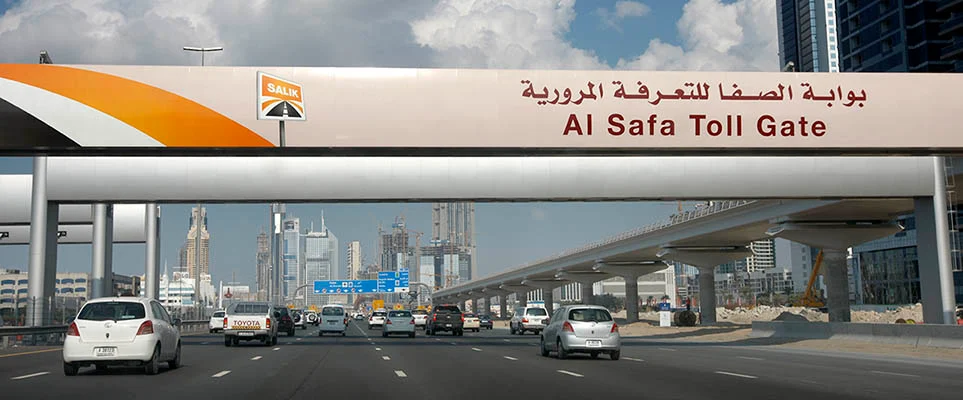
Road tolls, parking fees, fuel costs, and traffic fines can all affect the cost of driving in the United Arab Emirates (UAE). Drivers who understand these charges can plan their journeys, avoid unnecessary expenses, and choose the right routes. This guide explains how Dubai’s Salik system and Abu Dhabi’s Darb system work, when tolls apply, what other driving costs to expect, and how residents, tourists, and rental-car drivers can manage their budgets.
1. Understanding Road Tolls in the UAE
The UAE uses electronic road toll systems to manage traffic and help regulate the flow of vehicles on busy roads. Dubai operates Salik, while Abu Dhabi uses Darb. These systems identify vehicles electronically as they pass through designated toll gates.
Drivers do not normally stop at toll gates to pay. Instead, the system records the crossing and applies the relevant charge to the vehicle or its registered toll account.
Road toll charges depend on several factors:
-
Emirate: Dubai and Abu Dhabi operate separate toll systems.
-
Time of travel: Dubai applies different tariffs during peak and off-peak periods.
-
Route: A toll applies only when a vehicle crosses an operating toll gate.
-
Vehicle registration: Registration and payment requirements differ according to the toll system and vehicle circumstances.
-
Rental agreement: Rental companies may pass toll charges on to customers and apply separate administration fees under their terms.
Before travelling, drivers should check the official toll schedules because tariffs, operating hours, and special-event arrangements can change.
2. Dubai Salik Toll Charges
Salik is Dubai’s electronic toll collection system. It operates on designated roads and bridges, including major routes used by commuters travelling between residential areas, business districts, and tourist attractions.
The system reads a vehicle’s registered number plate or Salik tag as it passes through an operating toll gate. The applicable tariff is then recorded automatically.
Current Salik toll rates
Under Dubai’s standard variable pricing structure introduced on 31 January 2025, the toll depends on the day and time of travel.
|
Travel period |
Standard toll per crossing |
|
Weekdays, Monday to Saturday, during peak hours (6 am–10 am and 4 pm–8 pm) |
AED 6 |
|
Weekdays, Monday to Saturday, outside peak hours, from 10 am–4 pm and 8 pm–1 am |
AED 4 |
|
Sundays outside designated public holidays and special events |
AED 4 |
|
Daily from 1 am–6 am |
AED 0 |
These are the standard published tariffs, not a guarantee that special-event or temporary schedules will never apply. Dubai may change toll timings or collection arrangements for public holidays and other official occasions. Check the official Salik website before travelling if your journey depends on a particular toll rate.
How Salik affects your travel budget
A single toll crossing may cost only a few dirhams, but repeated crossings can increase your total driving expenses.
For example, a driver who crosses two operating Salik gates during peak hours would generally pay AED 12 before any applicable VAT. Four such crossings would total AED 24 before VAT.
From 1 June 2026, a 5% VAT applies to toll transactions under the UAE Government’s published guidance. At that rate, an AED 6 toll becomes AED 6.30, while an AED 4 toll becomes AED 4.20.
When estimating a journey, count each chargeable crossing rather than simply counting the number of roads used. A return trip may pass through the same toll gate twice, and some routes include multiple gates in one direction.
How to avoid unnecessary Salik charges
You cannot avoid a toll if your chosen route requires you to pass through an operating gate, but you can compare alternative routes before setting off.
-
Use a navigation app to identify toll roads and possible alternatives.
-
Check whether avoiding a toll adds substantial travel time or fuel consumption.
-
Plan repeated journeys around the standard toll schedule when your arrival time is flexible.
-
Check official announcements before travelling on public holidays or during major events.
A toll-free route is not always the cheapest option overall. A longer journey may consume more fuel and increase driving time, so compare the complete trip cost before changing your route.
3. Abu Dhabi Darb Toll Charges
Darb is Abu Dhabi’s electronic road toll system. It charges vehicles that pass through designated toll gates during specified operating hours. The system uses vehicle registration details to identify crossings, so drivers do not need to stop at a gate to pay.
Darb toll rates and operating hours
Under the standard schedule, Darb charges AED 4 for each chargeable crossing during peak hours. The revised schedule took effect on 1 September 2025.
|
Detail |
Standard rule |
|
Morning peak |
7 am–9 am |
|
Evening peak |
3 pm–7 pm |
|
Standard toll |
AED 4 per crossing |
|
Days when tolls generally apply |
Monday to Saturday |
|
Sundays and official public holidays |
No standard toll charge |
|
Daily and monthly caps for private vehicles |
Removed from 1 September 2025 |
These timings and exemptions reflect the published standard schedule. Drivers should verify the latest information through Abu Dhabi Mobility’s official Darb portal, particularly when travelling on public holidays or using newly introduced toll gates.
Where does Darb operate?
Darb originally operated at the four major bridges connecting Abu Dhabi Island with the mainland:
-
Sheikh Zayed Bridge
-
Sheikh Khalifa bin Zayed Bridge
-
Al Maqtaa Bridge
-
Mussafah Bridge
Two additional gates, Al Qurm and Ghantoot, began operating on 4 May 2026. Drivers should therefore check their intended route rather than relying only on older lists of toll locations.
Darb registration and payment
Vehicle owners should register and activate their accounts through the official Darb platform or its mobile application. The system identifies vehicles through their number plates, so a physical windshield tag is not required.
Rental-car drivers should ask the rental company how it handles Darb crossings. The company may manage toll payments centrally and charge the renter for recorded crossings under the rental agreement.
Darb fines and exemptions
Drivers should not assume that an unregistered vehicle can use Darb indefinitely without penalties. The published rules provide a grace period for registration, followed by escalating fines for unregistered vehicles. Separate penalties can apply when a vehicle has insufficient funds after the applicable grace period.
Eligible categories, including certain senior citizens and People of Determination, may qualify for exemptions subject to the official requirements. Exemptions are not universal, and vehicle registration in another emirate can affect the application process.
Check Darb’s official fines and exemptions information before relying on an exemption or grace period.
4. Salik vs Darb: What Is the Difference?
Both systems collect tolls electronically, but their operating rules and payment arrangements differ.
|
Feature |
Dubai Salik |
Abu Dhabi Darb |
|
Main purpose |
Electronic toll collection in Dubai |
Electronic toll collection in Abu Dhabi |
|
Standard charge |
AED 4 or AED 6, depending on timing |
AED 4 during chargeable periods |
|
Peak-hour pricing |
Yes |
Yes, through designated peak-hour periods |
|
Standard overnight arrangement |
No toll from 1 am–6 am |
Depends on the published operating schedule; standard peak-hour tolls apply during specified periods |
|
Vehicle identification |
Electronic toll system and registered vehicle details |
Number-plate identification |
|
Registration and payment |
Salik account or applicable rental-company arrangement |
Darb account or applicable rental-company arrangement |
|
Important consideration |
Special events can affect the standard schedule |
New gates and regulatory changes can affect routes and charges |
The main practical difference is that Dubai uses variable toll pricing throughout the day, while Darb generally charges during its designated morning and evening peak periods. Drivers travelling between the two emirates should budget for both systems if their routes pass through chargeable gates.
5. Other Driving Charges in the UAE
Road tolls are only one part of the cost of driving. Parking, fuel, traffic fines, vehicle access requirements, and rental-related fees can also affect the final amount.
Parking fees
Dubai and Abu Dhabi operate paid public parking systems in many commercial, residential, and high-demand areas. Rates can vary according to the parking zone, location, duration, and time of day.
Drivers should check the parking signs or official payment application before leaving a vehicle. Some locations have different tariffs for premium spaces, while certain periods or designated areas may offer free parking under local rules.
Common parking expenses include:
-
Hourly public parking charges.
-
Longer-stay parking at airports and transport hubs.
-
Private parking at hotels, shopping centres, and residential buildings.
-
Fines for overstaying, parking in restricted spaces, or failing to pay.
Do not assume that a shopping mall, hotel, or residential area provides free parking simply because the car park has no entrance barrier.
Fuel costs
Fuel is another major driving expense, especially for long journeys between Dubai, Abu Dhabi, Sharjah, and other emirates. The amount you spend depends on the vehicle’s fuel economy, the distance travelled, traffic conditions, and the current pump price.
The UAE reviews retail fuel prices regularly. Check the current monthly rates before preparing a travel budget rather than relying on an older price.
A simple fuel-cost calculation is:
Fuel cost = Distance travelled ÷ Fuel economy × Price per litre
For example, a car that consumes 8 litres per 100 km will use approximately 24 litres over a 300 km journey. Multiply that amount by the current petrol price to estimate the fuel expense.
Traffic fines
Drivers can receive fines for speeding, running a red light, using a mobile phone while driving, tailgating, unsafe lane changes, and other traffic violations.
Fine amounts depend on the offence and applicable regulations. Some violations may also result in black points, vehicle impoundment, or other penalties.
To reduce the risk of unexpected costs:
-
Follow posted speed limits, including temporary limits.
-
Maintain a safe distance from other vehicles.
-
Use a phone only through legally permitted hands-free arrangements.
-
Follow lane markings and traffic signals.
-
Check outstanding fines through official government channels.
Drivers can consult the UAE Government’s road and transportation guidance for official information about road regulations and related services.
Other possible charges
Depending on the journey and vehicle, drivers may also encounter:
-
Airport parking and access charges.
-
Paid parking at private developments.
-
Vehicle recovery or roadside assistance costs where not covered.
-
Fines for restricted-road or parking violations.
-
Additional charges under a rental agreement, including toll administration fees.
Some roads and destinations may also have access restrictions or special operating conditions. Check the rules for the specific location before travelling rather than assuming every road is open to every vehicle.
6. Road Tolls When Renting a Car in the UAE
Rental cars can use applicable toll roads, but the way you pay differs from driving your own vehicle. Rental companies commonly manage toll accounts and identify chargeable crossings through the vehicle’s registration or electronic toll equipment.
The rental agreement determines how those costs reach the customer. A company may add recorded tolls to the final bill or deduct them from a payment method under its terms. Some companies also apply an administration fee, so the amount charged may exceed the toll tariff alone.
Before collecting a vehicle, ask the rental provider:
-
Are Salik and Darb charges billed at the official rates?
-
Does the company add an administration or processing fee?
-
How soon after a trip will toll charges appear?
-
Can the company provide a breakdown of individual crossings?
-
Are toll charges included in any advertised rental package?
For travellers who need a vehicle for a short visit, an economy car for daily rental may suit ordinary city journeys. Drivers planning a longer stay can compare weekly rental options to understand the total cost of the vehicle before adding tolls, fuel, and parking.
For example, a visitor who travels between Dubai Marina, Downtown Dubai, and Dubai International Airport may incur several Salik charges depending on the chosen route. A driver who stays in one area and avoids toll gates may spend less. The actual difference depends on the itinerary, not simply the rental price.
Is a larger or luxury car more expensive to drive?
A vehicle’s rental rate does not determine its toll charge. Salik and Darb generally apply the relevant tariff to the chargeable crossing rather than charging a higher standard toll simply because the vehicle is a luxury model.
However, vehicle choice can affect other expenses. A larger or less fuel-efficient vehicle may consume more petrol, while parking availability and the space required can affect convenience at busy destinations.
If you are travelling with several passengers or carrying luggage, an SUV rental for a weekly trip may offer useful space. If your priority is keeping the overall travel budget manageable, compare fuel economy, rental duration, insurance terms, and the likely route before choosing a vehicle.
7. How to Calculate the Total Cost of Driving in the UAE
A realistic driving budget should include more than the daily rental rate or the amount shown by a navigation app. Estimate the full journey before you leave, especially if you plan to cross several toll gates or travel between emirates.
Use this checklist to calculate your expected expenses:
|
Expense |
How to estimate it |
|
Vehicle rental |
Daily, weekly, or monthly rate multiplied by the rental period |
|
Salik |
Number of chargeable crossings multiplied by the applicable tariff |
|
Darb |
Number of chargeable crossings multiplied by AED 4 under the standard schedule |
|
VAT on tolls |
Apply the relevant VAT treatment to toll transactions |
|
Fuel |
Expected fuel consumption multiplied by the current price per litre |
|
Parking |
Expected hourly or daily parking charges |
|
Additional rental fees |
Check the agreement for toll administration, delivery, or other applicable charges |
|
Traffic fines |
Avoidable expenses that depend on violations and applicable rules |
Example: Estimating a Dubai driving day
Suppose you take a rental car for a day and pass through four Salik gates during weekday peak hours. At the standard AED 6 tariff, the toll subtotal would be AED 24. If the applicable 5% VAT is added, the toll total becomes AED 25.20.
If you also spend AED 30 on parking and AED 50 on fuel, those three expenses total AED 105. This figure excludes the rental price, any rental-company administration fees, and other charges.
The example illustrates why drivers should estimate toll crossings individually. Your actual cost will depend on the gates you cross, the time of travel, the applicable tariff, and the rental provider’s billing policy.
8. Practical Tips for Reducing Driving Costs
Drivers can manage their expenses without making every journey inconvenient. A few simple habits can help prevent avoidable charges.
Plan routes before departure. Compare toll and toll-free routes, especially when travelling to the airport, business districts, or attractions on the opposite side of Dubai.
Combine nearby destinations. Visiting several places in the same area can reduce unnecessary driving, fuel consumption, and parking changes.
Check parking conditions. Confirm the zone, payment method, permitted duration, and applicable hours before leaving your vehicle.
Choose a suitable vehicle. A compact economy car may work well for one or two people travelling around the city. A larger vehicle may make more sense for families, luggage, or group trips.
Understand the rental agreement. Ask about toll billing, insurance, fuel-return rules, mileage limits, and administrative charges before signing.
Keep payment and vehicle details up to date. If you own the vehicle, check the requirements of the relevant toll system. If you rent, confirm how the company manages toll payments.
Check official updates. Temporary arrangements, new toll gates, public holidays, and special events can affect your expected expenses.
For visitors who need a vehicle throughout their stay, comparing rental periods and vehicle categories through a provider such as GreatDubai’s car rental service can help establish the base cost before budgeting for road tolls and other driving expenses. Compare the complete rental terms rather than selecting a vehicle on its advertised daily rate alone.
9. Frequently Asked Questions About UAE Road Tolls
Are road tolls mandatory in the UAE?
Drivers must pay applicable tolls when they pass through operating toll gates, unless an official exemption applies. Dubai uses Salik, while Abu Dhabi uses Darb. Not every road has a toll, so route planning can help drivers understand when charges may apply.
How much does Salik cost in Dubai in 2026?
Under the standard schedule, Salik costs AED 6 during weekday peak hours and AED 4 during off-peak hours. Sundays generally carry an AED 4 charge throughout the standard operating periods, while crossings between 1 am and 6 am are free. Special events or temporary changes may affect these rules.
How much does Darb cost in Abu Dhabi?
Darb generally charges AED 4 for each crossing during its designated peak periods, from 7 am to 9 am and 3 pm to 7 pm, Monday through Saturday. Standard charges do not apply on Sundays and official public holidays. Check the official schedule for current operating arrangements.
Do tourists need to register for Salik and Darb?
Tourists driving rental cars should ask their rental provider how the vehicle is registered and how toll charges are handled. Rental companies commonly manage toll payments for their fleet and bill customers according to the rental agreement. Drivers using their own vehicles should follow the registration requirements of the relevant system.
Do rental companies charge extra for Salik?
Rental companies typically pass toll charges on to customers, but their billing methods differ. Some may also apply administration fees. Check the rental agreement and ask for a breakdown of toll transactions if you need to verify the final bill.
Are toll charges included in the rental price?
Not necessarily. A quoted rental rate may exclude Salik, Darb, fuel, parking, and certain service fees. Always check which costs are included before booking, and ask whether the provider applies separate toll-processing charges.
Can I avoid Salik by choosing another route?
Sometimes. You can compare routes using a navigation app and select an alternative that avoids operating toll gates. However, a toll-free route may take longer or consume more fuel, so compare the overall cost rather than the toll alone.
Are road tolls the same for economy and luxury cars?
The standard toll tariff generally depends on the toll system, crossing, and time rather than the vehicle’s market value or rental category. Economy and luxury rental cars can therefore incur the same standard toll for the same chargeable crossing. Other expenses, particularly fuel and rental fees, can differ.
Do I have to pay tolls on Sundays?
Dubai generally charges AED 4 per crossing on Sundays during its standard operating periods, except for the overnight period when tolls are suspended. Abu Dhabi’s standard Darb toll schedule does not charge on Sundays. Public holidays and special events can affect Dubai’s arrangements, so verify the relevant schedule before travelling.
Conclusion
Understanding road tolls and driving charges helps residents and visitors plan more accurately across the UAE. Dubai’s Salik system uses variable tariffs, while Abu Dhabi’s Darb system generally charges AED 4 during designated peak periods. Parking, fuel, traffic fines, and rental-company fees can add to these expenses.
Before starting a journey, check the latest official toll schedules, identify chargeable gates along your route, and review the terms of your rental agreement if you are driving a hired vehicle. A little preparation can help you avoid unexpected charges and make better decisions about routes, vehicles, and travel budgets.
 Arabic
 English
 French
 Spanish
 Portuguese
 Deutsch
 Turkish
 Dutch
Dutch
 Italiano
 Russian
 Romaian
 Portuguese (Brazil)
 Greek
Greek