
 LMS
LMS
 Reels Series
Tortoise Food UK: Mastering the Art of Optimal Nutrition for Your Shelled Companions
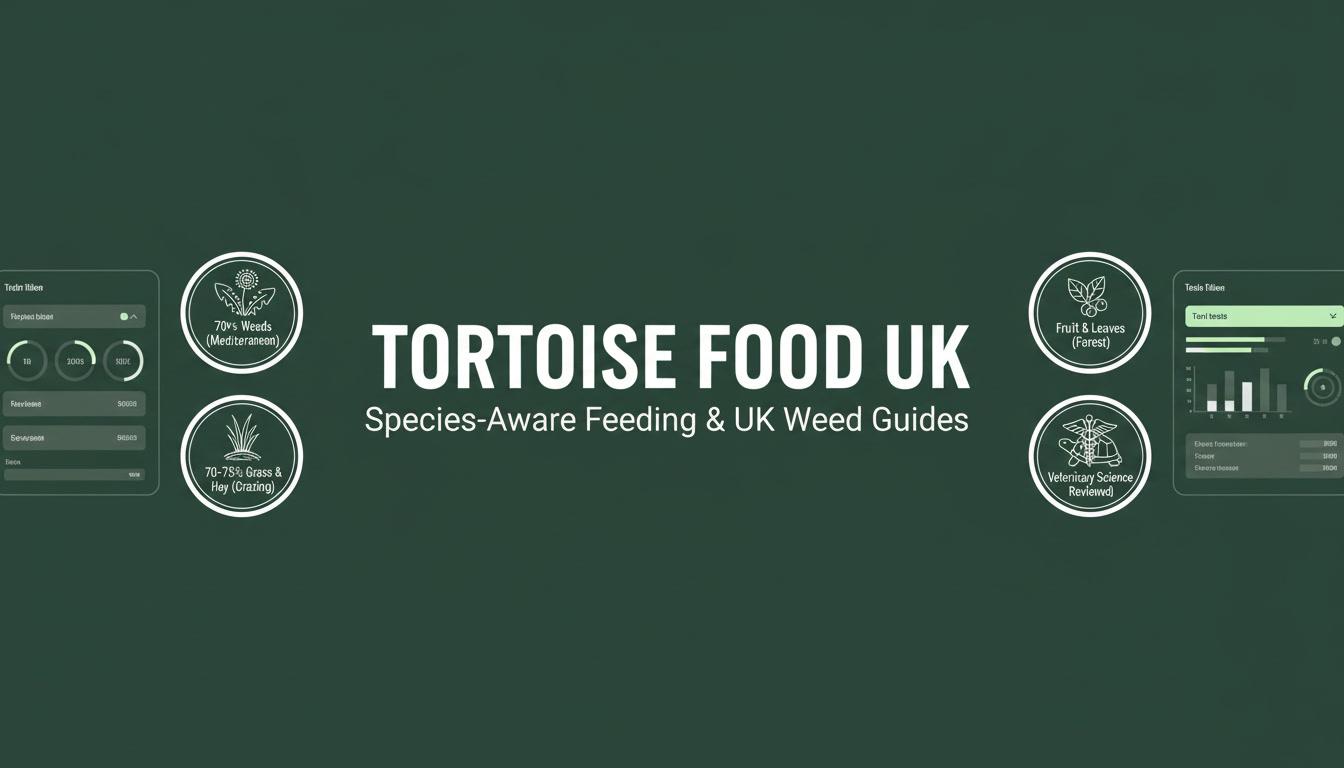
Choosing the right diet for your tortoise is crucial for its health and longevity. With diverse species such as Hermann’s, Horsfield’s (commonly known as Russian), Sulcata, and more, understanding the specific dietary needs is essential for tortoise keepers in the UK. In this guide, we explore the nuances of a tortoise's diet, incorporating expert insights into feeding guides, food charts, and more. Learn how to best cater to these gentle reptiles with our in-depth analysis.
Understanding Species Diets: Tailoring Nutrition for Healthy Growth
Different species of tortoises have distinct nutritional requirements. The Mediterranean species like Hermann’s and Spur-thighed thrive on a diet rich in leafy greens and weeds. These tortoises require a diet where weeds should make up more than 70% of their intake, supplemented by grasses and hay. In contrast, the Sulcata tortoise, native to arid regions, benefits from a high-fiber diet primarily consisting of grasses and hay.
The red-footed and leopard tortoises, with their subtropical origins, can include a small portion of fruit in their diet but should still focus predominantly on vegetables and leafy greens. For the Indian star tortoise, a mix of fibrous foods with occasional fruits mirrors their natural environment. Each species’ diet should be assorted and carefully balanced to prevent deficiencies and health issues.
Comprehensive Feeding Guides: From Hatchlings to Mature Tortoises
Feeding guidelines vary with the age and species of your tortoise. Baby and hatchling tortoises require daily feeding to support their rapid growth, with a diet rich in calcium and vitamins. As tortoises mature, feeding frequency can decrease to every other day, with a continued emphasis on variety and nutrition.
Winter feeding becomes critical for species that do not hibernate. For those that do, like the Horsfield’s, pre-hibernation feeding should focus on building reserves while maintaining a healthy weight. Post-hibernation, gradual reintroduction of food is crucial.
Safe Foods and Dietary Principles: What to Include and Avoid
A tortoise's diet should be rich in safe, non-toxic plants. Vegetables such as kale, carrots, and spring greens are nutritious staples. Dandelions, a tortoise favorite, along with other flowers and weeds, add essential nutrients. However, avoid foods like iceberg lettuce and spinach due to their low nutritional value and oxalate content, respectively.
Fruit should be limited, especially for species not accustomed to sugary diets. Understanding the tortoise foods to avoid is as crucial as knowing what to include. For example, toxic plants like rhubarb and foxglove should be strictly avoided.
Exploring Food Options: Fresh, Dried, and Pellets
The best tortoise food in the UK often involves a mix of fresh and dried options. While fresh food is optimal, dried food can supplement during off-seasons. Grow your own tortoise food to ensure a supply of safe, pesticide-free options.
Pelleted products are widely debated. It's recommended that keepers avoid mass-market pelleted products due to their often inadequate nutritional profiles. For those who choose to use them, our guide to tortoise pellets can help you select the best brands available in the UK, ensuring they complement rather than dominate your tortoise's diet.
Water, Hydration, and Supplements: Ensuring Complete Nutrition
Hydration is vital, with fresh water available at all times. Soaking tortoises weekly helps prevent dehydration, particularly in young and hibernating tortoises. Calcium and supplements, including cuttlebone and mineral blocks, play a vital role in shell development and overall health. Monitoring your tortoise’s intake and adjusting supplements as needed ensures balanced nutrition.
For more detailed dietary overviews and feeding guides tailored to different species, visit Tortoise Food UK, your comprehensive resource for safe foods, food checkers, and expert insights.
Conclusion
Mastering the complexities of tortoise nutrition ensures they lead healthy, fulfilling lives. By understanding species-specific diets, integrating diverse and safe foods, and leveraging both fresh and dried options, you provide the best possible care. As tortoise keepers, we hold the responsibility to explore and implement these advanced dietary principles, ensuring our shelled companions thrive in their UK habitats.

 English
 Arabic
 French
 Spanish
 Portuguese
 Deutsch
 Turkish
 Dutch
Dutch
 Italiano
 Russian
 Romaian
 Portuguese (Brazil)