
 LMS
LMS
 Reels Series
Diazepam 5mg Sedil in the UK: Prescription Requirements & Responsible Use
Introduction
Diazepam is a prescription medicine used in the UK to manage certain medical conditions, including severe anxiety, muscle spasms and some seizure-related conditions. It belongs to a group of medicines known as benzodiazepines, which work by calming activity in the central nervous system.
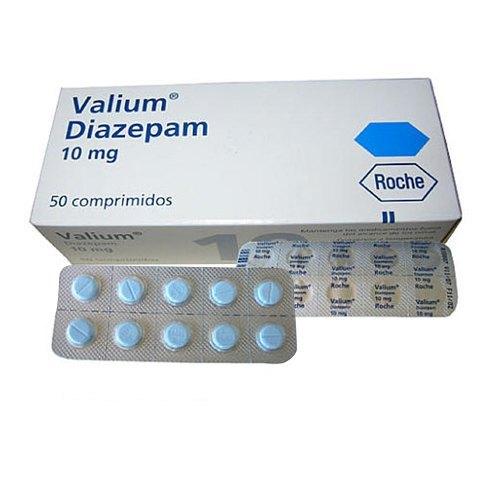
Diazepam 5mg Sedil refers to a product described as containing diazepam at a strength of 5mg. Patients should check the packaging and patient information leaflet to confirm the active ingredient and formulation of their particular product.
Although diazepam can be helpful when prescribed appropriately, it can cause drowsiness, impaired coordination, dependence and withdrawal symptoms. Responsible use therefore requires professional assessment, careful adherence to prescribing instructions and an understanding of the potential risks.
This guide explains the medical uses of diazepam, UK prescription requirements, common side effects, interactions and practical safety considerations.
What Is Diazepam 5mg Sedil?
Diazepam is a benzodiazepine that enhances the activity of gamma-aminobutyric acid (GABA), a chemical messenger that reduces excessive activity in the brain and nervous system. This produces calming, sedative and muscle-relaxing effects.
Depending on the clinical situation, a healthcare professional may prescribe diazepam to help manage:
-
Severe anxiety that causes significant distress.
-
Muscle spasms associated with certain conditions.
-
Particular seizure-related emergencies or as part of specialist treatment.
-
Symptoms associated with alcohol withdrawal under medical supervision.
-
Anxiety before selected medical or dental procedures.
Diazepam does not cure every underlying condition associated with these symptoms. Treatment should form part of a broader care plan, with the need for medication reviewed regularly.
Medical Uses of Diazepam
Severe anxiety
Diazepam may be prescribed for short-term relief of severe, disabling anxiety. It can reduce feelings of tension and agitation, although it is generally unsuitable as a routine long-term solution for anxiety disorders.
People experiencing persistent anxiety may benefit from psychological therapies, including cognitive behavioural therapy (CBT), and other treatments recommended by a clinician.
Muscle spasms
Diazepam has muscle-relaxing properties and may be used in selected cases involving painful muscle spasms. The underlying cause of the symptoms should also be assessed, particularly when pain is persistent or accompanied by weakness or other unusual symptoms.
Seizures and alcohol withdrawal
In certain circumstances, diazepam may be used as part of treatment for seizures or alcohol withdrawal. These situations require appropriate medical assessment and, where indicated, urgent or supervised care.
Patients should never use someone else's diazepam to manage these conditions.
Diazepam 5mg Dosage and Administration
The correct diazepam dose depends on the condition being treated, the patient's age, general health, other medicines and individual response. A 5mg tablet is not necessarily the correct dose for every patient.
Always follow the directions on your prescription and the accompanying patient information leaflet. Do not copy another person's dosage or change your treatment without consulting your prescriber.
Important principles for responsible use include:
-
Take only the dose prescribed specifically for you.
-
Follow the prescribed timing and treatment duration.
-
Do not take extra tablets if symptoms persist.
-
Do not share your medicine with another person.
-
Ask a pharmacist what to do if you miss a dose.
-
Contact your prescriber if you believe the medicine is not helping.
Buy Diazepam 5mg Sedil in uk is generally intended for short-term use for anxiety, usually no longer than two to four weeks. Other indications may require different treatment arrangements. Long-term treatment should only continue when a clinician has assessed the need and established an appropriate monitoring and withdrawal plan.
Common Side Effects
Diazepam can cause side effects, although not everyone experiences them. Their severity depends on factors such as the dose, treatment duration, age and use of other medicines.
Common or recognised side effects include:
Drowsiness: You may feel sleepy or less alert during the day.
Dizziness: Some people experience light-headedness or feel unsteady.
Reduced coordination: Muscle relaxation and slower reactions may increase the risk of falls.
Fatigue: Tiredness can affect everyday activities and concentration.
Memory difficulties: Diazepam may affect the ability to remember events, particularly after taking a dose.
Confusion: This may be more noticeable in older adults or people taking other sedating medicines.
Other possible effects include muscle weakness, blurred vision and changes in mood or alertness.
Contact your healthcare professional if side effects are troublesome or continue. Seek urgent medical assistance if you experience severe breathing difficulties, become extremely drowsy or develop signs of a serious allergic reaction.
Dependence, Tolerance and Withdrawal Risks
Diazepam can cause physical dependence and addiction, particularly when taken regularly, at higher doses or for longer than recommended.
Tolerance occurs when the body becomes accustomed to a medicine and its effects may diminish. This can lead someone to feel that a higher dose is needed, but increasing the dose without medical advice can be dangerous.
Physical dependence means the body has adapted to regular use. If treatment is stopped suddenly, withdrawal symptoms may occur. These can include anxiety, restlessness, irritability, sweating, shaking, headaches and sleep disturbances. Severe withdrawal may cause confusion, hallucinations or seizures.
Dependence can develop even when a medicine is initially taken as prescribed. Patients should therefore discuss treatment duration and a stopping plan with their prescriber.
Do not stop diazepam suddenly if you have been taking it regularly. A healthcare professional can develop a gradual dose-reduction plan tailored to your circumstances.
Important Drug Interactions
Diazepam can interact with other medicines and substances, increasing sedation and potentially causing serious complications.
Alcohol
Avoid alcohol while taking diazepam. The combination can intensify drowsiness, impair coordination and increase the risk of dangerous sedation.
Opioids
Combining diazepam with opioid medicines, including codeine, morphine, tramadol or oxycodone, can cause profound sedation, respiratory depression, coma and death. Such combinations require careful medical assessment and should not be undertaken without explicit clinical instructions.
Other sedating medicines
Sleeping tablets, other benzodiazepines, sedating antihistamines and some psychiatric medicines can increase drowsiness and other adverse effects.
Tell your doctor or pharmacist about every medicine, supplement and over-the-counter product you use. Do not assume that medicines are safe to combine simply because they are prescribed separately.
Driving and Everyday Safety
Diazepam can slow reaction times and affect concentration, judgement and coordination. These effects may continue after you have taken the medicine, even if you do not feel particularly sleepy.
Do not drive, cycle or operate machinery if you are impaired. In the UK, driving while your ability is affected by a medicine can be an offence.
Older adults may be especially vulnerable to falls. Taking care when standing up, using stairs or walking during the night can help reduce injury risks.
If you feel unusually sleepy, confused or unsteady, seek advice from your healthcare professional before continuing activities that require full alertness.
UK Prescription Requirements
Diazepam is a prescription-only medicine in the UK and is classified as a Class C controlled drug under the Misuse of Drugs Act 1971. It is listed in Schedule 4, Part I, of the Misuse of Drugs Regulations 2001.
A healthcare professional should assess your symptoms, medical history, current medicines and relevant risk factors before prescribing diazepam.
Obtain the medicine through a legitimate healthcare provider and a registered pharmacy dispensing a valid prescription. Avoid unverified websites offering controlled medicines without an appropriate clinical assessment, as products may be counterfeit, incorrectly labelled or unsafe.
Never share diazepam with another person, even if they report similar symptoms. Store it securely and follow the disposal instructions provided by your pharmacy.
Alternatives and Supportive Treatments
The most suitable treatment depends on the reason diazepam has been prescribed.
For anxiety, CBT, other psychological therapies and certain longer-term treatments may be appropriate. For muscle spasms, management may involve physiotherapy, gentle movement, treatment of the underlying condition or other medicines recommended by a clinician.
For alcohol dependence, professional support and medically supervised treatment may be necessary. People who drink heavily or are physically dependent on alcohol should not attempt to manage withdrawal with borrowed medication or stop suddenly without medical advice.
These approaches may address underlying problems while reducing unnecessary reliance on sedative medicines.
When to Seek Medical Advice
Contact your GP or prescriber if your symptoms persist, worsen or return frequently. Seek advice if you experience troublesome side effects, believe you may be becoming dependent or have concerns about interactions with other medicines.
If someone has taken more diazepam than prescribed, obtain urgent medical advice through NHS 111. Call 999 if the person is difficult to wake, has slow or difficult breathing, collapses or appears seriously unwell.
Conclusion
Diazepam 5mg Sedil, when confirmed to contain diazepam, may be prescribed for selected medical conditions, including severe anxiety and muscle spasms. However, it requires careful use because it can cause drowsiness, impaired coordination, dependence and potentially dangerous interactions.
Responsible treatment means following the prescribed instructions, avoiding alcohol and unsafe medicine combinations, attending clinical reviews and seeking professional advice before stopping regular treatment. A GP or qualified healthcare professional can help determine whether diazepam is appropriate and identify alternative treatments where necessary.
Medical disclaimer: This article is for general educational purposes only. It does not replace individual medical advice, diagnosis or treatment. Always follow your prescription and consult a qualified healthcare professional about your circumstances.

 English
 Arabic
 French
 Spanish
 Deutsch
 Turkish
 Dutch
Dutch
 Italiano
 Russian
 Romaian
 Portuguese (Brazil)
 Greek
Greek