
 LMS
LMS
 Reels Series
BAPE Tee Shirt vs. Regular T-Shirts: Is the Price Difference Worth It?
For a fair comparison, "regular" means mass-market basics — think Uniqlo, H&M, or unbranded blanks used for printing. These typically run $8 to $25 and prioritize simplicity over statement design. A Bape tee shirt, by contrast, sits in the $80 to $150 range depending on the drop. That's a five-to-ten-times markup on paper, which is exactly why so many buyers pause before clicking purchase and want to know what's actually different underneath the logo.
Fabric Weight: Bape vs Basic Cotton
Most regular tees use lightweight cotton around 140 to 160 GSM, built for breathability and cost efficiency rather than structure. Bape shirts generally run heavier, often 180 to 220 GSM combed cotton, giving them more body and a sturdier drape. This isn't a night-and-day quality gap, but it's noticeable when you're holding both side by side. The heavier weight also handles repeated washing better, which partly explains why Bape pieces resist thinning out as quickly as cheaper basics do.
Print Technique Is Where the Real Gap Opens Up
Regular tees usually rely on single-layer screen prints or vinyl transfers, which are fast and cheap to produce at scale. A bape tee shirt typically goes through multi-layer screen printing for its camo and graphic work, adding depth and texture that a flat print can't replicate. This step adds real production cost and time. It's also the single biggest reason Bape prints outlast basic graphic tees, which tend to crack or peel within a year of regular wear.
Construction and Stitching Side by Side
Basic tees often use single-stitched hems and minimal seam reinforcement, since keeping costs low is the priority. Bape uses double-stitched hems and reinforced shoulder seams more consistently, which reduces the chance of unraveling over time. Neither garment is hand-finished couture, but the construction gap is real enough to matter after a year of regular washing. If you've ever had a cheap tee's hem unravel within months, this difference explains part of what you're paying extra for.
Brand Value: What You're Actually Paying For
Strip away the emotional attachment and a large portion of the price gap comes down to brand equity, not raw materials. Bape's design history, limited drops, and cultural relevance carry weight that a blank cotton tee simply can't replicate. This isn't unique to streetwear — it's the same logic behind any recognizable label costing more than a generic equivalent. Whether that premium feels justified depends entirely on how much you value design history and cultural context.
Bape Tee Shirt Pricing Against Everyday Basics
When you break the price down per wear over several years, the gap narrows more than people expect. A $100 bape tee shirt worn weekly for three years costs far less per wear than its sticker price suggests, especially if the print holds up better than a $15 alternative that fades within a season. It's not a direct one-to-one value comparison, but cost-per-wear is a more honest lens than comparing upfront price tags alone.
Does the Hoodie Bape Line Follow the Same Logic
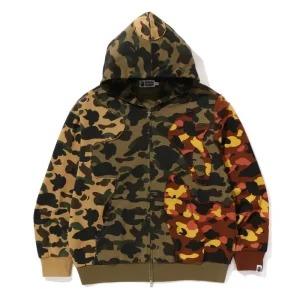
The price gap actually narrows further in outerwear. A hoodie bape piece uses heavier fleece, ribbed cuffs, and drawstring hardware that basic hoodies often skip entirely, so the construction premium is more visible and easier to justify than on a tee. Regular hoodies can still be a smart choice for everyday layering, but the gap in build quality between a basic hoodie and a Bape one is wider than the gap you'll find comparing basic and Bape tees.
The Pull Baby Milo Premium
Character-driven pieces like pull baby milo releases sit in their own pricing tier, closer to collectible than basic. The finer linework, limited colorways, and collector demand push these well above standard Bape pricing, let alone regular tee pricing. This is where "worth it" becomes less about fabric and more about scarcity and resale potential. If you're buying purely for a wardrobe basic, this line isn't the fair comparison point against a plain cotton tee.
Where the Veste Requin Fits the Price Conversation
The veste requin jacket makes the clearest case for Bape's premium pricing, since its heavier shell fabric, structured hood, and detailed hardware are genuinely absent from budget outerwear. Comparing a basic zip-up hoodie to a veste requin isn't really comparable at all — they're built for different purposes and price tiers entirely. It's a useful reminder that Bape's value proposition gets stronger the higher up the product range you go.
Longevity: Does a Bape Tee Outlast a Regular One
In direct wear tests, Bape tees tend to hold their print and shape noticeably longer than budget basics, largely thanks to the heavier fabric and layered printing. A $15 tee might last a year of regular wear before fading or stretching out at the collar. A well-cared-for Bape tee can realistically last three to five years. That longevity gap is real, even if it doesn't fully close the price difference on paper.
Resale Value No Regular Tee Can Match
This is where the comparison stops being close. Regular tees have essentially zero resale value once worn, while limited Bape releases regularly resell above retail years later. That resale potential functions almost like a hedge against the upfront cost, something no basic tee can offer. It's not guaranteed income, but it's a real factor separating an $80 purchase that might hold value from a $15 purchase that definitely won't.
When a Regular T-Shirt Is Actually the Smarter Buy
For everyday layering, gym wear, or anything expected to get destroyed quickly, a basic tee is the more rational choice every time. Paying premium prices for a shirt you'll ruin painting a fence makes no financial sense regardless of print quality. Bape makes sense for pieces you'll actually care for and wear with intention, not for high-wear, low-stakes situations where a cheap replacement is genuinely the smarter, more practical option.
Final Verdict: Is the Price Difference Worth It
It depends on what you're optimizing for. On pure cost-per-wear and durability, Bape holds up better than most assume, though it still costs more upfront than the fabric alone justifies. Add in design relevance and resale potential, and the gap narrows further for buyers who actually wear and care for the pieces. For basics you'll wreck within a season, skip it. For pieces you'll keep, the premium earns its place more often than not.
 Turkish
 English
 Arabic
 French
 Spanish
 Portuguese
 Deutsch
 Dutch
Dutch
 Italiano
 Russian
 Romaian
 Portuguese (Brazil)
 Greek
Greek