
 LMS
LMS
 Reels Series
Best Places to Travel in the USA: 10 Destinations Worth Exploring

A great trip does not always mean visiting the most famous city or booking the most expensive resort. Sometimes, it means watching the sunrise over a canyon, spending an afternoon in a quiet coastal town, or discovering a neighborhood where the food is as memorable as the scenery.
The United States offers all these experiences, often within the same country. You can explore busy cities, tropical islands, mountain trails, historic communities, and wide-open desert landscapes. The challenge is choosing a place that fits your time, budget, and travel style.
This guide to the best places to travel in the USA focuses on what makes each destination worth visiting, when to consider going, and how to plan a more rewarding trip. Instead of simply listing popular attractions, it helps you match a destination to the kind of experience you want.
1. New York City, New York — Best for First-Time Visitors
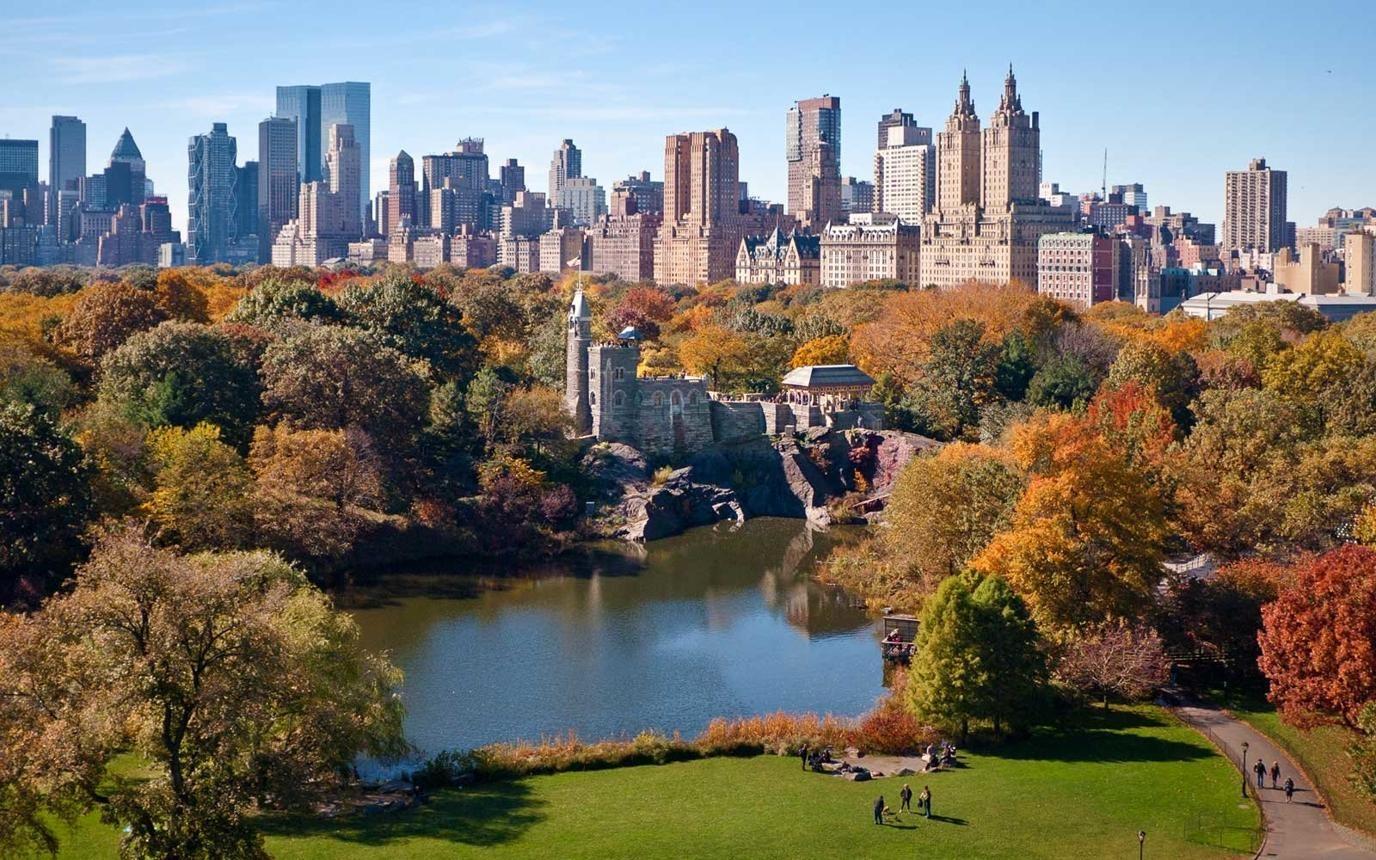
New York City is a strong choice for travelers who want to experience several sides of American life in one trip. Its neighborhoods have distinct personalities, from the busy streets of Midtown to the independent shops and restaurants of Brooklyn.
You can spend the morning at a museum, walk through Central Park in the afternoon, and finish the day with a Broadway show or dinner in Chinatown.
Top things to do
-
Walk through Central Park and explore its paths and gardens.
-
Visit the Metropolitan Museum of Art or the American Museum of Natural History.
-
See the Statue of Liberty and explore the waterfront.
-
Discover local restaurants, bakeries, and neighborhood markets.
-
Explore Brooklyn for street art, independent stores, and skyline views.
Best time to visit: April to June and September to early November are worth considering for comfortable sightseeing weather.
Planning tip: Stay near a subway station and group attractions by neighborhood. Traveling across the city for every activity can waste hours and increase transport costs.
Potential drawback: Accommodation, dining, and major attractions can make New York expensive. Set a daily budget before booking.
2. Yellowstone National Park — Best for Wildlife and Nature
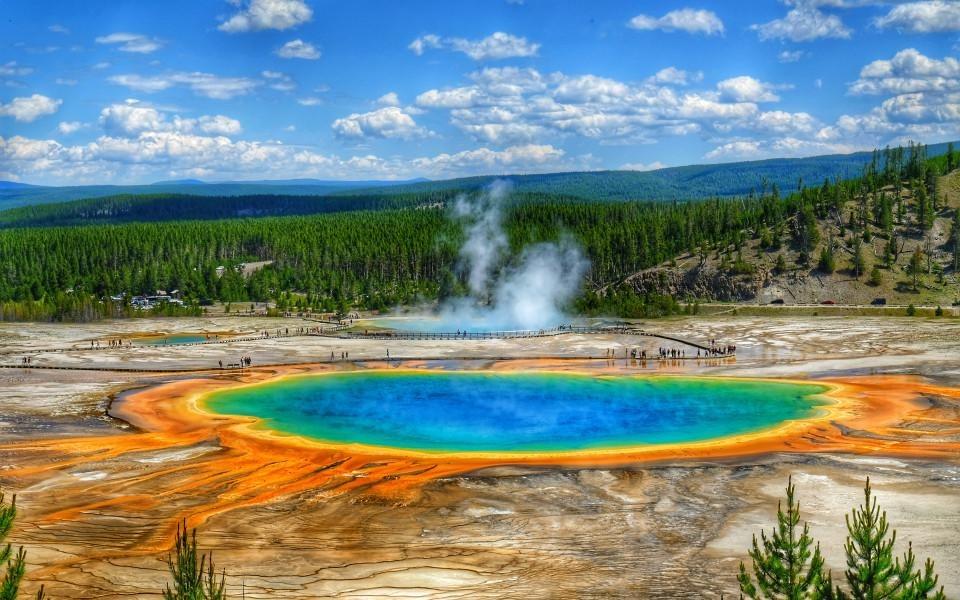
Yellowstone offers a different kind of American adventure. Located mainly in Wyoming, with parts extending into Montana and Idaho, this vast national park is known for geothermal features, forests, lakes, waterfalls, and wildlife.
The park is particularly rewarding for travelers who prefer open landscapes to busy city streets. Watching a geyser erupt or spotting bison in a valley can become the highlight of a trip.
What should you see in Yellowstone?
-
Old Faithful, one of the park's best-known geysers.
-
Grand Prismatic Spring, famous for its colorful thermal waters.
-
Grand Canyon of the Yellowstone and its dramatic waterfalls.
-
Hayden Valley, a popular area for wildlife viewing.
-
Yellowstone Lake for peaceful scenery and outdoor activities.
Best time to visit: Late spring through early fall is popular, but road access and services vary by season.
Planning tip: Allow at least three days if you want to see several major areas without rushing. Check the official Yellowstone National Park visitor guide for current road conditions, seasonal closures, and safety information.
Potential drawback: Yellowstone is enormous. Choosing a few areas and planning realistic driving times is better than trying to see everything in one day.
3. Maui, Hawaii — Best for Beaches and Scenic Drives

Maui combines sandy beaches, volcanic landscapes, tropical vegetation, and scenic coastal roads. It suits travelers who want a mix of outdoor exploration and time to relax.
One day might involve swimming or snorkeling where conditions permit, while another could be spent exploring the island's landscapes or watching the sunset along the coast.
Experiences worth planning
-
Drive sections of the famous Road to Hana.
-
Visit Haleakalā National Park for volcanic scenery.
-
Explore coastal communities and local food spots.
-
Enjoy beach time and look for seasonal whale-watching tours.
-
Discover hiking trails suited to your experience level.
Best time to visit: Spring and fall can offer a useful balance of pleasant weather and travel demand, although conditions vary.
Planning tip: Choose accommodation based on the areas you most want to explore. Driving across Maui repeatedly can take longer than expected.
Potential drawback: Flights, rental cars, and accommodation can add up quickly. Compare the full trip cost rather than looking at airfare alone.
4. Grand Canyon National Park, Arizona — Best for Dramatic Landscapes
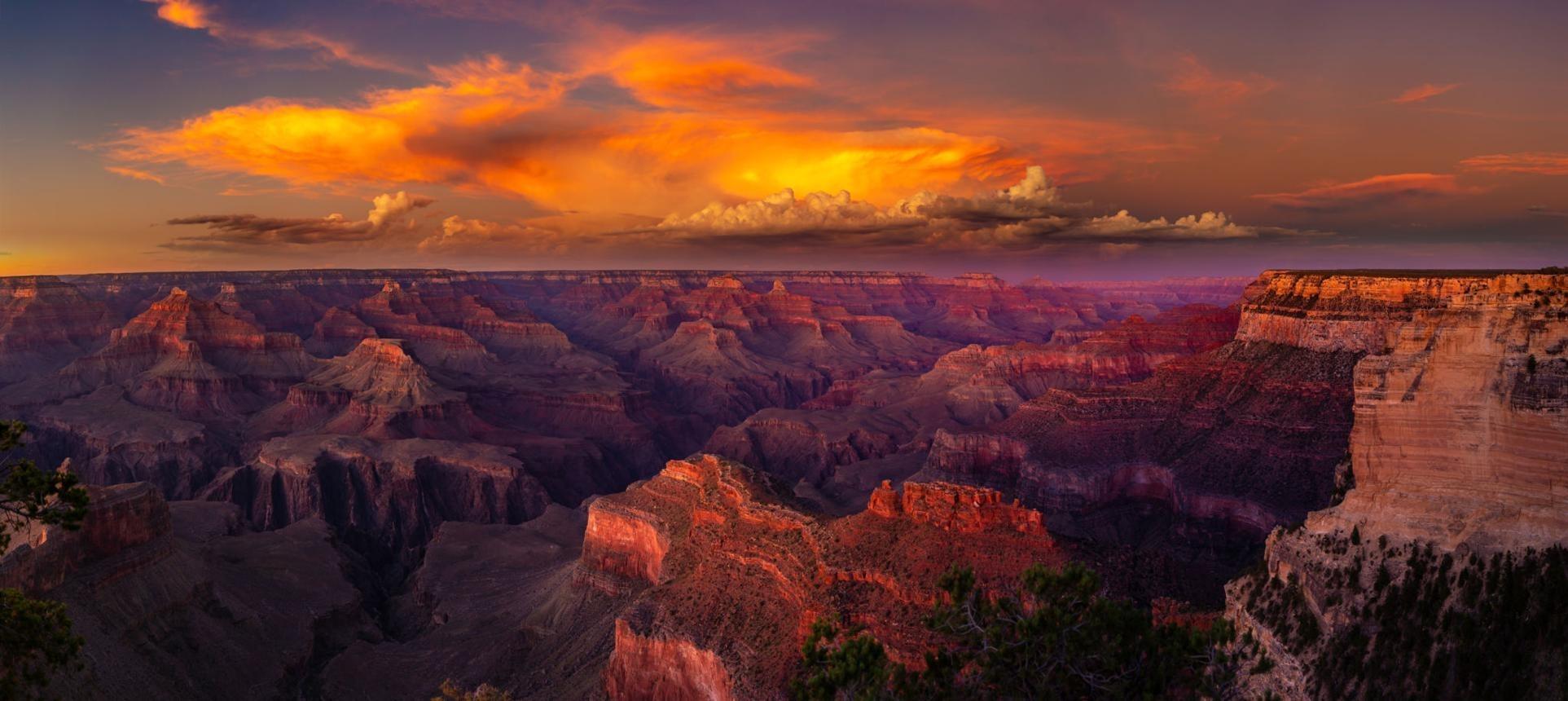
Some destinations are impressive in photographs but feel even more powerful in person. Grand Canyon National Park is one of them. Its enormous cliffs, layered rock formations, and changing colors create a landscape that is difficult to appreciate from a single viewpoint.
The South Rim is a practical starting point for many first-time visitors, with viewpoints, visitor facilities, and shuttle services.
Things to do at the Grand Canyon
-
Watch the changing light from Mather Point.
-
Walk a section of the Rim Trail.
-
Explore Desert View Drive.
-
Join a ranger-led activity when available.
-
Plan a hike only after checking the trail conditions and your fitness level.
Best time to visit: Spring and fall are popular for hiking and sightseeing. Summer can be very hot, especially below the rim.
Planning tip: Give yourself at least one full day, or longer if you plan to hike. Check the National Park Service's Grand Canyon visitor information before traveling, as conditions and access can change.
Potential drawback: The distance between viewpoints and trail destinations can be greater than it appears on a map. Do not plan a demanding hike and a packed sightseeing schedule on the same day.
5. San Francisco, California — Best for Coastal Views and Food
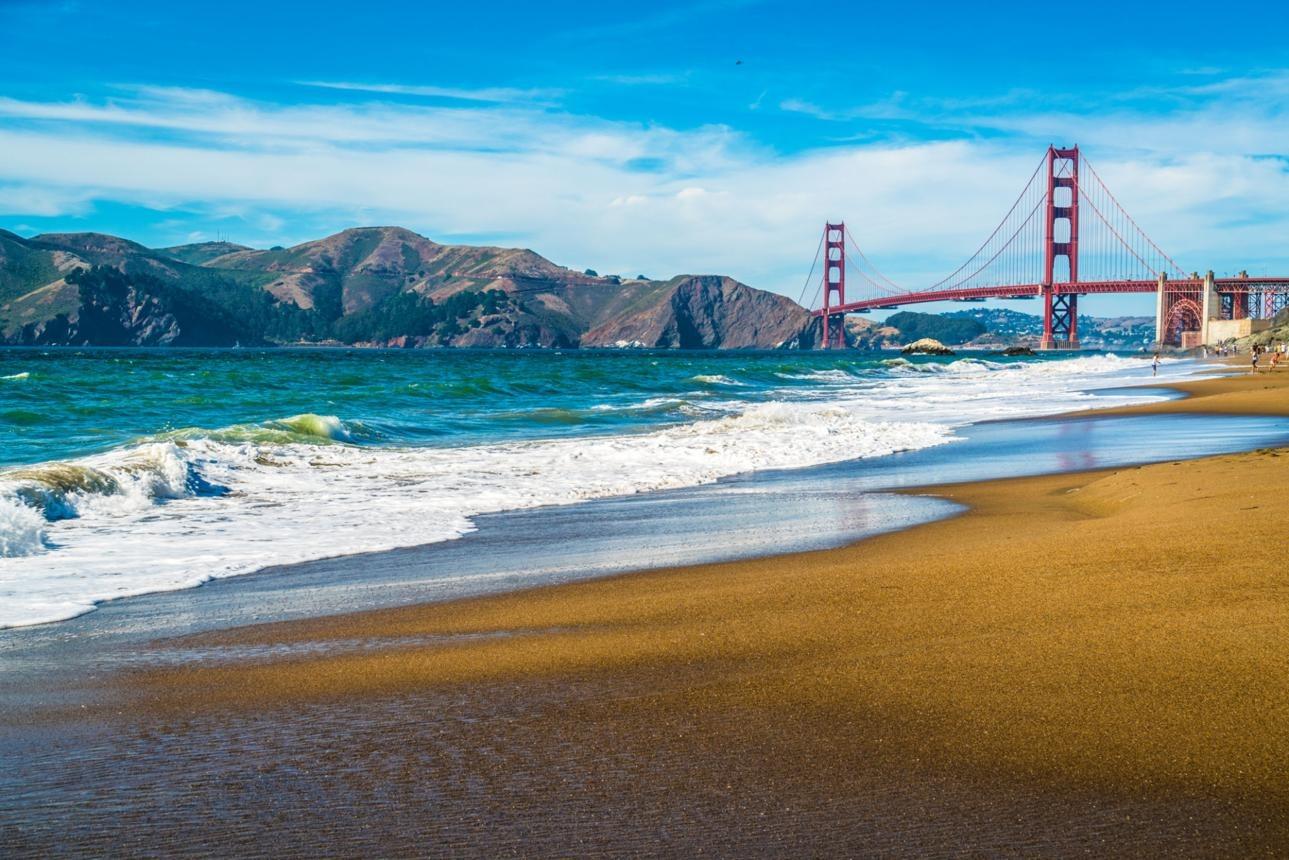
San Francisco offers a mix of waterfront scenery, historic neighborhoods, distinctive architecture, and an exciting food scene. It is a good option for travelers who want city experiences without giving up access to nature.
The city's steep streets are part of its character, and the views often change dramatically as you move between neighborhoods.
Highlights to add to your itinerary
-
Walk along the waterfront at Fisherman's Wharf.
-
Photograph the Golden Gate Bridge from a suitable viewpoint.
-
Explore Chinatown and North Beach.
-
Take a ferry to Alcatraz Island with advance planning.
-
Visit Golden Gate Park for gardens, museums, and walking paths.
Best time to visit: September and October often bring pleasant conditions, although San Francisco can be foggy and cool throughout the year.
Planning tip: Pack a light jacket even if the forecast looks warm. Check transport options before deciding whether a rental car is necessary.
Potential drawback: Parking can be expensive, and driving is not always the easiest way to explore central neighborhoods.
6. Charleston, South Carolina — Best for History and Southern Charm
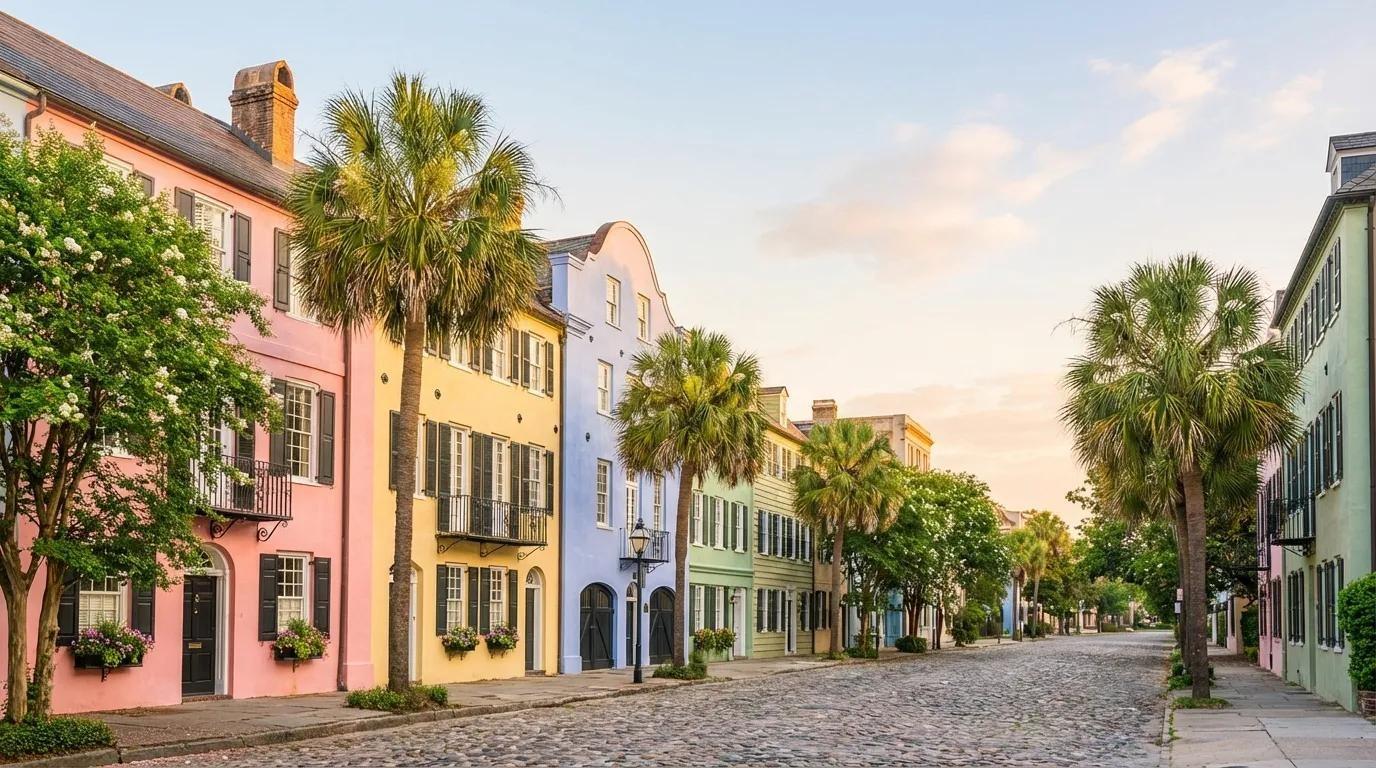
Charleston is a rewarding choice for travelers who enjoy historic architecture, local food, and a slower pace. Its colorful homes, historic districts, and coastal setting make it feel different from America's larger metropolitan destinations.
Rather than filling every hour with attractions, you can spend time walking through the historic center, visiting museums, and trying regional dishes.
What makes Charleston special?
-
Explore Rainbow Row and the surrounding historic streets.
-
Visit historic homes and museums.
-
Try Lowcountry dishes, including shrimp and grits.
-
Spend time near the waterfront.
-
Plan a beach visit if you have an extra day.
Best time to visit: Spring and fall are good options for comfortable walks. Summer can bring high humidity and heavy rain.
Planning tip: Stay close to the historic district if walking and dining are your main priorities.
Potential drawback: Popular restaurants and central accommodation can be costly during busy periods. Reserve ahead if you have specific places in mind.
7. Zion National Park, Utah — Best for Hiking and Outdoor Adventure
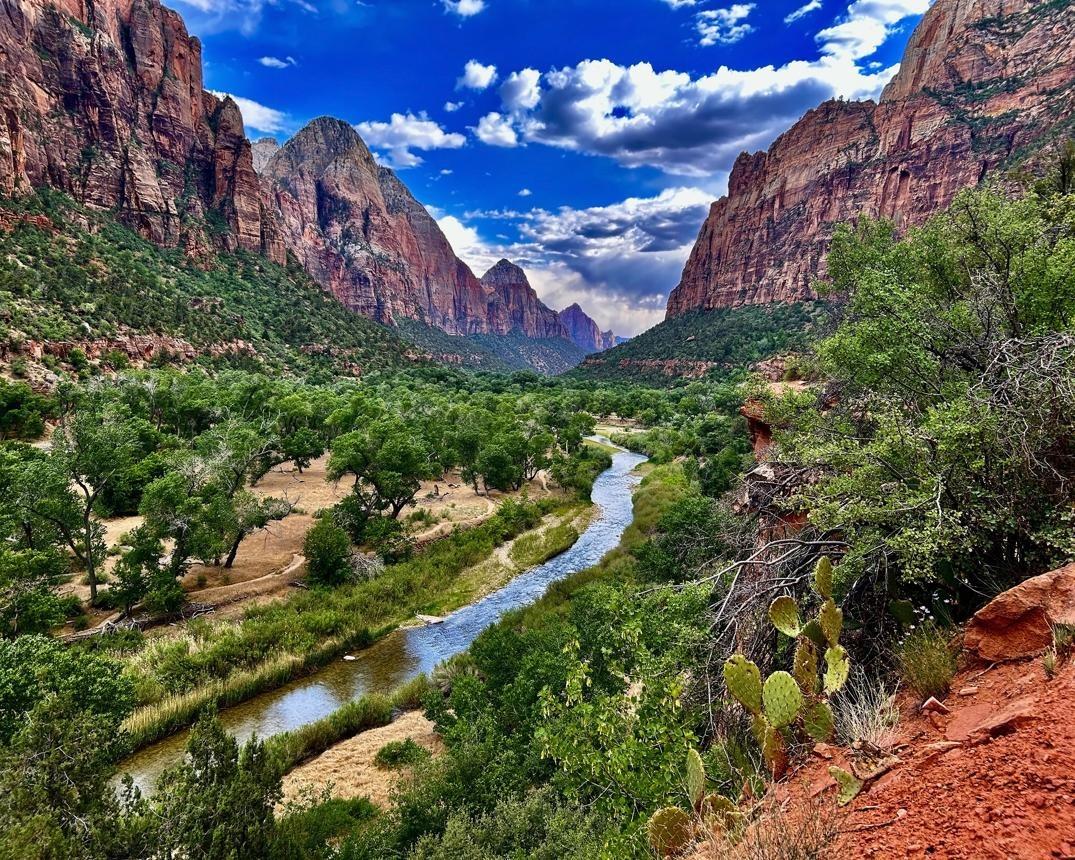
Zion is one of the best travel destinations for people who want striking scenery and active days outdoors. Towering sandstone cliffs, narrow canyons, and desert landscapes create a setting that feels very different from the country's coastal regions.
You do not need to be an expert hiker to enjoy the park. Scenic viewpoints and shorter walks can be rewarding, although some famous trails require more preparation.
Things to experience
-
Walk the Riverside Walk when open and conditions permit.
-
Explore the scenic areas of Zion Canyon.
-
Choose a trail that matches your fitness and experience.
-
Photograph the sandstone cliffs in changing light.
-
Visit nearby Springdale for meals and accommodation.
Best time to visit: Spring and fall are popular for hiking, but temperatures, trail access, and crowd levels vary.
Planning tip: Research shuttle schedules, trail restrictions, and any permit requirements before arriving. Carry sufficient water and take heat warnings seriously.
Potential drawback: Some trails are physically demanding or exposed to dangerous conditions. Do not choose a hike based only on social media photographs.
8. New Orleans, Louisiana — Best for Music and Local Culture
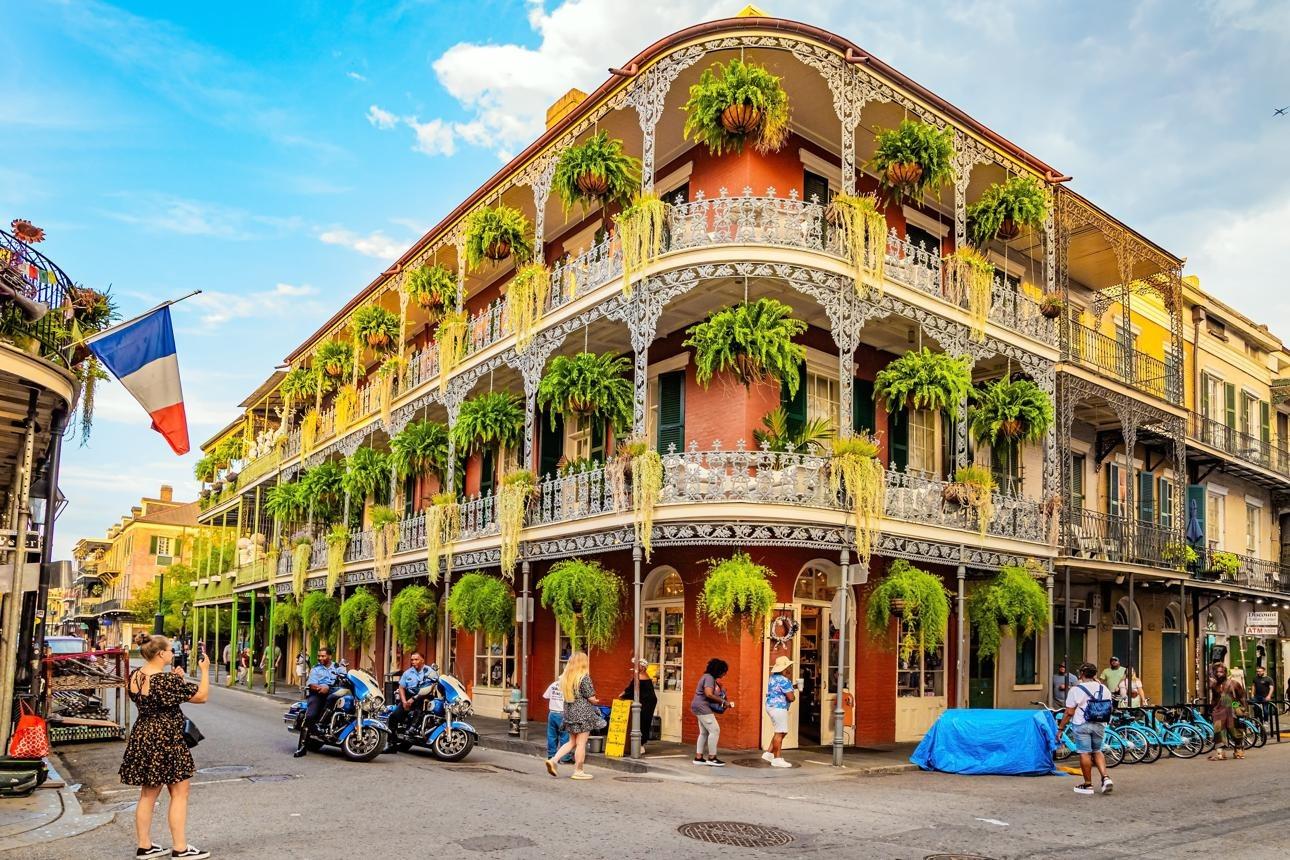
New Orleans is a destination for travelers who plan their trips around food, music, architecture, and local culture. Its identity reflects a rich blend of cultural influences, visible in its neighborhoods, traditions, and cuisine.
The city rewards people who leave some room for unplanned discoveries, whether that means hearing live music or finding a neighborhood restaurant.
Experiences to consider
-
Explore the French Quarter on foot.
-
Listen to live jazz at established venues.
-
Try gumbo, jambalaya, or a traditional po'boy.
-
Visit the Garden District for historic homes and tree-lined streets.
-
Explore local markets and cultural museums.
Best time to visit: February through May can be appealing, but festival dates bring larger crowds and higher prices. Autumn is another option.
Planning tip: Book accommodation early around major festivals, and check event schedules before setting your dates.
Potential drawback: Summer heat and humidity can make long walks tiring. Plan outdoor activities for cooler hours and check local weather alerts.
9. Alaska — Best for Remote Wilderness and Wildlife
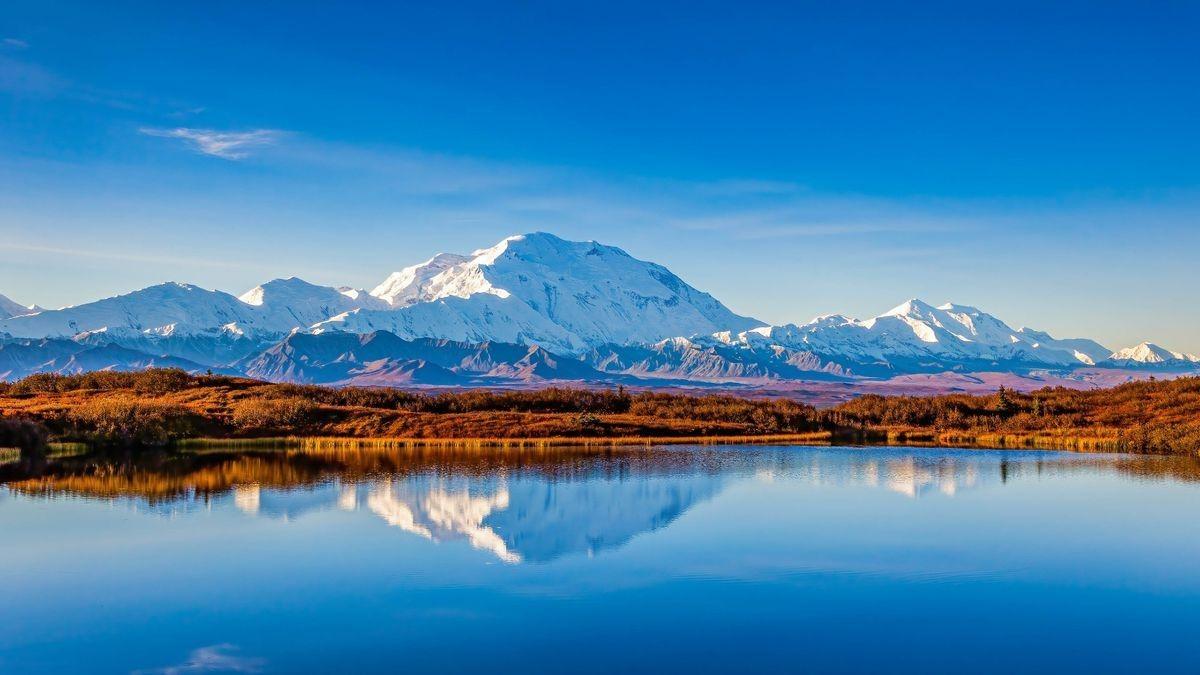
Alaska is a strong choice for travelers who want expansive landscapes, mountain views, wildlife, and a sense of distance from busy urban life. It is not one single sightseeing destination; the experience depends on the region you choose.
Anchorage can serve as a starting point for some itineraries, while Denali and coastal communities offer different ways to experience Alaska's natural environment.
What can you experience?
-
Explore Denali-area landscapes and visitor facilities.
-
Take a wildlife-viewing or glacier excursion with a reputable operator.
-
Discover coastal towns and their local culture.
-
Photograph mountain scenery and long summer evenings.
-
Consider a cruise or rail journey if it suits your route and budget.
Best time to visit: Summer generally offers the broadest access to many visitor services, although conditions depend on the location.
Planning tip: Choose your main region first. Alaska's distances can make an ambitious itinerary expensive and tiring.
Potential drawback: Flights, tours, and transport between regions can be costly. Weather can also change plans, so build flexibility into your schedule.
10. Washington, D.C. — Best for Museums and American History
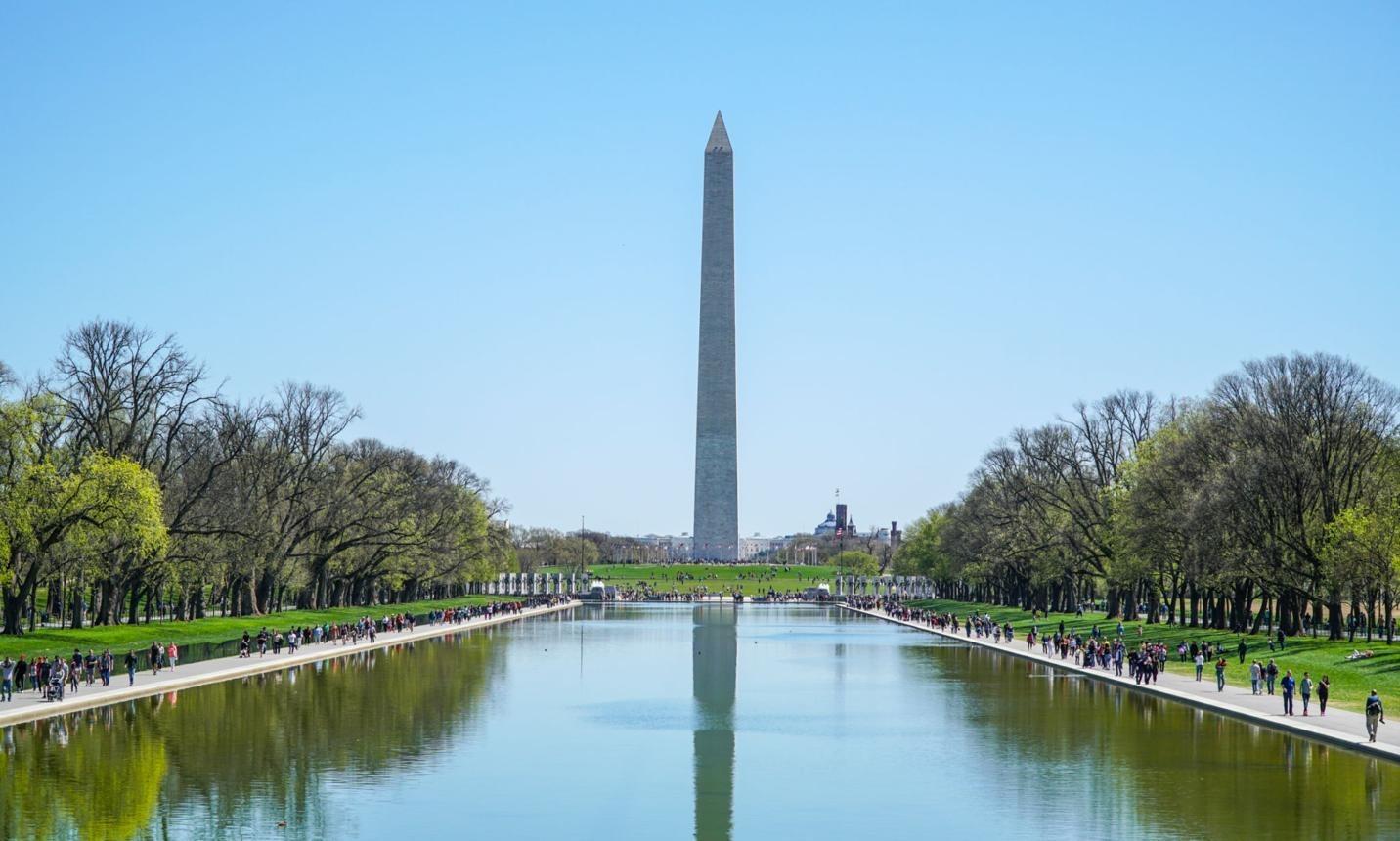
Washington, D.C., is an excellent choice for travelers interested in museums, national monuments, architecture, and American history. It is also worth considering for families because many Smithsonian museums offer free general admission, though some special experiences may cost extra.
The city can be explored through a mix of walking, public transportation, and planned museum visits.
Top attractions
-
Visit the National Museum of Natural History.
-
Explore the National Air and Space Museum, checking current admission requirements.
-
Walk along the National Mall.
-
See the Lincoln Memorial and Washington Monument.
-
Tour the National Gallery of Art.
Best time to visit: Spring and fall are popular for sightseeing. Spring brings flowering trees, while autumn offers milder temperatures.
Planning tip: Group museums and monuments by location. Some attractions require timed-entry passes or advance reservations, so check official websites before visiting.
Potential drawback: Museum visits can take longer than expected. Pick two or three priorities per day instead of trying to cover everything.
How to choose the best travel destination for your trip
The best choice is not always the destination with the most attractions. It is the one that fits the kind of trip you actually want.
|
Your travel style |
Destinations to consider |
Why they fit |
|
First trip to the USA |
New York City, Washington, D.C. |
Landmarks, museums, and easy-to-plan city itineraries |
|
Beaches and relaxation |
Maui |
Coastal scenery and outdoor activities |
|
Wildlife and nature |
Yellowstone, Alaska |
Wilderness, wildlife, and varied landscapes |
|
Hiking and adventure |
Zion, Grand Canyon |
Trails, canyon views, and outdoor exploration |
|
Food and culture |
New Orleans, Charleston |
Regional cuisine, history, and local character |
|
City and coastal scenery |
San Francisco |
Neighborhoods, waterfront walks, and food |
What is the best time of year to travel in the USA?
There is no single best month for every destination. The United States covers many climate zones, so seasonality should influence your decision.
-
Spring: Consider Washington, D.C., Charleston, and parts of the Southwest.
-
Summer: Consider Alaska, Yellowstone, and other destinations where seasonal access is important.
-
Fall: Look at New York City, San Francisco, Charleston, and Zion.
-
Winter: Consider Hawaii for a tropical escape or New Orleans for culture and food, while checking local conditions.
These are starting points, not guarantees of good weather. Check forecasts and seasonal access close to your departure date.
How to plan a trip without overspending
Travel costs depend on more than airfare. Accommodation, local transport, meals, attraction tickets, parking, and taxes can change the total significantly.
Use these practical steps before booking:
-
Set a total budget. Decide what you can spend on the entire trip, not just flights.
-
Compare travel dates. Check prices across nearby dates if your schedule allows flexibility.
-
Choose a convenient base. A slightly more expensive hotel near transport may save money on taxis and rental cars.
-
Book essential experiences early. Popular tours, national park lodging, and major attractions may have limited availability.
-
Keep a contingency fund. Leave room for weather changes, transport delays, and unexpected expenses.
A less famous destination can deliver a better trip if it matches your interests and reduces travel time.
Common travel-planning mistakes to avoid
Trying to visit too many places
The USA is large. Combining New York, the Grand Canyon, and Yellowstone in a short trip can mean spending a large part of your holiday in airports or on roads.
Better approach: Choose one region or a small group of destinations with practical connections.
Ignoring seasonal closures
Mountain roads, hiking trails, and national park facilities may close or operate on reduced schedules.
Better approach: Check official park updates and local transport information before you leave.
Underestimating distances
A destination may look close on a map but require several hours of driving. In large national parks, reaching different viewpoints can also take significant time.
Better approach: Calculate travel time between each planned stop and leave space for breaks.
Planning every minute
A rigid itinerary can turn a relaxing holiday into a checklist.
Better approach: Plan one or two main activities each day and keep some time open for unexpected discoveries.
Frequently asked questions
1. What are the best places to travel in the USA for first-time visitors?
New York City, Washington, D.C., and San Francisco are strong options for first-time visitors. They offer recognizable landmarks, museums, food, and a range of activities. Your final choice should depend on your budget and how many days you have.
2. What are the best travel destinations in the USA for nature lovers?
Yellowstone National Park, Grand Canyon National Park, Zion National Park, and Alaska are excellent options. They offer different experiences, from wildlife viewing and geological features to hiking and remote wilderness.
3. Which places in the USA are good for a budget-friendly vacation?
Washington, D.C., can be a good option because many Smithsonian museums offer free general admission. Some national park trips can also be affordable with careful planning, although accommodation, transport, and entrance fees still need to be considered.
4. What is the best time to visit the USA?
Spring and fall are useful starting points for many sightseeing trips because temperatures can be comfortable. Summer is popular for many national parks, while Hawaii offers year-round travel opportunities. Check conditions for your specific destination before booking.
5. Which US destinations are best for couples?
Maui, Charleston, San Francisco, and New York City offer different types of couple-friendly experiences. Maui suits beach-focused trips, Charleston offers historic charm, San Francisco has scenic coastal views, and New York provides dining and entertainment.
6. How many days should I plan for a US vacation?
A long weekend can work for one city, while five to seven days can allow a more relaxed city break or a focused regional trip. National parks and multi-state itineraries may require more time, depending on distances and activities.
7. How can I find destinations that match my travel interests?
Start with three questions: What do you want to experience, how much can you spend, and when can you travel? Then compare transport, accommodation, seasonal conditions, and activities. This approach is more useful than choosing a destination simply because it is popular.
Conclusion
The United States offers far more than a collection of famous landmarks. New York City delivers energy and culture, Yellowstone showcases remarkable natural features, Maui offers coastal escapes, and Charleston provides a slower, history-rich experience. Each destination has its own advantages, costs, and planning challenges.
When choosing the best places to travel, start with your priorities rather than a long bucket list. Decide how much time you have, choose a realistic budget, and research the best season for your preferred activities. A well-planned trip to one destination can be more rewarding than rushing through five.

 English
 Arabic
 French
 Spanish
 Portuguese
 Deutsch
 Turkish
 Dutch
Dutch
 Italiano
 Romaian
 Portuguese (Brazil)
 Greek
Greek