
 LMS
LMS
 Reels Series
Does Root Canal Treatment Help With Swollen Gums?
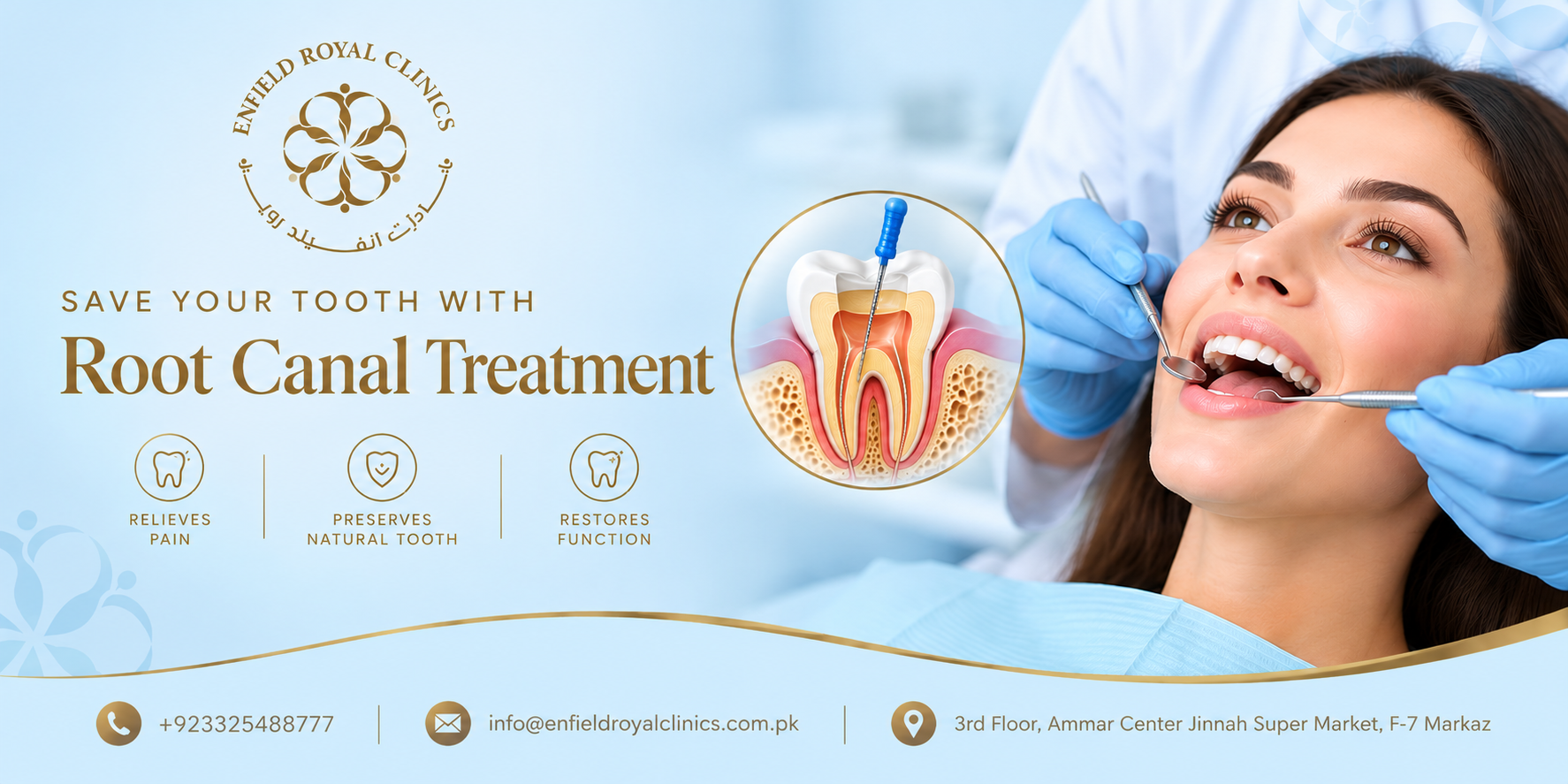
Swollen gums can be uncomfortable and may cause tenderness, redness, bleeding, or pain while chewing. Although gum swelling often develops because of plaque buildup or gum disease, it can sometimes indicate an infection originating inside a tooth. When bacteria reach the inner pulp and spread toward the root, an abscess may form and cause swelling in the surrounding gum tissue.
In such cases, root canal treatment may help resolve the underlying infection while preserving the natural tooth. However, it is not the right treatment for every type of gum swelling. The appropriate solution depends on the source of the problem and the condition of the affected tooth and gums.
People searching for Root Canal Treatment in Islamabad can benefit from understanding how this procedure works, when it may reduce swelling, and which symptoms require prompt dental attention.
1. What Causes Swollen Gums Around a Tooth?
Gum swelling can develop for several reasons, and identifying the cause is essential before treatment begins. The location of the swelling, the presence of pain, and other symptoms can help a dentist determine whether the problem originates in the gums or inside a tooth.
One possible cause is a dental abscess, which is a collection of pus caused by a bacterial infection. When bacteria enter the pulp through deep decay, a crack, or dental trauma, the infection can spread through the root canal system and affect the surrounding tissues. This may lead to swelling near the root of the affected tooth.
Other common causes include:
-
Gum disease: Plaque and tartar buildup can irritate the gums, causing redness, bleeding, tenderness, and swelling.
-
Food trapped between teeth: Food particles can irritate the gum tissue and contribute to local inflammation.
-
Deep tooth decay: Advanced decay may reach the pulp, causing inflammation or infection that affects nearby tissues.
-
Cracked teeth: A crack can allow bacteria to enter the tooth and may contribute to infection.
-
Impacted teeth: Partially erupted teeth, particularly wisdom teeth, can cause swelling and inflammation in the surrounding gums.
Swelling caused by gum disease usually requires treatment directed at the gums, such as professional cleaning or periodontal care. In contrast, swelling associated with an infected tooth may require root canal treatment or extraction, depending on whether the tooth can be saved.
2. How Does Root Canal Treatment Help With Swollen Gums?
Root canal treatment can help reduce gum swelling when the swelling results from infection inside the tooth. The procedure targets the source of the problem rather than simply addressing the visible inflammation.
Inside each tooth is dental pulp containing nerves, blood vessels, and connective tissue. Deep cavities, cracks, or injuries can allow bacteria to reach this tissue. If the pulp becomes irreversibly inflamed or infected, the infection may spread through the root tip into the surrounding bone and gum tissues.
During root canal treatment, the dentist opens the tooth and removes the damaged or infected pulp. The root canals are carefully cleaned and disinfected before being filled and sealed. The tooth is then restored with a suitable filling or crown, depending on the remaining tooth structure.
By treating the infected pulp and reducing the source of bacterial contamination, the procedure can allow the surrounding tissues to heal. As healing progresses, swelling and tenderness caused by the infection may gradually improve.
For people considering Root Canal Treatment in Islamabad, it is important to understand that the procedure does not directly treat every gum condition. If the swelling results from plaque-related gum disease or another problem unrelated to the tooth's pulp, a different treatment approach may be necessary.
3. What Signs Suggest That Swollen Gums May Need a Root Canal?
Not every swollen gum requires root canal treatment. However, certain symptoms may suggest that the problem involves the pulp or an infection around the root.
Possible warning signs include:
-
Persistent or throbbing pain in a particular tooth.
-
Swelling around the gum near the affected tooth.
-
Pain when biting or chewing.
-
Sensitivity to hot or cold that lingers after the trigger is removed.
-
A small, pimple-like bump on the gum that may release pus.
-
A tooth that becomes darker after an injury.
-
An unpleasant taste or bad breath associated with a dental infection.
Some infected teeth cause little or no pain, particularly when the pulp has lost its vitality. Therefore, the absence of severe toothache does not always mean the tooth is healthy.
A dentist may examine the gums, check the tooth's response to temperature, assess tenderness, and take dental X-rays when appropriate. These steps help identify the source of the swelling and determine whether root canal treatment is suitable.
If the tooth is too damaged to restore, extraction may be recommended instead. If the swelling comes from gum disease, professional periodontal treatment may be more appropriate.
Facial swelling, fever, or rapidly worsening symptoms require urgent dental assessment. Difficulty breathing or swallowing, or swelling that spreads into the neck or around the eye, requires emergency medical care because the infection may be spreading.
4. Can Root Canal Treatment Reduce a Dental Abscess?
A dental abscess can develop when bacteria cause an infection in the pulp or the tissues surrounding a tooth. The resulting collection of pus may cause swelling, pressure, tenderness, and pain. In some cases, the swelling appears as a raised bump on the gum.
When the abscess originates from an infected pulp and the tooth is restorable, root canal treatment can help control the infection by cleaning and sealing the root canal system. The dentist may also need to drain the abscess, depending on its location and severity.
An abscess should not be ignored simply because the pain decreases or the swelling begins to drain. These changes do not necessarily mean the infection has resolved. The underlying cause still needs professional treatment.
Antibiotics may be prescribed in selected cases, particularly when there are signs of spreading infection or systemic involvement. However, antibiotics alone usually do not eliminate the source of an infected tooth. Definitive dental treatment, such as root canal treatment, drainage, or extraction, is often necessary.
Patients should avoid squeezing or puncturing a swollen gum bump at home. Doing so can injure the tissues and delay appropriate care.
When an abscess is treated successfully, the swelling should begin to improve as the infection comes under control. The exact recovery time depends on the severity of the infection and the treatment required.
5. What Should Patients Expect After Root Canal Treatment?
After root canal treatment, the tissues around the tooth may remain tender for several days. This can happen because the surrounding area was inflamed before treatment or because the procedure temporarily irritates the tissues around the root.
When swelling is caused by an infection inside the tooth, it should gradually improve as the source of the infection is controlled. However, significant swelling may require additional treatment, and improvement is not always immediate.
Patients should follow their dentist's instructions carefully. Important aftercare measures include:
-
Avoiding hard or sticky foods on the treated tooth until the permanent restoration is complete.
-
Brushing gently and maintaining daily oral hygiene.
-
Taking prescribed medicines according to the dentist's instructions.
-
Attending follow-up appointments to check healing and complete the restoration.
-
Contacting the dentist if swelling increases, pain becomes severe, or new symptoms appear.
A filling or crown may be required to protect the treated tooth from further damage. Completing this restoration helps preserve the tooth's strength and function.
If swelling persists or returns after treatment, the dentist may need to investigate possible causes, such as a continuing infection, a crack, a problem with the restoration, or a separate gum condition.
6. How Can Patients Prevent Gum Swelling and Dental Infections?
Good oral hygiene can reduce the risk of many problems that lead to gum inflammation and tooth infection. Although not every dental infection can be prevented, consistent care helps protect the teeth and surrounding tissues.
Brushing twice daily with fluoride toothpaste helps remove plaque and protect against tooth decay. Cleaning between the teeth with floss or another suitable interdental cleaner removes food particles and plaque from areas a toothbrush may miss.
Regular dental checkups also play an important role. A dentist can identify cavities, damaged fillings, cracks, and early gum disease before these conditions become more serious. Professional cleaning may be recommended when plaque hardens into tartar.
Patients can further support oral health by limiting frequent sugary snacks and drinks, avoiding tobacco, and seeking treatment for persistent toothache or bleeding gums. Dental pain should not be managed indefinitely with painkillers while the underlying cause remains untreated.
For patients exploring Root Canal Treatment in Islamabad, early diagnosis can help determine whether swollen gums are related to an infected tooth or another oral health concern. Treating the correct cause is the most effective way to support healing and protect long-term dental health.
Frequently Asked Questions
1. Will swollen gums disappear after root canal treatment?
Swelling caused by infection inside a tooth often improves after successful root canal treatment because the source of the infection is addressed. However, gum disease or another underlying problem may require separate treatment. Persistent or worsening swelling should be assessed by a dentist.
2. Is root canal treatment necessary for every swollen gum?
No. Swollen gums can result from plaque buildup, gum disease, trapped food, impacted teeth, or an infected tooth. Root canal treatment is considered when the pulp is irreversibly inflamed or infected and the tooth can be restored.
3. Can a dental abscess heal without treatment?
A dental abscess should not be left untreated. Pain may decrease if the abscess drains, but the underlying infection can remain and potentially spread. Prompt professional care is important to determine whether drainage, root canal treatment, extraction, or other treatment is needed.
4. When should someone seek urgent care for swollen gums?
A person should seek urgent dental care for significant swelling, fever, pus, worsening pain, or swelling that spreads into the face. Difficulty breathing or swallowing, or rapidly spreading swelling around the neck or eye, requires emergency medical attention.

 English
 Arabic
 French
 Spanish
 Portuguese
 Deutsch
 Turkish
 Dutch
Dutch
 Italiano
 Russian
 Portuguese (Brazil)
 Greek
Greek