
 LMS
LMS
 Reels Series
How Caribbean Women in the Diaspora Keep Their Culture Alive
Culture does not disappear when someone moves away from the islands. It changes shape. It may live in a family recipe prepared on a busy Sunday, a familiar phrase spoken at home, music playing during a celebration, or the values passed from one generation to the next.
For Caribbean women living in the United States, maintaining a connection to their heritage can mean balancing two worlds. Work, education, family responsibilities, and modern American life all influence how traditions are practiced. Some women preserve customs exactly as they learned them, while others adapt them to fit their lives today.
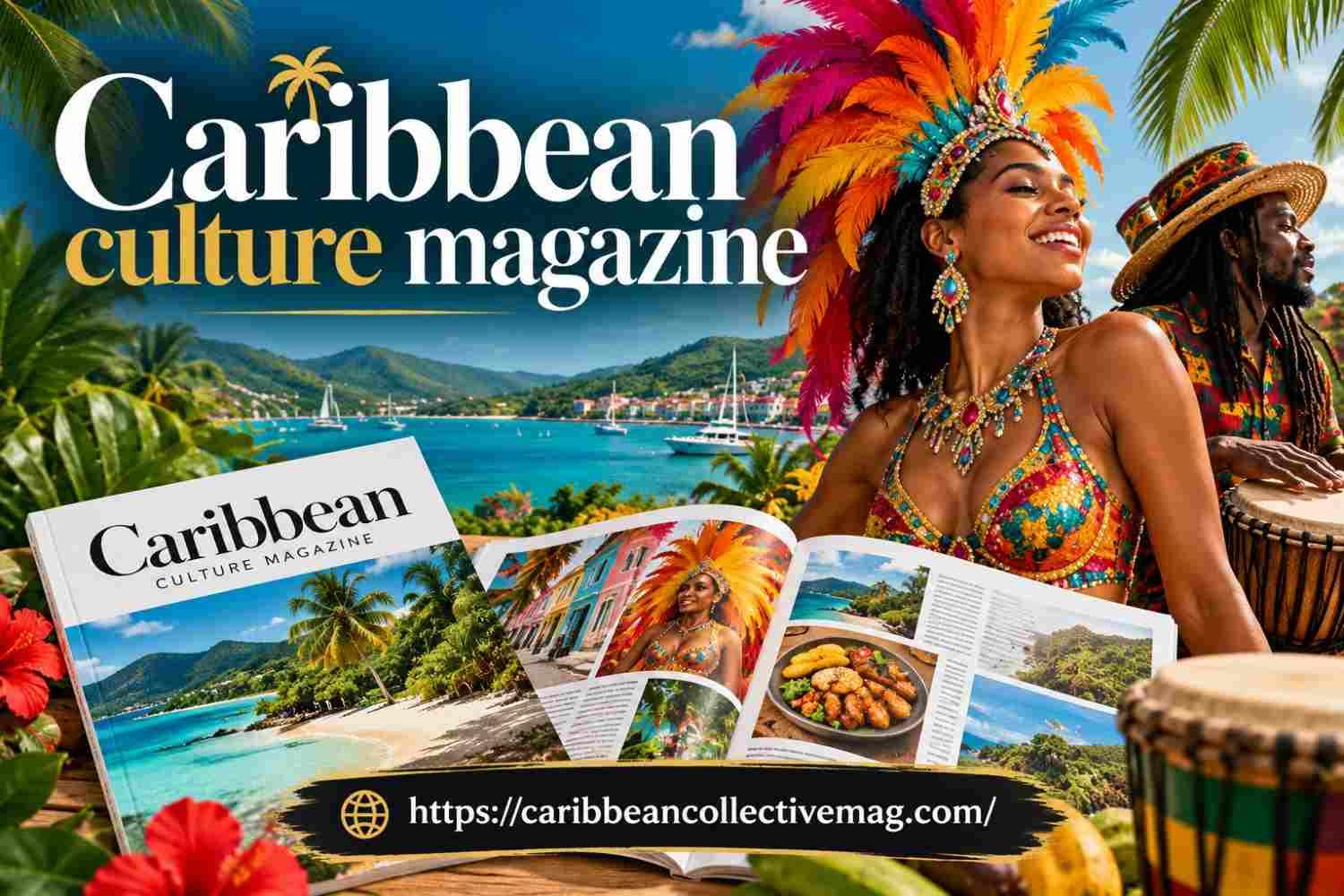
A Caribbean culture magazine can help bring these experiences into focus. By sharing real stories, perspectives, and cultural knowledge, it creates space for women to explore their roots while defining what Caribbean identity means to them now.
What Does Caribbean Identity Mean for Women Living Abroad?
Caribbean identity is not a single experience. The region includes different islands, languages, religions, histories, and cultural traditions. A Jamaican woman's experience may differ from that of a woman with Trinidadian, Haitian, Guyanese, Barbadian, or Grenadian roots.
Living in the United States adds another layer. Women may grow up speaking one language or dialect at home and another at school or work. They may follow family customs while developing personal beliefs that differ from those of older relatives.
These experiences do not make someone's identity less authentic. They show how culture develops across generations.
For some women, identity is closely connected to their birthplace. For others, it comes from their parents' stories, family traditions, community relationships, or regular visits to their family's home island.
The common thread is connection. Caribbean identity can remain meaningful even when daily life happens thousands of miles away from the Caribbean Sea.
How Family Traditions Keep Caribbean Heritage Alive
Family is often one of the strongest links between generations. Traditions can pass from grandparents to parents and children through ordinary moments rather than formal lessons.
Food as a connection to home
Food carries memories, regional knowledge, and family history. A meal can remind someone of childhood, a grandparent's kitchen, or a celebration shared with relatives.
Jerk chicken, callaloo, roti, rice and peas, pelau, and other familiar dishes mean different things across Caribbean communities. Their ingredients and preparation methods reflect local histories, migration, and cultural exchange.
Women who live abroad may adapt traditional recipes because certain ingredients are difficult to find or because family members have different dietary needs. These changes do not automatically weaken the tradition. They can help it survive in a new setting.
A practical way to preserve food heritage is to record family recipes, ask older relatives about their origins, and let younger family members take part in cooking. The story behind a dish can be just as valuable as the recipe itself.
Celebrations that bring generations together
Birthdays, weddings, religious holidays, family reunions, and cultural festivals offer opportunities to share traditions. Music, clothing, food, storytelling, and familiar expressions can help children understand their family background.
These gatherings also give younger generations a chance to ask questions. Why does the family prepare a certain dish? Where did a particular custom begin? Which songs were popular when their parents were young?
Making room for these conversations helps transform a celebration into a learning experience.
Why Language and Storytelling Matter
Language is more than a tool for communication. It can carry humor, emotion, local knowledge, and a sense of belonging.
Caribbean communities use a wide range of languages and speech varieties, including Jamaican Patois, Haitian Creole, Trinidadian English Creole, and many others. The language a person uses may change depending on the setting, audience, or situation.
Some Caribbean Americans become more comfortable using familiar expressions at home, while using different speech patterns at work or school. Others may understand a family language but feel less confident speaking it.
Families can encourage language learning without making it a source of embarrassment. Sharing songs, explaining common expressions, reading stories, and speaking with relatives can help younger people build confidence.
Storytelling matters, too. Stories about migration, childhood, family businesses, and life on the islands give younger generations context that they may not find in textbooks.
A Caribbean lifestyle magazine can support this process by publishing personal essays, interviews, oral histories, and stories that reflect the variety of Caribbean voices.
How Caribbean Fashion Expresses Heritage and Individuality
Fashion offers another way to maintain cultural connections. Caribbean style can draw on vibrant colors, natural fabrics, bold prints, jewelry, headwraps, and clothing associated with particular traditions or celebrations.
However, Caribbean fashion is not limited to traditional outfits. Women also express their identity through contemporary streetwear, professional clothing, handmade accessories, and independent designers who combine regional influences with modern design.
For a woman working in a corporate office, cultural expression might appear in a piece of jewelry or a colorful accessory. For another, it might mean wearing a family-inspired outfit to a cultural event or supporting a Caribbean-owned fashion brand.
The key is personal choice. Cultural style should not become a requirement that women must meet to prove their heritage.
Publications can help readers discover Caribbean designers, learn the stories behind textiles and accessories, and understand how fashion reflects history, creativity, and identity.
The Role of Caribbean Women in Business and Community
Caribbean women contribute to communities through entrepreneurship, education, healthcare, creative work, public service, and many other fields. Their professional lives can also shape how cultural knowledge is shared and preserved.
A woman who starts a catering business may introduce customers to regional dishes. A designer may draw inspiration from Caribbean art and history. A writer may document family experiences that would otherwise remain private. A community organizer may create events that bring people from different islands together.
These contributions do not always happen through large organizations. Sometimes they begin with a small local project, a community group, a creative business, or a conversation among friends.
There are challenges, including limited funding, unequal access to professional networks, time pressures, and the difficulty of reaching audiences beyond an established community. Women may also feel pressure to represent an entire culture when their own experiences are only one part of it.
Sharing practical stories about these challenges can be valuable. Readers gain insight into how people build careers, find mentors, support one another, and create opportunities without losing their personal connection to their roots.
How the Next Generation Can Stay Connected to Caribbean Culture
Young people growing up in the United States may feel connected to Caribbean heritage in different ways. Some visit family islands regularly, while others know their background mainly through relatives, food, music, and community events.
Parents and older relatives can help by making culture part of everyday life rather than presenting it as a set of rules.
Useful ways to build that connection include:
-
Explore family history: Ask relatives about their hometowns, migration stories, and important family traditions.
-
Make cultural activities interactive: Cook together, learn a dance, listen to music, or attend a local cultural event.
-
Explore different islands: Teach children that Caribbean culture is diverse, with distinct histories and customs.
-
Use books and media: Introduce writers, artists, musicians, journalists, and filmmakers from different Caribbean communities.
-
Welcome questions: Let young people explore their heritage without expecting them to know everything already.
Digital media can also help. Interviews, podcasts, online magazines, and community platforms make cultural stories easier to discover and share across borders.
Common Mistakes When Representing Caribbean Culture
Celebrating culture is meaningful, but representation requires care. A few common mistakes can make cultural stories less accurate or inclusive.
Treating the Caribbean as one culture
The Caribbean is culturally diverse. A story about one island should not automatically be presented as representative of the entire region. Writers should identify the community, location, or tradition they are discussing.
Focusing only on festivals and food
Carnival, music, and cuisine are important parts of Caribbean life, but they are not the whole story. Education, work, relationships, social issues, creative industries, and everyday experiences also deserve attention.
Assuming every person has the same connection to heritage
Some people speak a Caribbean language fluently; others do not. Some have visited their family's island many times, while others have never been. These differences should be treated with respect rather than used to judge someone's identity.
Using cultural symbols without context
Traditional clothing, expressions, music, and customs often have specific meanings. When publishing cultural content, explain the context and seek knowledgeable voices instead of relying on assumptions.
How a Caribbean Culture Magazine Can Make a Difference
A strong publication does more than report on trends. It creates a place where communities can see themselves represented with accuracy, curiosity, and respect.
For readers in the United States, a Caribbean culture magazine can connect local experiences with broader conversations about heritage, migration, identity, and creativity. Interviews with women, profiles of Caribbean-owned businesses, cultural explainers, and first-person essays can all contribute to that mission.
The most valuable stories are often specific. Instead of making broad claims about what all Caribbean women believe, a publication can share the experiences of a particular woman, family, artist, or community. Readers can then understand both the personal story and the wider cultural context.
Caribbean Collective Magazine can serve this role by highlighting West Indian women and their experiences across culture, business, fashion, and lifestyle. The goal is not to define Caribbean identity for every reader. It is to provide stories and perspectives that help readers explore it for themselves.
Frequently Asked Questions
1. What is a Caribbean culture magazine?
A Caribbean culture magazine publishes stories about the region's heritage, people, traditions, arts, history, and evolving identity. Some publications also cover Caribbean communities living abroad.
2. What is the difference between a Caribbean culture magazine and a Caribbean lifestyle magazine?
A culture magazine often emphasizes heritage, history, identity, and creative expression. A Caribbean lifestyle magazine may also cover fashion, wellness, travel, food, relationships, careers, and everyday living. The two categories often overlap.
3. How do Caribbean Americans preserve their heritage?
People preserve heritage through family recipes, language, music, storytelling, cultural events, religious traditions, visits to ancestral communities, and conversations with older relatives. Each family develops its own approach.
4. Why is Caribbean representation in media important?
Thoughtful representation helps document diverse experiences, challenge stereotypes, and introduce readers to people and traditions that may receive limited attention in mainstream media.
5. Is Caribbean culture the same across every island?
No. Caribbean communities have distinct histories, languages, customs, cuisines, and creative traditions. Shared regional connections exist, but individual islands and communities should not be treated as identical.
6. How can young people learn more about their Caribbean roots?
They can speak with family members, explore local cultural organizations, read Caribbean literature, discover music and film, learn family recipes, and study the history of their family's island or community.
7. Where can readers find stories about Caribbean women and culture?
Readers can explore Caribbean-focused publications, cultural organizations, community events, interviews, books, and digital magazines. Look for sources that identify the communities they cover and provide context for their stories.
Conclusion: Culture Grows When Stories Are Shared
Caribbean heritage does not have to remain unchanged to remain meaningful. It can develop through new experiences, different generations, changing careers, and life in another country.
For Caribbean women in the United States, culture may be found in family traditions, language, personal style, business ventures, and the communities they help build. Each experience adds another perspective to a larger story.
A thoughtful Caribbean culture magazine helps preserve those stories while making room for new voices. Explore more features from Caribbean Collective Magazine to discover the women, ideas, and cultural experiences shaping Caribbean identity across the diaspora.
 English
 Arabic
 French
 Spanish
 Portuguese
 Deutsch
 Turkish
 Dutch
Dutch
 Italiano
 Russian
 Romaian
 Portuguese (Brazil)
 Greek
Greek