
 LMS
LMS
 Reels Series
EHS Management Software for Workplace Safety and Compliance
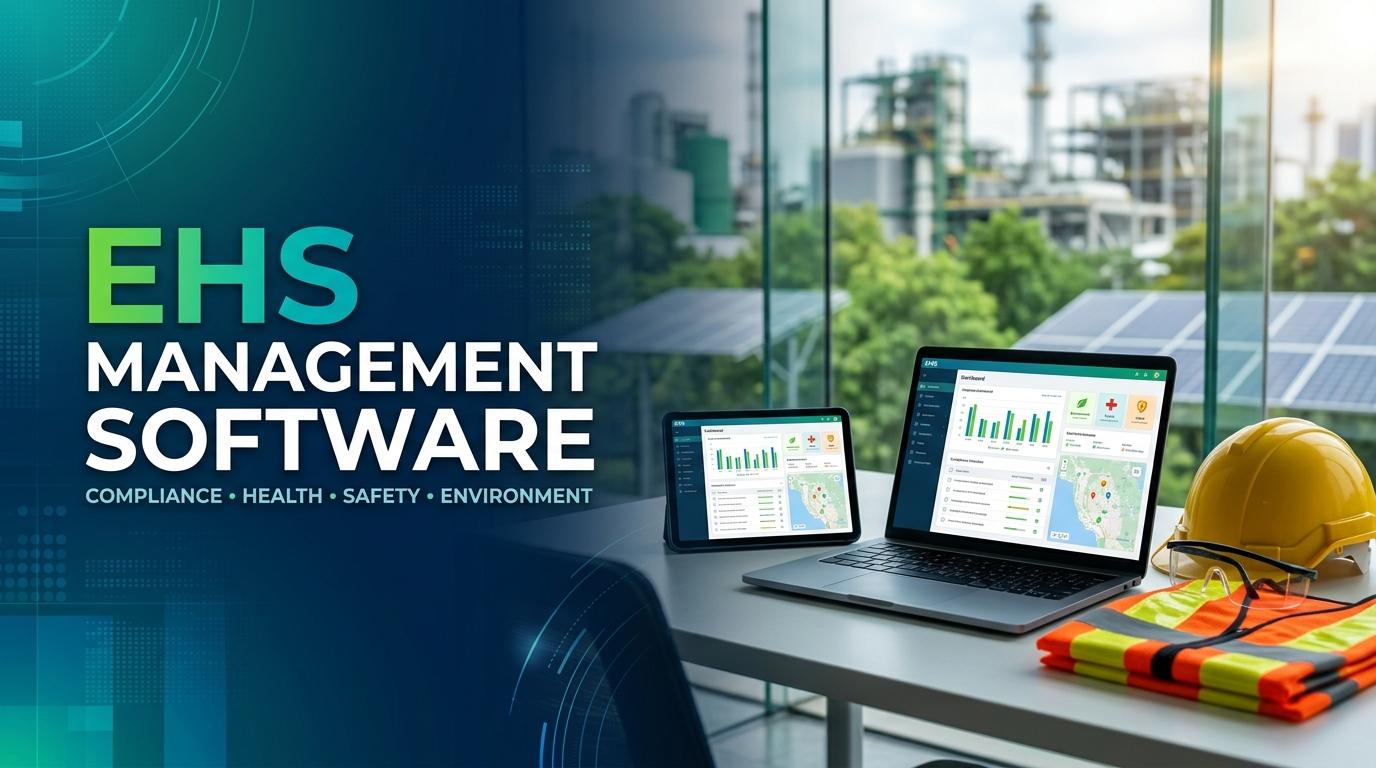
Managing workplace hazards, environmental responsibilities, and safety requirements takes consistent effort from employees, supervisors, and management. EHS Management Software helps organizations coordinate environmental, health, and safety activities through a centralized digital platform. Instead of relying on separate spreadsheets, paper inspection forms, and scattered incident records, businesses can use one system to report hazards, assess risks, track corrective actions, and maintain compliance documentation. Whether you operate a manufacturing facility, construction site, warehouse, office, or industrial plant, the right software can help your team manage safety responsibilities more consistently and make informed decisions about workplace risks.
Environmental health and safety is not limited to preventing employee injuries. Organizations may also need to manage chemical handling, waste disposal, environmental monitoring, equipment safety, employee training, and regulatory requirements. A structured digital process helps connect these responsibilities and gives managers a clearer view of outstanding issues.
What Is EHS Management Software
EHS Management Software is a digital solution designed to help organizations manage environmental, health, and safety processes.
The software brings different activities into one organized environment, allowing employees and safety professionals to record information, assign responsibilities, and monitor progress.
Depending on the platform, common features may include
-
Hazard identification and reporting
-
Workplace risk assessments
-
Incident and near miss reporting
-
Safety inspections and audits
-
Corrective action tracking
-
Employee training records
-
Environmental monitoring
-
Compliance documentation
-
Safety performance reporting
-
Chemical and waste management
The features required by a small office may differ from those needed by a chemical plant or construction company. Businesses should select a solution according to their industry, operational risks, workforce, and applicable legal requirements.
The purpose is not simply to replace paperwork with digital forms. It is to help organizations identify problems, assign responsibility, follow up on actions, and maintain reliable records.
Why Workplace Safety and Compliance Matter
Every workplace has hazards that need appropriate attention. In a warehouse, workers may face risks from forklifts, falling materials, and manual handling. A manufacturing facility may involve moving machinery, heat, chemicals, and noise. Offices also have risks, including electrical hazards, blocked emergency exits, and unsuitable workstation arrangements.
At the same time, organizations must understand the environmental and safety requirements that apply to their activities.
Workplace safety and compliance require more than having policies available in a folder. Employees need to follow suitable procedures, managers must review workplace conditions, and identified problems must be addressed.
EHS Management Software helps organize these activities by keeping relevant records accessible and making responsibilities easier to track.
For example, if an inspection identifies a damaged machine guard, the finding can be recorded and assigned to the appropriate team. The safety manager can monitor the corrective action and verify that the issue has been addressed.
This creates a clearer connection between identifying a risk and taking action to control it.
Hazard Identification and Workplace Risk Management
Hazard identification is one of the first steps in preventing workplace incidents.
Employees often notice unsafe conditions while performing their regular duties. They may identify leaking chemicals, damaged equipment, exposed wiring, poor ventilation, unsafe storage, or missing protective equipment.
Without a reliable reporting process, these observations may remain informal comments and never reach the people responsible for resolving them.
Workplace risk management becomes more organized when employees can report hazards through a defined process.
A digital platform can help record the location of a hazard, describe the problem, attach photographs, and notify the responsible team. Safety professionals can then assess the potential consequences and determine what controls are required.
For example, a chemical storage area may require improved labeling, better ventilation, restricted access, or changes to handling procedures. The appropriate response depends on the substance, exposure risk, and workplace conditions.
Risk assessments should be reviewed when processes change, new equipment is introduced, or existing controls no longer provide adequate protection. Software can support documentation and follow-up, but qualified personnel must still make appropriate technical decisions.
How Hazard Management Software Supports Daily Operations
Hazard management software provides a structured way to record, categorize, and track workplace hazards.
Employees can submit reports, while supervisors and safety teams review the findings and decide what action is necessary. Depending on the system, hazards may be categorized by location, risk level, department, or type.
This helps managers identify which issues need immediate attention and which require planned corrective work.
A hazard record may include
-
Description of the hazard
-
Location and date identified
-
Potential consequences
-
Risk classification
-
Existing control measures
-
Assigned person or department
-
Required corrective action
-
Target completion date
-
Current status
These details make it easier to monitor unresolved issues and review recurring problems.
For instance, if several departments report similar slipping hazards, management can investigate whether cleaning procedures, flooring conditions, or inspection practices need to change.
The goal is to address the underlying causes rather than repeatedly treating the same problem as an isolated event.
Incident Reporting and Investigation
Workplace incidents should be documented accurately so organizations can learn from what happened and reduce the likelihood of similar events.
Incident reporting software helps employees and supervisors record injuries, near misses, property damage, environmental incidents, and other safety-related events.
A report can capture the date, location, people involved, event description, immediate response, and supporting evidence. Authorized personnel can then investigate contributing factors and recommend appropriate corrective measures.
Consider a situation where a worker slips near a production area. The investigation may need to examine whether a liquid spill, drainage issue, cleaning schedule, or missing warning sign contributed to the incident.
Near misses also deserve attention because they can reveal weaknesses in safety controls even when no injury occurs.
When organizations review incident records consistently, they can identify patterns and use the findings to improve procedures, equipment arrangements, and employee training.
Reporting should be encouraged without unnecessary barriers so employees feel comfortable raising genuine safety concerns.
Managing EHS Compliance Requirements
Organizations may need to comply with environmental, occupational health, and safety requirements that vary by country, industry, and type of operation.
Managing these responsibilities can become difficult when inspection records, permits, training documents, environmental reports, and corrective actions are stored in separate locations.
EHS compliance management helps organizations organize these obligations and monitor the activities required to meet them.
EHS Management Software can support compliance by maintaining relevant documents, tracking scheduled inspections, recording training completion, and highlighting outstanding tasks.
For example, a facility may use the system to monitor the review dates of safety procedures or keep records of required environmental inspections.
These capabilities can help safety teams prepare for internal reviews and provide supporting records when required.
However, software does not automatically guarantee compliance. Organizations must identify the requirements that apply to their operations, interpret them correctly, maintain accurate records, and verify that their actual practices meet the required standards.
Environmental Health and Safety Software for Environmental Risks
EHS programs also address environmental responsibilities associated with business operations.
Depending on the facility, these may include chemical storage, waste handling, wastewater management, air emissions, spills, and the use of hazardous materials.
Environmental health and safety software can help teams record environmental observations, monitor relevant activities, and maintain documentation related to environmental controls.
For example, a manufacturing facility may need to document a chemical spill, record the response, investigate its cause, and assign actions to prevent a similar event.
Environmental monitoring may also involve collecting measurements from approved monitoring equipment or recording the results of inspections and tests.
The software can help organize this information and make it easier to review historical records. However, it does not replace appropriate sampling methods, qualified environmental assessments, or the technical equipment needed to monitor specific conditions.
Businesses should configure their environmental workflows according to their activities and applicable environmental requirements.
Safety Audit Management and Corrective Actions
Safety audits help organizations determine whether workplace procedures are being followed and whether existing controls remain suitable.
An audit may identify missing documentation, inconsistent inspection practices, overdue training, or unsafe working conditions. The next step is to make sure the findings are addressed.
Safety audit management tools can help schedule audits, record findings, assign corrective actions, and monitor completion.
For example, an audit may reveal that emergency equipment checks are not being documented consistently. The safety manager can assign responsibility, establish a suitable deadline, and review the records once the process has been corrected.
Corrective action tracking can also help management identify recurring findings. If the same issue appears in multiple audits, the organization may need to investigate why earlier actions were ineffective.
A useful process includes verification where necessary. Marking an action as complete should not be the only measure of success if the underlying risk remains.
Improving EHS Reporting and Performance Monitoring
Safety and environmental data can help managers determine whether their procedures are working as intended.
EHS Management Software may provide reports covering
-
Reported hazards and incidents
-
Near miss trends
-
Open and overdue corrective actions
-
Completed safety inspections
-
Training completion rates
-
Audit findings
-
Environmental incidents
-
Outstanding compliance activities
These indicators should be reviewed together rather than interpreted in isolation.
For example, an increase in hazard reports may indicate that employees have become more willing to report unsafe conditions. It does not necessarily mean workplace safety has deteriorated.
Similarly, a low incident count does not prove that every risk is under control.
Managers should combine software reports with workplace inspections, employee feedback, incident investigations, and environmental assessments. This provides a more complete picture of performance and helps teams decide where further action is needed.
Choosing the Right EHS Management Software
Not every organization needs the same EHS capabilities. Before selecting a platform, consider your industry, workforce, environmental responsibilities, safety procedures, and reporting requirements.
Important factors include
Ease of Use
Employees should be able to report hazards, complete inspections, and submit incident information without unnecessary complexity.
Customizable Workflows
The platform should support your organization's risk categories, approval processes, audit procedures, and corrective action requirements.
Reporting and Analytics
Managers should be able to review safety performance, identify recurring problems, and monitor overdue tasks.
Document Management
The system should help authorized users locate current procedures, inspection records, training documents, and compliance evidence.
Mobile Access
Mobile functionality can help employees record observations and complete inspections while working on site.
Security and Integration
Consider access permissions, data protection, and the ability to integrate with existing business systems where required.
Before choosing a solution, test it against real workplace scenarios and confirm that the proposed workflows fit your organization's daily activities.
Final Thoughts on Workplace Safety and Compliance
EHS Management Software helps organizations bring environmental responsibilities, workplace risk management, incident reporting, safety audits, and compliance documentation into one structured process.
When employees can report hazards easily and managers can track corrective actions, organizations gain better visibility into the issues that require attention. Digital records can also help teams identify recurring problems and evaluate whether safety procedures are working effectively.
The software itself does not create a safe workplace. Effective procedures, employee training, leadership, technical expertise, and consistent follow-up remain essential.
If your organization wants to strengthen its EHS program, begin by reviewing how hazards are reported, how risks are assessed, and how safety and environmental actions are tracked. Identify the gaps in your current process and choose software that addresses those needs.
With the right combination of EHS tools and practical management procedures, businesses can maintain more reliable records, respond more consistently to risks, and support stronger workplace safety and environmental compliance.
 Dutch
Dutch
 English
 Arabic
 French
 Spanish
 Portuguese
 Deutsch
 Turkish
 Italiano
 Russian
 Romaian
 Portuguese (Brazil)
 Greek
Greek