
 LMS
LMS
 Reels Series
How Can Expert Sod Installation in Landscaping GA Help You Create a Healthier Lawn?
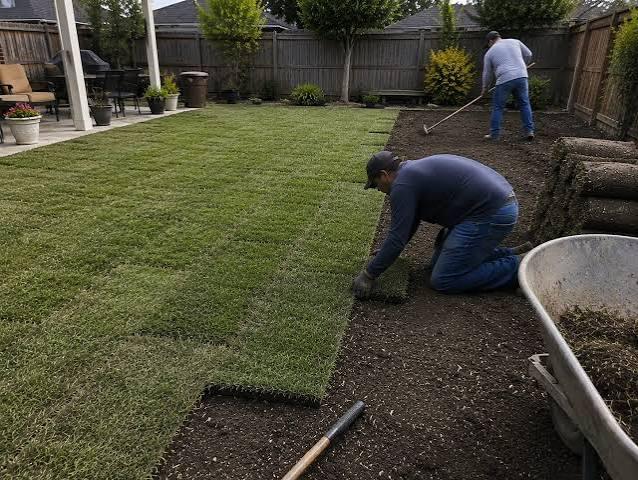
A green, healthy lawn can transform the appearance of a residential property or commercial landscape. However, achieving a beautiful lawn involves more than purchasing grass and laying it across the yard. Soil conditions, drainage, grass selection, installation techniques, and ongoing maintenance all influence how successfully new sod grows.
Expert Sod Installation in Landscaping GA is an important consideration for property owners who want to establish a lawn that looks attractive and develops strong roots. Professional planning can help address common landscaping challenges, including compacted soil, uneven ground, standing water, bare patches, and grass that struggles to establish itself.
Georgia's climate also makes choosing the right turfgrass particularly important. Warm-season grasses such as Bermuda, Zoysia, Centipede, and St. Augustine have different requirements for sunlight, soil conditions, watering, and maintenance. Selecting a suitable variety for the property can make a meaningful difference in long-term lawn performance.
Whether you are improving your home's curb appeal, completing a new construction project, or refreshing a commercial landscape, understanding the sod installation process can help you make better decisions.
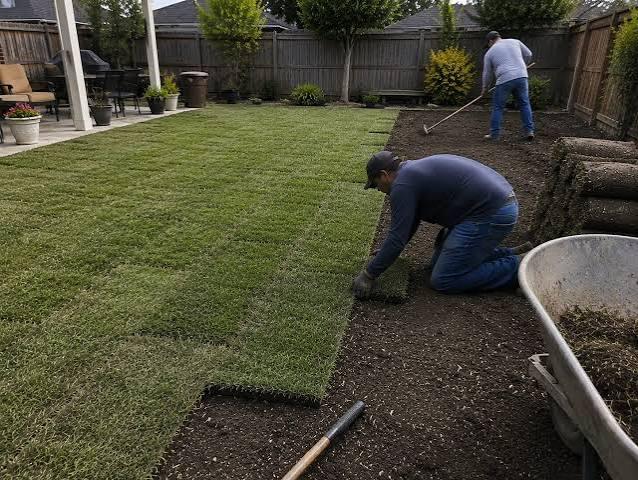
What Is Expert Sod Installation in Landscaping GA?
Sod installation involves placing sections of mature grass, together with their root systems and a thin layer of soil, over prepared ground. Unlike grass seed, which requires time to germinate and develop into a lawn, sod provides immediate ground coverage once installed.
However, immediate coverage does not mean the lawn is fully established. The grass must develop roots into the underlying soil before it can tolerate normal foot traffic, mowing, and environmental stress.
Professional sod installation generally includes evaluating the property, preparing the soil, selecting appropriate turfgrass, grading the ground, laying the sod, and providing establishment instructions.
The quality of each step affects the result. For example, installing fresh sod over hard, compacted construction soil can restrict root development. Similarly, placing sod over an uneven surface may leave depressions where water collects.
A successful installation therefore focuses on creating the right growing conditions rather than simply covering the ground with grass.
Why Should Georgia Property Owners Consider Professional Sod Installation?
Georgia properties experience varying soil conditions, rainfall patterns, sunlight exposure, and seasonal temperatures. These factors can make lawn establishment more complicated than it initially appears.
Professional planning can help property owners avoid several common mistakes.
1. Better Soil Preparation
Soil preparation is one of the most important parts of establishing a healthy lawn. Construction activities often leave behind compacted subsoil, gravel, debris, or uneven areas that are unsuitable for grass roots.
A proper preparation process involves removing unwanted material, assessing soil conditions, loosening compacted ground where appropriate, and correcting grading problems.
A soil test can also help identify whether the soil requires adjustments to its pH or nutrient levels. Rather than applying lime or fertilizer without knowing what is needed, property owners can use test results to make informed decisions.
The University of Georgia Cooperative Extension recommends preparing the soil properly and selecting turfgrass suited to local growing conditions. These steps help support root development and long-term lawn health.
2. A More Even and Attractive Lawn
Uneven ground can affect the appearance and usability of a landscape. Low spots may collect water, while raised areas can create difficulties during mowing.
Before installing sod, the ground should be graded to create a suitable surface and encourage water to move away from buildings where appropriate.
Professional installation can help align the new lawn with existing walkways, driveways, planting beds, and other landscape features. This creates a more cohesive appearance and reduces the likelihood of visible gaps or uneven transitions.
3. Improved Root Establishment
Sod needs close contact with the prepared soil beneath it. Air pockets, dry ground, and loose placement can interfere with the movement of moisture into the roots.
Experienced installers pay attention to how each piece fits against neighboring pieces and the soil surface. They also avoid stretching the sod or leaving large gaps between sections.
After placement, rolling the lawn appropriately helps improve contact between the sod and the soil. Combined with proper watering, this encourages the roots to establish.
4. More Efficient Use of Time and Materials
Installing sod without measuring the lawn or preparing the site can lead to unnecessary waste. Incorrect measurements may result in too much material, shortages during installation, or additional work to correct poorly fitted sections.
Planning the project in advance helps estimate the amount of sod required and identify obstacles such as trees, irrigation components, garden beds, and irregular boundaries.
For homeowners balancing work and family responsibilities, professional assistance can also reduce the time spent coordinating materials, equipment, preparation, and installation.
Which Sod Types Are Suitable for Landscaping in Georgia?
Choosing the correct grass variety is an important decision because different turfgrasses perform differently under Georgia's growing conditions.
The best option depends on sunlight, intended lawn use, soil drainage, maintenance expectations, and the property's location.
Bermuda Grass
Bermuda grass is a popular warm-season turfgrass that generally performs well in sunny areas. It is often considered for lawns that receive substantial sunlight and experience regular activity.
Its growth characteristics can make it suitable for some residential and commercial landscapes. However, Bermuda generally requires adequate sunlight and regular mowing to maintain its appearance.
It may be less suitable for heavily shaded areas beneath mature trees.
Zoysia Grass
Zoysia grass is another warm-season option valued for its relatively dense growth. Depending on the variety and growing conditions, it can provide a uniform lawn with a different texture and maintenance profile from Bermuda.
Property owners should consider its establishment characteristics, sunlight requirements, and mowing needs before choosing a variety.
Zoysia can be a useful option when the goal is a dense, attractive lawn, but the specific cultivar matters.
Centipede Grass
Centipede grass is often considered by homeowners seeking a relatively low-maintenance warm-season lawn. It has particular soil and fertility requirements, so it is important to understand whether the property provides suitable conditions.
Applying excessive fertilizer or selecting an unsuitable site can create maintenance problems. A soil test and appropriate lawn-care plan can help guide the decision.
St. Augustine Grass
St. Augustine grass is another warm-season turfgrass option. Some varieties tolerate partial shade better than many Bermuda varieties, although performance still depends on the amount of sunlight, soil conditions, and local climate.
It is important not to assume that any grass variety will thrive in deep shade. Where sunlight is limited, evaluating the site before purchasing sod can help prevent disappointing results.
Practical tip: Before selecting sod, compare the grass varieties available from reputable local suppliers and ask about their suitability for your property's growing conditions. Keep a record of the exact variety installed so that future repairs and maintenance can be planned consistently.
How Does the Professional Sod Installation Process Work?
Understanding the installation sequence helps homeowners recognize why preparation and aftercare are just as important as laying the grass.
Step 1: Evaluate the Property
The first step is assessing the lawn area. This includes measuring the space, identifying slopes, checking drainage, examining sunlight exposure, and looking for potential obstacles.
Existing grass, weeds, roots, rocks, and construction debris may also need attention.
The assessment helps determine the preparation work required and whether the planned grass variety is appropriate for the site.
Step 2: Prepare the Soil
The ground is cleared of unwanted vegetation and debris. Compacted soil may need to be loosened, and suitable amendments can be incorporated according to soil test recommendations.
In many parts of Georgia, clay-heavy or compacted soil can create challenges for water movement and root development. Adding materials without assessing the soil can sometimes make conditions worse, so amendments should be selected carefully.
The goal is to establish a suitable rooting environment rather than simply covering the existing ground.
Step 3: Grade and Level the Area
The prepared ground is shaped to create a reasonably smooth surface and appropriate drainage.
This stage is particularly important around foundations, sidewalks, driveways, and existing landscape features. Water should not be directed toward buildings or allowed to collect in persistent puddles.
Final grading also helps the finished lawn look more uniform.
Step 4: Inspect the Sod Before Installation
Fresh, healthy sod is essential. Look for a reasonably uniform covering of grass, strong-looking turf, and no obvious signs of severe drying, waterlogging, pests, or disease.
Sod that has been sitting on pallets for too long can suffer from heat and moisture stress. Arranging delivery close to the installation date helps reduce this risk.
Where available, certified sod can offer additional confidence in varietal identity and quality.
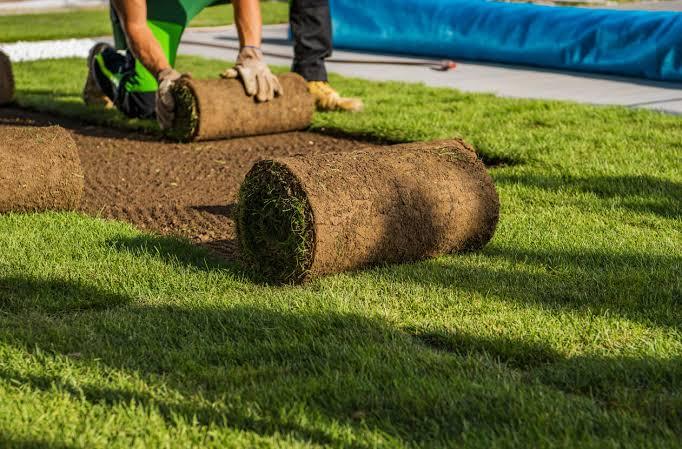
Step 5: Lay the Sod Correctly
Installation generally begins along a straight edge, such as a driveway or walkway. Individual pieces are placed tightly together, with joints staggered between rows in a brick-like pattern.
Large gaps can dry out and allow weeds to develop. Overlapping pieces can create uneven surfaces.
On slopes, sod is typically laid across the slope rather than directly down it, helping reduce the risk of sections moving before the roots establish.
Step 6: Water Immediately
New sod should be watered promptly after installation. The goal is to moisten the sod and underlying soil sufficiently to support root establishment without creating prolonged waterlogged conditions.
University of Georgia guidance emphasizes watering soon after installation and maintaining moisture during the early establishment period.
The exact schedule depends on weather, soil texture, grass type, and drainage. Hot, dry, or windy conditions may require closer monitoring than cool, rainy conditions.
Step 7: Monitor Root Development
During the first couple of weeks, the new lawn needs particular attention. Check the edges and seams for drying, observe whether the ground remains appropriately moist, and look for areas that are not establishing evenly.
Avoid unnecessary foot traffic and heavy use while the roots are developing.
As the sod becomes established, watering can gradually shift toward deeper, less frequent irrigation, adjusted for rainfall and local conditions.
When Is the Best Time to Install Sod in Georgia?
The best installation period depends on the grass variety and the property's local conditions.
Warm-season grasses such as Bermuda, Zoysia, Centipede, and St. Augustine generally establish most actively during warm growing weather. Late spring through summer is often favorable for these varieties when adequate irrigation is available.
Cool-season grasses, including tall fescue, have different seasonal requirements. Fall is commonly a favorable establishment period for tall fescue in Georgia.
Winter installation of warm-season sod is possible in some circumstances, but it can carry additional risks because the grass may be dormant and vulnerable to drying or cold injury. Site preparation, irrigation, and weather conditions become especially important.
Rather than choosing a date based only on convenience, consider the grass type, soil temperature, expected weather, and ability to water consistently.
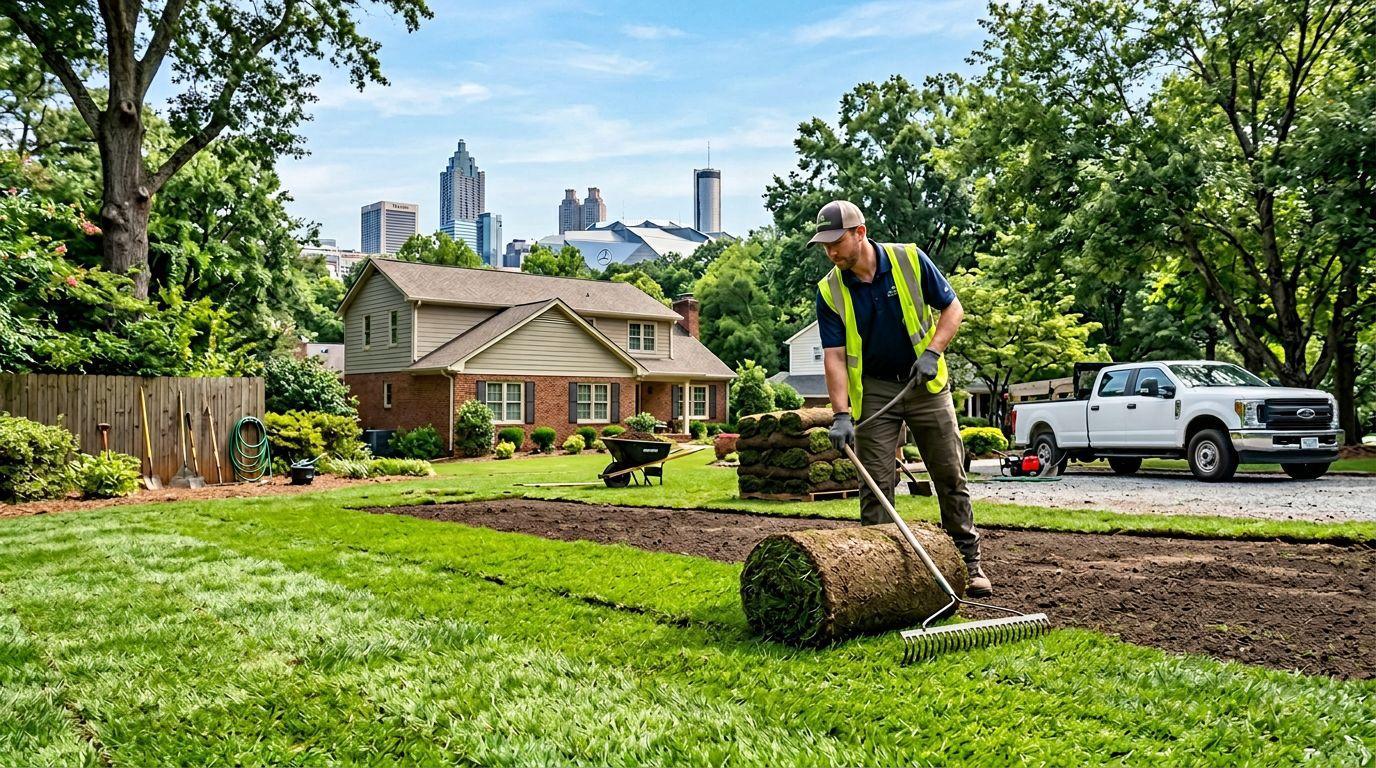
What Common Sod Installation Mistakes Should You Avoid?
A new lawn can struggle even when the sod initially looks healthy. Several preventable mistakes can interfere with establishment.
Installing sod on unprepared soil: Compaction, debris, and unsuitable soil conditions can restrict root development.
Ignoring drainage: Persistent standing water can damage turf and may indicate a grading or drainage problem that should be addressed before installation.
Leaving gaps between pieces: Exposed seams can dry out and create opportunities for weeds to grow.
Allowing sod to dry out: Newly installed grass has not yet developed a strong root connection with the underlying soil, making moisture management essential.
Overwatering without checking drainage: Constantly saturated soil can create problems just as insufficient watering can.
Mowing too early: Cutting before the roots are sufficiently established can disturb the sod. The first mowing should be based on rooting progress and the recommended height for the selected grass.
Using the wrong grass for the site: A variety that requires full sun may struggle in a shaded yard, regardless of installation quality.
Avoiding these mistakes can improve the likelihood of establishing a uniform and resilient lawn.
How Much Does Sod Installation Cost in Georgia?
The cost of sod installation varies according to the size of the lawn, grass variety, material quality, soil conditions, accessibility, and amount of preparation required.
A relatively level yard with suitable soil may need less preparation than a property with compacted construction ground, substantial grading issues, or drainage concerns.
The total project estimate may include:
· Sod materials and delivery.
· Removal of existing grass or unwanted vegetation.
· Soil preparation and amendments.
· Grading and leveling.
· Installation labor and equipment.
· Initial watering and irrigation adjustments.
· Additional landscaping or drainage work, if needed.
When comparing estimates, ask whether soil preparation, delivery, grading, cleanup, and installation are included. A lower initial quote may not represent the best overall value if essential preparation is excluded.
It is also useful to ask how the contractor recommends handling watering, the first mowing, and any visible establishment problems.
How Can You Maintain Your New Sod After Installation?
Proper aftercare is essential for helping new sod develop a healthy root system.
Follow a Suitable Watering Schedule
Keep the sod and underlying soil appropriately moist during the initial establishment period. Check moisture rather than relying only on a fixed timer, and adjust irrigation to account for rainfall, temperature, wind, and soil conditions.
Once roots begin to establish, gradually reduce watering frequency while applying enough water to support deeper root growth.
Avoid unnecessary irrigation when rainfall has already supplied adequate moisture.
Wait Before Heavy Use
Limit foot traffic, pets, and recreational activity until the grass has rooted firmly. Walking on soft, newly installed sod can create depressions and disturb the seams.
A simple way to assess establishment is to gently test a small edge. If the sod lifts easily, the roots may need more time.
Mow at the Appropriate Height
Different grass varieties require different mowing heights. Wait until the lawn is sufficiently rooted and the grass reaches an appropriate height before mowing.
Use a sharp mower blade and avoid removing too much of the grass at once. Cutting too short can stress the lawn and reduce its ability to maintain healthy growth.
Fertilize According to Need
Do not assume that more fertilizer will make a new lawn establish faster. Excessive or incorrectly timed applications can damage grass or contribute to nutrient loss.
Use soil test results and grass-specific recommendations to determine the appropriate fertilizer and application timing.
Monitor for Early Problems
Watch for persistent puddles, dry edges, yellowing, unusual patches, or areas where the sod remains loose. These signs may indicate watering problems, poor soil contact, drainage issues, or other stresses.
Addressing problems early can help prevent isolated issues from spreading across the lawn.
How Can Sod Installation Improve Your Overall Landscape Design?
A lawn is only one part of a successful landscape. Its appearance and performance also depend on how it works with the surrounding outdoor space.
A well-planned sod installation can complement trees, ornamental plants, flower beds, walkways, patios, and outdoor living areas.
For residential properties, healthy turf can create a cleaner transition between the house and the garden. For commercial properties, an evenly maintained lawn can contribute to a more organized and welcoming exterior.
However, grass should not be installed indiscriminately. Areas with persistent shade, poor drainage, heavy foot traffic, or steep slopes may benefit from alternative landscaping solutions.
For example, a shaded area beneath mature trees might be better suited to shade-tolerant planting or a designed mulch bed, depending on the site. Similarly, a persistent drainage problem should be corrected rather than hidden beneath new sod.
Thinking about the entire landscape before beginning installation can help property owners make more practical and lasting improvements.
How Do You Choose a Sod Installation Professional in Georgia?
Selecting a contractor involves more than comparing prices. Look for a provider who can explain the installation process and answer questions about the site's specific requirements.
Before making a decision, consider asking:
· Which grass varieties are suitable for my property's sunlight and soil conditions?
· Will you inspect the soil and drainage before installation?
· What site preparation is included in the estimate?
· How fresh is the sod, and where is it sourced?
· What watering schedule should I follow after installation?
· When should I expect the lawn to become firmly rooted?
· What maintenance will be needed during the first month?
· How will grading or drainage problems be handled if they are identified?
A reliable professional should explain the advantages and limitations of the recommended grass instead of promising that one variety will work in every yard.
Look for a clear written estimate, defined project scope, realistic expectations, and practical aftercare instructions.
Conclusion
Expert Sod Installation in Landscaping GA involves much more than laying grass across an outdoor space. Proper soil preparation, appropriate grass selection, accurate grading, fresh sod, careful installation, and consistent watering all contribute to successful lawn establishment.
For Georgia property owners, understanding these factors can help prevent common problems and support a lawn that complements the rest of the landscape.
Before beginning your project, evaluate the condition of your soil, the amount of sunlight the area receives, and any drainage concerns. Choose a grass variety suited to those conditions and prepare a realistic maintenance plan.
By approaching sod installation as a complete landscaping project rather than a quick surface upgrade, you can make better decisions about your property's outdoor space and improve the chances of achieving a healthy, attractive lawn.
Frequently Asked Questions (FAQs)
1. What is expert sod installation in landscaping?
Expert sod installation is the process of preparing the soil, selecting appropriate grass, placing sod correctly, and managing early watering and establishment. The goal is to help the grass develop strong roots and create an even lawn.
2. How long does sod take to establish in Georgia?
Many lawns begin rooting within approximately two weeks under favorable conditions, but complete establishment varies by grass type, weather, soil, and maintenance. Check root development before allowing heavy use or beginning regular mowing.
3. Which grass is best for sod installation in Georgia?
Bermuda, Zoysia, Centipede, and St. Augustine are common warm-season options. Tall fescue is another option in suitable locations. The best choice depends on sunlight, soil conditions, local climate, intended use, and maintenance preferences.
4. Can sod be installed during the summer in Georgia?
Yes, summer installation can work, particularly for warm-season grasses. However, hot weather increases the risk of drying, so fresh sod must be installed promptly and watered appropriately. Weather, irrigation availability, and site conditions should guide scheduling.
5. How often should new sod be watered?
New sod needs frequent moisture during initial establishment, but the schedule depends on weather, soil, grass variety, and drainage. Check the moisture beneath the sod, account for rainfall, and avoid keeping the soil continuously saturated.
6. Should the soil be prepared before laying sod?
Yes. Remove debris and unwanted vegetation, assess soil conditions, correct grading problems, and loosen compacted soil where necessary. Soil testing can help determine whether lime or fertilizer is needed.
7. How can I tell if newly installed sod is taking root?
The sod should become increasingly difficult to lift gently at an edge as its roots grow into the soil. New growth and stable seams can also indicate progress. If sections remain loose or dry, investigate moisture, soil contact, and other site conditions.
8. Is professional sod installation worth the cost?
It can be worthwhile when the project involves difficult grading, compacted soil, drainage concerns, large areas, or limited time for preparation. A professional assessment may help identify problems before the grass is installed and reduce avoidable rework.
9. Does sod installation eliminate lawn maintenance?
No. Sod provides immediate grass coverage, but it still requires appropriate watering, mowing, seasonal care, and monitoring for weeds or disease. Good maintenance helps preserve the lawn after the roots have established.
10. What should I ask before hiring a sod installation contractor?
Ask about grass selection, soil preparation, grading, drainage, sod freshness, project costs, watering instructions, and the expected establishment period. A detailed estimate and clear aftercare guidance help you understand what the project includes.
Article written By: Rank Business Listings

 English
 Arabic
 French
 Spanish
 Deutsch
 Turkish
 Dutch
Dutch
 Italiano
 Russian
 Romaian
 Portuguese (Brazil)
 Greek
Greek