
 LMS
LMS
 Reels Series
Local SEO vs Social Media: Which Is Better for Small Businesses?
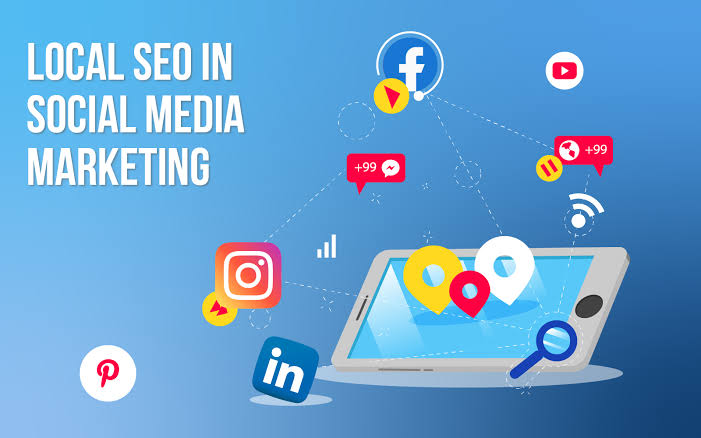
Ask ten small business owners where to put their marketing time and you’ll get ten confident, contradictory answers. One swears by Instagram. Another says nothing beats showing up on Google Maps. Both have the sales to prove it, which is exactly why the question is so confusing.
The honest answer is that it depends on what you sell and how your customers decide. Some owners work this out with the best digital marketing agency Karachi has to offer, while others test it themselves, but either way you need a clear way to compare the two before you commit your time and budget. This post puts local SEO and social media side by side, shows where each one wins, and helps you decide which deserves your attention first.
A Quick Definition of Each
Local SEO is the work of showing up when people search for a business like yours in a specific area. It covers your Google Business Profile, reviews, local listings, location pages and the way your website appears for searches like “dentist near me” or “AC repair in Gulshan.”
Social media marketing is the work of building attention and relationships on platforms such as Instagram, Facebook, TikTok, LinkedIn and YouTube. It covers posts, videos, stories, community engagement and paid ads on those platforms.
They sound similar because both aim to put you in front of customers. The difference is when that happens.
The Core Difference: Intent vs Interruption
This is the single most useful way to think about it.
Local SEO catches people who are already looking. Someone types “emergency plumber near me” because a pipe has burst. They don’t want to be entertained. They want a phone number, and they’ll call one of the first three results.
Social media reaches people who weren’t looking. Someone scrolling Instagram sees a short video of a stunning cake and suddenly wants one. They didn’t plan to buy, but you created the desire.
Search captures existing demand. Social media creates new demand. Both are valuable, but they behave very differently, and that shapes everything below.
Head-to-Head Comparison
| Local SEO | Social Media | |
|---|---|---|
| Customer mindset | Ready to buy or book | Browsing, not yet decided |
| Speed of results | Slower, builds over months | Can be quick, but fades quickly |
| Cost over time | Low once set up | Ongoing time or ad spend |
| Lead quality | High intent | Mixed, needs nurturing |
| Content lifespan | Long, keeps working | Short, feed moves on |
| Best for | Services and local shops | Visual, impulse or lifestyle products |
| Brand building | Moderate | Strong |
Neither column wins outright, which is the point. They solve different problems.
Where Local SEO Wins
1. It reaches buyers at the right moment
People who search locally are usually close to a decision. Studies consistently show that a large share of local searches lead to a call, visit or purchase soon after. That makes the leads warmer than most social media followers.
2. It keeps working without daily effort
A well-optimized Google Business Profile with strong reviews keeps bringing in customers for months. You’ll still need upkeep, but you don’t have to produce something new every day to stay visible.
3. It builds trust through reviews
Reviews are the heart of local search. A shop with two hundred honest reviews feels safer than one with a flashy feed and no feedback. AI-driven recommendations also lean on reviews and profile completeness, which strengthens this advantage.
4. It’s cost-efficient
Claiming your profile, collecting reviews and fixing your listings costs time more than money. For a small budget, the return per rupee is often higher than paid social.
Where Social Media Wins
1. It builds awareness quickly
If nobody knows your business exists, search can’t help you yet, because no one is looking for your name. Social media introduces you to people who match your ideal customer, even before they know they need you.
2. It works well for visual and impulse products
Fashion, food, beauty, home decor, events and creative services thrive on social platforms. A single good video can trigger a sale that no search result ever would.
3. It humanizes your brand
Behind-the-scenes clips, team introductions and honest answers to questions help people feel they know you. That personal connection builds loyalty and encourages word of mouth.
4. It creates a direct line to customers
Comments, messages and stories let you talk to your audience and learn what they want. Few channels give you feedback this quickly.
Where Each One Falls Short
Local SEO limitations. It’s slower to start, and it depends on people already searching. If your product is new or unusual, few people will search for it. It also offers less room for personality.
Social media limitations. Reach can drop without warning when algorithms change. Content has a short life, so you must keep posting. Followers aren’t customers, and a big audience may not translate into sales. Without paid promotion, organic reach for business pages is often modest.
Knowing these weak points helps you set realistic expectations for each channel.
Which One Should You Choose? A Simple Guide
Instead of picking a winner in the abstract, match the channel to your business.
Start with local SEO if you:
- Offer a service people urgently need, such as plumbing, repairs, clinics, legal help or cleaning
- Depend on customers from a specific area
- Sell something people actively search for
- Have a small budget and need steady, reliable leads
Start with social media if you:
- Sell visual, trend-driven or impulse products, such as fashion, food, beauty or gifts
- Are launching something new that people don’t know to search for
- Want to build a community or personal brand
- Have a creative strength, like video or design
Do both, in this order, if you:
- Run a restaurant, salon, gym or boutique, where discovery and search both matter
- Want long-term growth rather than a quick spike
How the Two Work Together
Treating them as rivals misses the best part. They strengthen each other.
- Social media gets people to notice you. Local SEO makes it easy for them to find you again when they’re ready.
- A strong social following leads to more branded searches, which helps your search visibility.
- Reviews gathered through local SEO make great social proof for your posts.
- Photos and videos made for social media can improve your Google Business Profile.
- A customer who sees you on Instagram will often Google your name before visiting, so your profile and reviews need to be in good shape.
Think of social media as the introduction and local search as the handshake.
A Practical Plan for Limited Time and Budget
Most small businesses can’t do everything, so here is a sensible order of operations.
Month 1: Lock in the local basics.
- Claim and complete your Google Business Profile
- Add real photos, services and accurate hours
- Fix inconsistent listings across the web
- Start asking happy customers for reviews
Month 2: Choose one social platform.
- Pick the platform where your customers actually spend time
- Post short, genuine content two to three times a week
- Reply to every comment and message quickly
Month 3: Connect and measure.
- Link your social profiles to your website and business profile
- Add a clear call to action, such as calling, booking or messaging on WhatsApp
- Track where new customers say they heard about you
- Keep what works, drop what doesn’t
Mistakes to Avoid
- Trying to be everywhere. One platform done well beats five done poorly.
- Ignoring your Google profile. Many businesses pour effort into social and neglect the free listing that brings ready buyers.
- Chasing followers. Sales and calls matter more than likes.
- Buying fake reviews or followers. Both damage trust and can get you penalized.
- Posting without a goal. Every post should lead somewhere, whether that’s a call, a visit or a message.
- Giving up too soon. Local SEO often takes a few months, and social media needs consistency before it pays off.
How to Measure Each One
Use different scorecards, because they do different jobs.
For local SEO, watch calls, direction requests, website visits from your profile, review count and ranking for key local searches.
For social media, watch engagement, saves, shares, messages, profile visits and, most importantly, how many of those turn into inquiries.
For both, ask every new customer how they found you. A simple question often reveals more than any dashboard.
Final Thoughts
Local SEO and social media aren’t competing for the same job. Local SEO captures people who are ready to buy right now. Social media builds the awareness and trust that make people choose you later. If you have to pick one, choose based on how your customers decide: search-driven needs point to local SEO, and discovery-driven products point to social media.
For most small businesses, the smartest move is to start with the local foundation, then layer on one social platform and grow from there. Do a few things consistently, measure what brings real customers, and let the results guide your next step.

 English
 Arabic
 French
 Spanish
 Portuguese
 Deutsch
 Turkish
 Dutch
Dutch
 Italiano
 Romaian
 Portuguese (Brazil)
 Greek
Greek