
 LMS
LMS
 Reels Series
Used Auto Airbags: What to Know Before Choosing a Replacement
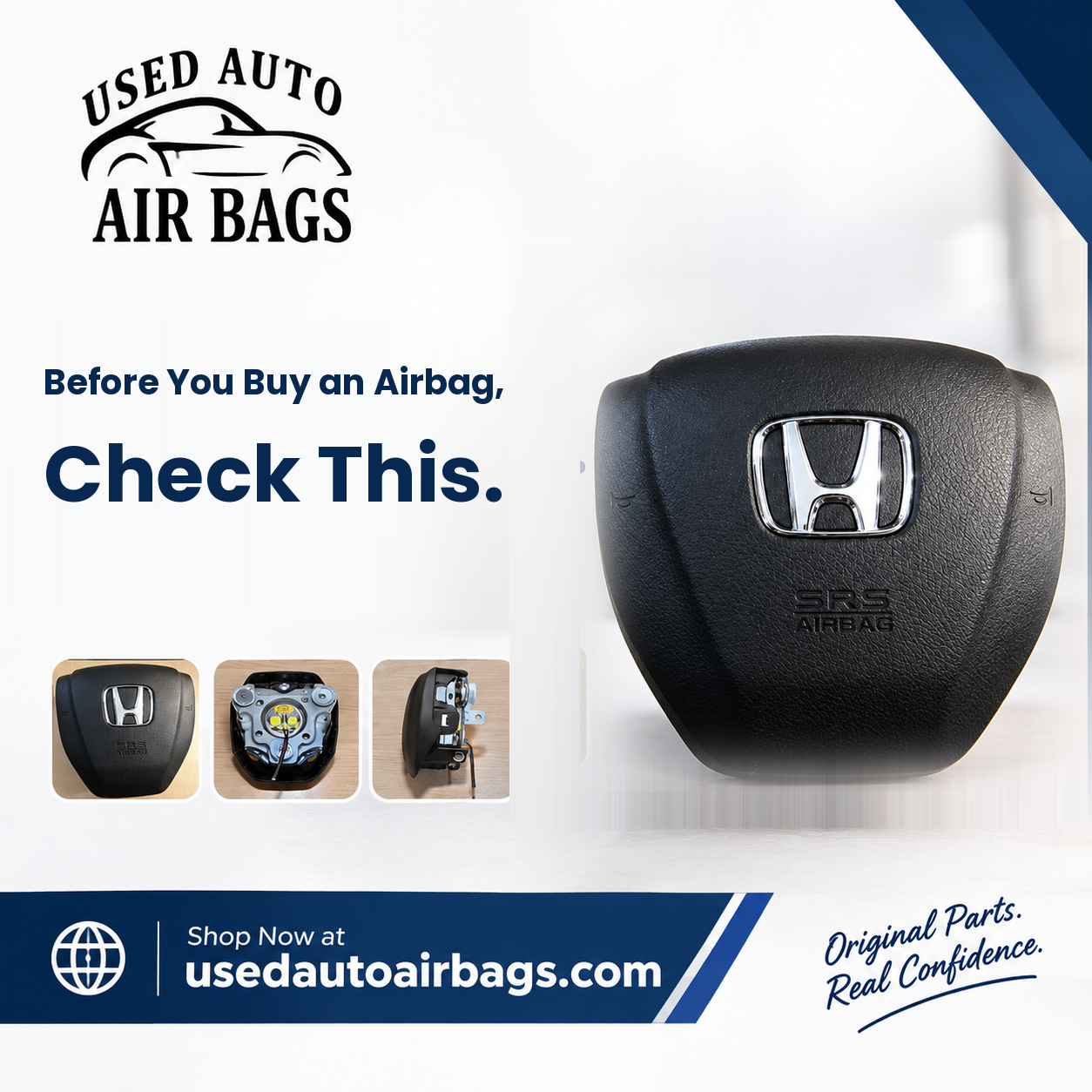
After a collision, restoring a vehicle's airbag system requires careful attention to compatibility, component condition, and professional repair procedures. Finding the correct replacement is not simply a matter of choosing a part that looks similar. The airbag must match the vehicle's specific requirements and be suitable for the intended application.
Used auto airbags are one option that vehicle owners and automotive repair professionals may research when exploring replacement components. However, because airbags are critical safety devices, buyers should understand the differences between airbag types, the importance of original equipment specifications, and the checks needed before purchasing a replacement.
Understanding Different Types of Automotive Airbags
Modern vehicles may contain several airbags positioned throughout the passenger compartment. Each type serves a specific purpose, and its location affects which replacement component is required.
Driver-side steering wheel airbags are installed in the steering wheel and provide protection for the driver during certain collisions. A replacement must match the vehicle's steering wheel configuration and the correct original part specifications.
Passenger-side dashboard airbags are generally located within the front passenger dashboard. Their compatibility can depend on the vehicle's model year, dashboard configuration, and restraint system.
Side curtain airbags extend along the side windows to help protect occupants in certain side-impact crashes and rollover events. Other vehicles may have seat-mounted side airbags or knee airbags positioned below the dashboard.
Understanding these differences helps buyers identify the specific component needed rather than ordering an airbag based only on appearance.
Why Vehicle Compatibility Matters When Buying Used Auto Airbags
One of the most important considerations when shopping for used auto airbags is accurate fitment. Vehicles from the same manufacturer can use different airbag assemblies across model years, trim levels, production configurations, and safety-system designs.
Before selecting a replacement, gather the vehicle identification number (VIN), model year, make, model, and trim information. Where available, compare the original equipment part number with the replacement listing. A matching connector or similar exterior appearance does not establish compatibility.
Buyers should also consider whether the vehicle has sustained collision damage that could affect other components of its supplemental restraint system (SRS). Sensors, wiring, control modules, seat-belt pretensioners, and other related components may require inspection or replacement according to the vehicle manufacturer's repair procedures.
What to Check Before Purchasing a Replacement Airbag
A careful purchasing process can help reduce compatibility problems and avoid unsuitable components.
-
Confirm the part number: Check the original equipment number and any approved supersessions against reliable vehicle-specific information.
-
Ask about the component's history: Determine whether its source and condition can be documented.
-
Check for damage: Look for visible damage to the housing, mounting points, connectors, or other accessible areas. Visual inspection alone cannot establish that an airbag is safe or functional.
-
Verify applicable requirements: Laws, repair standards, manufacturer recommendations, and insurance requirements may affect which replacement components can be used.
-
Arrange professional installation: Airbag modules contain potentially hazardous components. Do not attempt to test, disassemble, or install an airbag yourself. Use a qualified automotive professional who follows the manufacturer's procedures.
The National Highway Traffic Safety Administration (NHTSA) provides guidance on airbag safety, replacement, and the risks associated with defective or counterfeit components. Review its official airbag safety information before making a purchasing decision.
Finding Used OEM Airbags for Different Vehicles
Searching for used OEM airbags requires more than comparing prices. Buyers should consider the vehicle's specifications, the component's documented history, the seller's product information, and the availability of appropriate fitment assistance.
Used Auto Airbags specializes in genuine OEM used, undeployed airbags for a wide range of cars, SUVs, and trucks. Its inventory includes driver-side, passenger-side, steering wheel, dashboard, curtain, roof, and knee airbags for various vehicle makes and models.
Customers can browse available components, compare vehicle-specific details, and check compatibility before placing an order. The business also offers free shipping and 30-day returns, subject to its applicable terms.
Visit Used Auto Airbags to explore available replacement options and identify a component that matches your vehicle's requirements.
Frequently Asked Questions
Are used auto airbags compatible with every vehicle?
No. Airbag compatibility depends on the vehicle's make, model, year, trim, original equipment specifications, and restraint-system configuration. Always verify the correct application before purchasing.
What does OEM mean when referring to replacement airbags?
OEM stands for original equipment manufacturer. It refers to components associated with the vehicle's original equipment specifications. The term alone does not establish the condition, authenticity, or safety of a particular used component.
Can an undeployed airbag be assumed to be safe?
No. An airbag that has not deployed may still have damage or defects that are not visible. Its history, source, and suitability must be assessed through appropriate procedures by qualified professionals.
Should I install a replacement airbag myself?
No. Airbags and related restraint-system components can present serious hazards if handled incorrectly. Have the work performed by a qualified automotive professional following the vehicle manufacturer's repair instructions.
Conclusion
Choosing the correct replacement airbag involves careful research, accurate part identification, and attention to the entire restraint system. Although usedautoairbags may be available for many vehicle makes and models, buyers should prioritize documented component history, compatibility, applicable safety requirements, and professional installation.
By understanding the different airbag types and verifying the correct specifications before purchasing, vehicle owners and repair professionals can make more informed decisions when sourcing replacement components.

 English
 Arabic
 French
 Spanish
 Portuguese
 Deutsch
 Turkish
 Dutch
Dutch
 Italiano
 Romaian
 Portuguese (Brazil)
 Greek
Greek