
 LMS
LMS
 Reels Series
GCC Water & Wastewater Treatment Chemicals: Supporting Regional Water Security
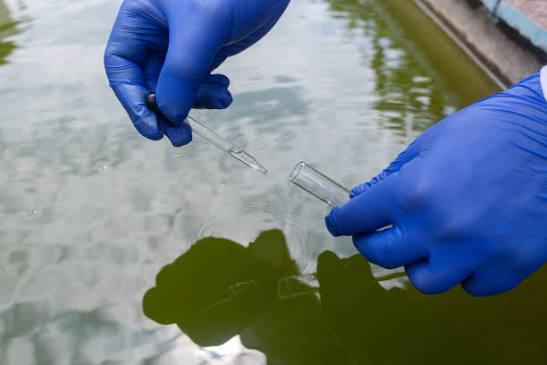
Water scarcity, rapid urbanization, industrial expansion, and growing demand for potable water are making effective water and wastewater treatment increasingly important across the Gulf Cooperation Council (GCC). Treatment chemicals play a critical role in removing contaminants, controlling microorganisms, preventing scaling and corrosion, and preparing water for safe use or discharge. As GCC countries continue expanding desalination, wastewater infrastructure, and industrial activity, reliable treatment solutions are becoming an essential part of regional water management.
The GCC Water & Wastewater Treatment Chemicals industry report examines the sector across treatment processes, chemical types, applications, end users, and GCC countries. The study highlights desalination, industrialization, strict treatment regulations, wastewater management, and the increasing need for potable and process water as important factors shaping demand.
Desalination Strengthens Chemical Requirements
Desalination is fundamental to water security across the GCC because freshwater resources are naturally limited. Treatment chemicals are used at different stages of water processing to support purification, manage contaminants, and maintain equipment performance.
Saudi Arabia has particularly extensive desalination infrastructure, creating substantial requirements for treatment chemicals. The report identifies the country's large desalination capacity and increasing focus on wastewater treatment and water reuse as important contributors to regional demand.
The International Energy Agency notes that desalination plays a particularly important role in the water-stressed Middle East and North Africa region, while also emphasizing the energy requirements associated with water production. This connection makes efficient treatment processes increasingly important for both water security and resource management.
Coagulants and Flocculants Remain Essential
Coagulants and flocculants represent a leading chemical category in the report. These chemicals work together to remove suspended particles and contaminants from water.
Coagulants neutralize the electrical charges of suspended particles, allowing them to come together, while flocculants encourage these particles to form larger aggregates that can be separated more easily. Their applications include water clarification, sludge thickening, and removal of contaminants such as heavy metals, oil, and phosphates.
Their broad applicability across chemical, oil and gas, power, and other industries supports continued demand throughout the GCC.
Industrial Users Drive Treatment Requirements
Industrial users represent the most prominent end-user segment identified in the study. The GCC's extensive oil and gas, power, mining, chemical, pharmaceutical, and food-processing activities require significant quantities of treated water.
Industrial wastewater can contain oils, chemicals, suspended solids, heavy metals, and other contaminants that require appropriate treatment before discharge or reuse. As industrial activity expands, companies are increasingly required to improve wastewater-management practices and comply with environmental standards.
The GCC Statistical Center provides regional statistical information covering water resources and environmental indicators, reflecting the increasing importance of water management across GCC economies.
Strict Regulations Encourage Adoption
Government regulations are among the strongest drivers of treatment-chemical demand. GCC countries are introducing increasingly stringent requirements concerning wastewater discharge and the concentration of harmful substances released into the environment.
Such requirements encourage industrial operators and treatment facilities to invest in appropriate chemical treatment processes. Compliance is particularly important for industries operating near sensitive water environments or managing complex wastewater streams.
Regulatory requirements can also encourage companies to adopt better monitoring, dosing, and treatment practices, supporting demand for specialized chemicals and associated treatment technologies.
Water Reuse Creates New Opportunities
The growing focus on water reuse is creating additional opportunities for treatment-chemical suppliers. Treated wastewater can potentially be used for irrigation, landscaping, industrial processes, cooling, and other applications, reducing dependence on freshwater resources.
Water reuse is particularly valuable in the GCC because conventional freshwater resources are limited. Effective treatment is essential to ensure that reclaimed water meets the quality requirements associated with its intended use.
Saudi Arabia is highlighted in the report for its focus on recycled water and treated sewage effluent, with efforts aimed at reducing water consumption and eliminating less sustainable practices.
Oil and Gas Remains an Important Application
The oil and gas sector represents a significant source of treatment-chemical demand. Petroleum operations require water for production, processing, cooling, and other activities, while generated wastewater may contain hydrocarbons and other contaminants.
Treatment chemicals can support clarification, disinfection, corrosion control, and other processes required to maintain water quality and protect equipment. The continued development of oilfields and associated industrial infrastructure therefore supports demand for specialized treatment solutions.
Chemical and power industries also require carefully managed process water, creating opportunities across multiple industrial applications.
Raw Material Prices Create Challenges
Despite strong structural demand, fluctuating raw-material prices remain an important challenge for treatment-chemical producers and users. Changes in the cost of chemical feedstocks can affect production expenses and ultimately influence treatment costs.
Environmental concerns associated with certain chemicals also require attention. Improper use or discharge can potentially affect aquatic ecosystems, making appropriate dosing, monitoring, and chemical selection important.
The treatment process itself can also involve substantial maintenance and energy requirements, particularly for large-scale desalination and advanced wastewater facilities. Improving process efficiency can therefore help operators manage long-term operating costs.
Saudi Arabia Leads Regional Development
Saudi Arabia is expected to remain the leading country in the GCC treatment-chemicals landscape. Its extensive desalination infrastructure, water scarcity, industrial base, and focus on wastewater treatment create substantial requirements for water-treatment solutions.
The country's efforts to expand sewage-treatment capacity and increase the use of treated sewage effluent also create opportunities for advanced treatment processes. These initiatives align with the broader objective of improving water efficiency and strengthening national water security.
Technology Can Improve Treatment Efficiency
Technological development is helping treatment facilities improve chemical dosing, monitoring, and process control. Automated systems can measure water-quality parameters and adjust chemical quantities according to treatment requirements, reducing the risk of under- or over-dosing.
Smart monitoring can also help operators identify changes in water quality and respond more quickly to operational issues. Combining treatment chemicals with advanced filtration, reverse osmosis, desalination, and digital monitoring can create more integrated water-treatment systems.
Building a More Resilient Water Future
The GCC's water and wastewater treatment chemicals landscape is closely connected to the region's broader challenges of water scarcity, industrialization, urbanization, and environmental protection. Desalination and wastewater treatment remain essential, while industrial users continue to require reliable water-management solutions.
Coagulants and flocculants, disinfectants, scale and corrosion inhibitors, pH adjusters, and other specialized chemicals each serve important functions across treatment processes. At the same time, stricter regulations and increasing water-reuse initiatives are encouraging more sophisticated treatment practices.
As GCC countries continue investing in water infrastructure and sustainable resource management, efficient chemical treatment will remain an important component of efforts to secure reliable water supplies while reducing environmental impacts.
 Dutch
Dutch
 English
 Arabic
 French
 Spanish
 Portuguese
 Deutsch
 Turkish
 Italiano
 Russian
 Romaian
 Portuguese (Brazil)
 Greek
Greek