
 LMS
LMS
 Reels Series
How to Choose the Perfect Area Rug for Your Home
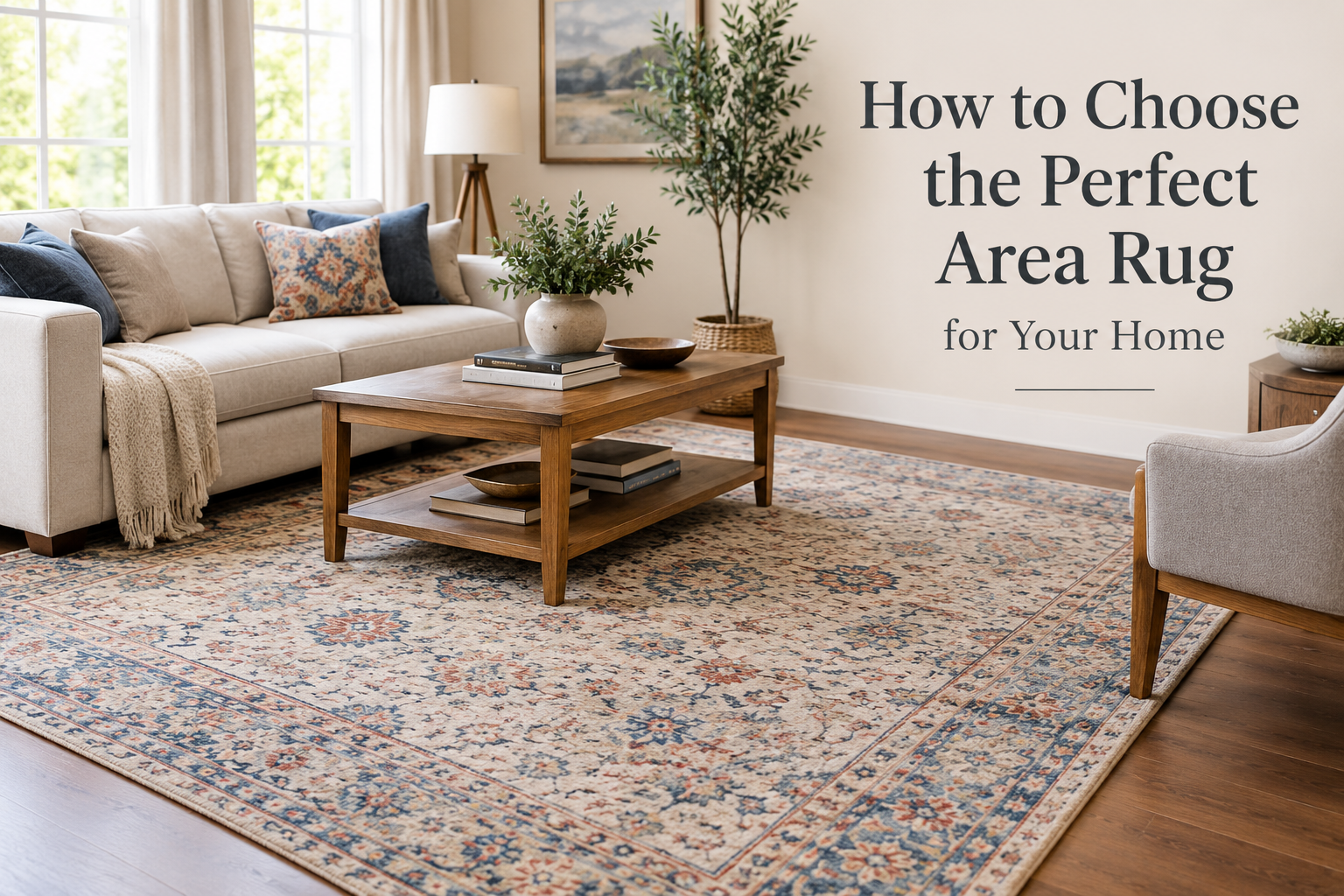
An area rug can change the way a room looks and feels. It adds warmth, introduces color and texture, and helps bring furniture together into a balanced arrangement. However, choosing the right rug involves more than finding a pattern you like. Size, material, placement, lifestyle, and interior design all play important roles.
Whether you are decorating a living room, updating a bedroom, or furnishing an open-plan space, the right area rug should complement your furniture while meeting the practical needs of your household.
Understanding a few essential design principles can make the selection process easier and help you choose a rug that looks beautiful for years.
1. Choose the Right Rug Size for Your Room
One of the most common decorating mistakes is selecting an area rug that is too small. Even a beautiful rug can make a room feel disconnected when it does not relate properly to the furniture around it.
Before shopping, measure the room and identify the furniture arrangement. Consider how the rug will sit beneath sofas, chairs, beds, or dining tables.
Living Room Rugs
In a living room, the rug should help connect the main seating pieces. Ideally, the front legs of sofas and chairs should rest on the rug, creating a unified arrangement. In larger rooms, a rug that accommodates all the seating furniture can establish a more complete and intentional look.
An 8-by-10-foot rug often works well in a medium-sized living room, while a 9-by-12-foot option may suit a larger seating area. These are starting points rather than fixed rules, so always measure your space before purchasing.
Bedroom Rugs
A bedroom rug can create a softer landing beside the bed and make the room feel more inviting. A larger rug placed beneath the bed and extending beyond its sides can provide visual balance and comfort.
For smaller bedrooms, runners or smaller accent rugs beside the bed may be more practical.
Dining Room Rugs
Choose a dining room rug large enough to accommodate the table and chairs, including the chairs when they are pulled away from the table. This helps prevent chair legs from catching on the rug's edges.
For rectangular dining tables, a rectangular rug is usually a natural choice. Round rugs can work particularly well beneath round tables.
2. Select a Rug Material That Fits Your Lifestyle
The best rug material depends on how the room is used, how much foot traffic it receives, and the type of maintenance you are comfortable providing.
Wool Rugs
Wool is valued for its softness, natural resilience, and ability to create rich textures. It is a popular choice for living rooms, bedrooms, and other spaces where comfort and craftsmanship matter.
High-quality wool rugs can provide years of use with appropriate care. However, their performance depends on construction, pile, and the conditions in which they are used.
Silk and Wool-Silk Rugs
Silk and wool-silk rugs can introduce a refined sheen and delicate visual detail. They are often suited to spaces where their intricate craftsmanship can be appreciated.
Because some silk rugs require more specialized care, consider the placement and cleaning requirements before choosing one for a busy household.
Synthetic and Natural-Fiber Options
Synthetic rugs may suit households looking for practical, budget-conscious options. Natural-fiber rugs can introduce an organic texture that complements relaxed, coastal, or contemporary interiors.
Compare the material, construction, cleaning instructions, and intended use rather than choosing solely on appearance.
3. Match the Rug Style to Your Interior Design
An area rug should complement the room without making every element look identical. Consider the existing furniture, wall colors, artwork, flooring, and decorative accessories before choosing a pattern.
Contemporary Rugs for Modern Interiors
Contemporary designs often feature abstract patterns, geometric shapes, subtle textures, and updated color combinations. They can work well in modern homes with clean lines, streamlined furniture, and uncluttered spaces.
Explore contemporary area rug styles for ideas on introducing modern patterns and visual interest into a room.
Traditional Rugs for Timeless Character
Traditional rugs frequently feature detailed borders, floral motifs, medallions, and established design traditions. They can complement classic furniture, rich wood finishes, and formal living or dining spaces.
Traditional designs can also create an interesting contrast in modern interiors, especially when paired with simple furniture and restrained accessories. Browsing traditional area rugs can help you explore patterns that bring character and a sense of history to a home.
Transitional Rugs for a Balanced Look
Transitional interiors combine traditional influences with contemporary elements. A rug with a softened traditional pattern, muted colors, or a modern interpretation of a classic design can connect different furniture styles.
This approach is particularly useful when a room contains both inherited furniture and newer pieces.
4. Use Color and Pattern to Create Balance
Color influences how a rug interacts with the rest of the room. A neutral rug can create a calm foundation, while a patterned design can become the focal point.
If your furniture and artwork already feature bold colors, a rug with a restrained palette may help maintain balance. In a room with neutral walls and simple furniture, a rug with stronger colors or a distinctive pattern can add personality.
Think about contrast as well. A light rug on dark flooring can define the seating area, while a darker rug on pale flooring can create a grounded appearance.
Patterns also affect the overall mood. Geometric designs can feel structured, floral patterns may introduce softness, and abstract designs can create a more artistic atmosphere.
Before making a decision, compare the rug with the actual colors and textures in your room. Lighting can change how colors appear throughout the day, so consider both natural and artificial light.
5. Consider Foot Traffic and Everyday Use
A rug that looks perfect in a formal sitting room may not be the most practical choice for an active family room. Think about how people move through the space and what the rug will need to withstand.
For busy areas, consider durability, pile height, ease of cleaning, and the likelihood of spills. Low-profile rugs can be easier to manage beneath frequently moved furniture and in high-traffic walkways.
For bedrooms and quieter spaces, softness and texture may take priority.
Households with children or pets should also consider cleaning requirements, loose fibers, and whether the rug is appropriate for their daily routines. No material is completely maintenance-free, so review care instructions before buying.
6. Think About Handmade Quality and Construction
Handmade rugs can offer distinctive patterns, detailed craftsmanship, and variations that make individual pieces unique. Hand-knotted rugs are created by tying knots into a foundation, a time-intensive process that can produce intricate designs and durable construction.
When evaluating a handmade rug, consider:
-
Material quality: Understand which fibers are used in the pile and foundation.
-
Construction: Ask how the rug was made and whether the construction suits its intended placement.
-
Finishing: Examine the edges, fringe, and overall condition.
-
Design consistency: Look for details that appeal to you while recognizing that handmade work may contain natural variations.
-
Care requirements: Confirm how the rug should be cleaned and maintained.
Price alone does not determine quality. Size, materials, craftsmanship, age, condition, and design can all affect a rug's value.
For homeowners who need a specific size, color palette, or pattern, custom rug design services offer another way to approach a space that is difficult to furnish with a standard, ready-made rug.
7. Test the Rug in Your Actual Space
A rug can look different in a showroom or on a screen than it does in your home. Room dimensions, flooring, natural light, wall colors, and nearby furniture all influence its appearance.
Whenever possible, assess the rug in the space where you intend to use it. Marking the proposed dimensions on the floor with painter's tape can help you understand how much area the rug will cover and whether it will interfere with doorways or furniture movement.
You can also compare several colors and patterns against your existing decor before deciding.
For shoppers who want to see how a rug works with their own furnishings, rugs on approval provide an option to evaluate selected pieces at home before making a final decision. Check the provider's current terms and availability before arranging a trial.
8. Maintain Your Area Rug Properly
Regular maintenance helps preserve a rug's appearance and can reduce the buildup of dirt and grit within its fibers.
Vacuum according to the rug's construction and care instructions. Address spills promptly by blotting rather than rubbing, and test any cleaning product in an inconspicuous area when appropriate. Avoid applying excessive moisture to materials that may be sensitive to water.
Use a suitable rug pad when recommended. A properly selected pad can help limit slipping, improve underfoot comfort, and protect the flooring beneath the rug.
Professional cleaning may be appropriate when routine care is no longer enough, but the cleaning method should match the rug's material, dyes, construction, and condition.
Frequently Asked Questions
What is the best area rug size for a living room?
The best size depends on the room's dimensions and furniture layout. An 8-by-10-foot rug is a common starting point for medium-sized living rooms, while larger spaces may require a 9-by-12-foot or bigger rug. Measure the seating arrangement before choosing.
Which rug material is best for everyday use?
Wool is a popular option because of its resilience and comfortable texture. Synthetic and other natural-fiber rugs may also suit different budgets and lifestyles. Compare construction, maintenance needs, and intended placement before deciding.
Should an area rug match the furniture?
No. The rug should complement the furniture rather than match every piece exactly. Coordinating colors, repeating selected accents, and balancing patterns can create a cohesive room without making it look overly coordinated.
Are handmade area rugs worth considering?
Handmade rugs are worth considering when craftsmanship, distinctive designs, and material quality are priorities. Their suitability and value depend on construction, fibers, condition, design, and price.
How can I tell whether a rug is too small?
If the rug appears isolated beneath a coffee table while the surrounding seating feels disconnected, it may be too small. Check whether the rug relates to the main furniture arrangement and leaves a balanced amount of visible flooring around it.
Final Thoughts
Choosing the right area rug requires a balance of size, material, design, comfort, and practical needs. Start by measuring your space, consider how the room is used, and select a style that complements your existing interior.
Pay attention to construction and care requirements, too. A well-chosen rug can help define a room, soften hard flooring, introduce texture, and connect different design elements into a cohesive space.
Taking time to compare options in the context of your own home makes it easier to find a rug that looks right and works well for everyday living.
 Dutch
Dutch
 English
 Arabic
 French
 Spanish
 Portuguese
 Deutsch
 Turkish
 Italiano
 Russian
 Romaian
 Portuguese (Brazil)
 Greek
Greek