
 LMS
LMS
 Reels Series
How to Choose Between Full and Partial Dentures
Missing teeth can affect more than your smile. They may make eating certain foods, speaking clearly and feeling confident in social situations more difficult. Dentures offer a removable option for replacing missing teeth, but choosing the right type depends on your oral health, the number of teeth remaining and your everyday needs.
Full and partial dentures serve different purposes, and understanding these differences can help you prepare for a dental consultation. Full dentures replace all the teeth in an upper or lower jaw, while partial dentures fill gaps when some natural teeth remain. Learning about their design, comfort, maintenance and suitability will help you ask informed questions before deciding which option may work best for you.
Understanding Full and Partial Dentures
Dentures are custom-made removable appliances designed to replace missing teeth and support everyday oral function. They can help improve the appearance of your smile and make eating and speaking easier. The design depends on how many teeth need replacing, the condition of your gums and jaw, and whether any natural teeth can be preserved. A dental professional will assess these factors before recommending a suitable option.
The main difference between full and partial dentures is the extent of tooth replacement. Full dentures replace an entire arch of teeth, whereas partial dentures replace selected missing teeth and work alongside the natural teeth that remain. Neither option is automatically better for everyone. Your individual dental condition, preferences and long-term oral health needs should guide the decision.
What Are Full Dentures?
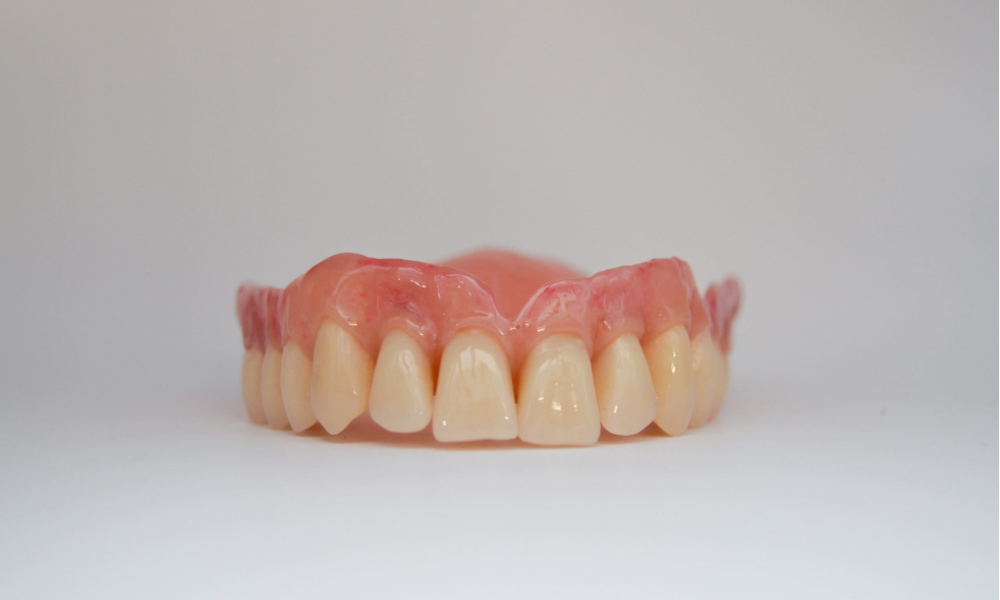
Full dentures, also known as complete dentures, are designed for people who have lost all their natural teeth in the upper jaw, lower jaw or both. They consist of artificial teeth attached to a gum-coloured base that rests on the oral tissues. A properly designed set can help restore the appearance of a complete smile and support everyday activities such as chewing and speaking.
Full dentures rely on their fit against the gums and underlying jaw ridge for stability. Upper dentures generally have a larger supporting surface, while lower dentures can be more challenging to keep stable because of tongue movement and the smaller available area. Some people also need time to adjust to speaking and eating with them. Regular dental reviews help identify changes in fit and determine whether adjustments or relining are needed.
What Are Partial Dentures?
Partial dentures replace one or more missing teeth when healthy natural teeth remain. They fill gaps in the dental arch and are designed to fit around the existing teeth and gums. Depending on the clinical situation, partial dentures may use an acrylic base, a cobalt-chrome framework or a flexible material. The most suitable design depends on the position of the missing teeth, the health of the remaining teeth and the support available.
One advantage of partial dentures is that they can preserve the use of suitable natural teeth rather than replacing an entire arch. Some designs use clasps or other attachments to help hold the appliance in position. However, the remaining teeth need careful cleaning because food debris and plaque can collect around the denture. Your dentist can explain how different designs affect comfort, stability, appearance and ongoing maintenance.
Key Differences Between Full and Partial Dentures
Full dentures replace every tooth in an upper or lower arch, while partial dentures replace selected missing teeth. This difference influences how each appliance is designed and supported. Full dentures rest primarily on the gums and supporting tissues, whereas partial dentures can use remaining natural teeth for additional support. As a result, the fitting process and the challenges associated with keeping each type stable may differ.
The options also vary in appearance, material and maintenance requirements. Full dentures need to be designed to complement facial features and provide suitable support for the lips and cheeks. Partial dentures must blend with the remaining teeth and fit around them without causing unnecessary stress. Both types require daily cleaning and professional reviews. Your dental professional can compare the options based on your oral health rather than relying on general claims about which type is more comfortable.
Comfort, Appearance and Everyday Use
Comfort is an important consideration when choosing dentures. A well-designed appliance should fit appropriately and support normal activities, although some adjustment is usually needed at first. New denture wearers may notice changes in speech, increased saliva or difficulty chewing certain foods. Starting with softer foods, taking smaller bites and practising speaking can help during the adjustment period. Persistent pain or rubbing should be assessed by a dental professional rather than ignored.
Appearance also plays a role in choosing suitable dentures. Artificial teeth can be selected to complement your facial features and any natural teeth that remain. Full dentures need to provide appropriate support to the lips and cheeks, while partial dentures should blend with the existing smile. Discuss your preferences during the consultation and ask what results are realistic for your circumstances. The quality of the design and fit can influence both appearance and confidence.
How to Care for Full and Partial Dentures
Both full and partial dentures require daily cleaning to remove food debris and plaque. Use a denture brush and an appropriate cleaning product, following the instructions supplied for your particular appliance. Avoid abrasive cleaners that could damage the surface, and handle dentures carefully when cleaning them. Your dental professional can explain whether a specific soaking solution is suitable for the material used in your dentures.
People wearing partial dentures must also take particular care of their remaining natural teeth. Brush twice daily with fluoride toothpaste, clean between the teeth and pay attention to areas around clasps or attachments. Many people are advised to remove dentures overnight to allow the oral tissues to rest, unless their dental professional recommends otherwise. Regular check-ups can help identify gum problems, changes in fit or damage before these issues become more troublesome.
How to Decide Which Dentures May Suit Your Needs
The first step is to arrange a professional assessment of your teeth, gums and supporting structures. If all teeth in an arch are missing, full dentures may be considered. If suitable natural teeth remain, partial dentures may be an option. However, the number of missing teeth alone does not determine the best treatment. Gum health, the stability of existing teeth, your bite and other clinical factors all influence the recommendation.
Think about your priorities before attending the appointment. You may be particularly concerned about appearance, comfort while eating, ease of cleaning or the stability of the appliance. Ask your dentist to explain the available designs, the fitting process, the likely adjustment period and the follow-up care required. If alternatives such as bridges or implant-supported restorations are appropriate, you can also ask how they compare. A personalised assessment is the most reliable way to understand your options.
Finding Professional Denture Guidance in Peterborough
When researching denture services locally, look for a provider who explains treatment options clearly and takes time to understand your needs. Check the practitioner's relevant professional registration, ask about experience with full and partial dentures, and find out whether adjustments and follow-up appointments are available. It is also helpful to understand who will carry out your assessment and provide your dentures, so you know what to expect throughout the process.
A denture clinic peterborough search can help you identify local services to investigate, but compare providers on more than location alone. Consider the range of treatments offered, the clarity of the consultation process and the support available if your dentures become uncomfortable or require adjustment. Prepare questions about the design, cleaning routine and expected adaptation period before making a decision. This approach can help you choose professional guidance that matches your circumstances and supports your ongoing oral health.
Conclusion
Choosing between full and partial dentures starts with understanding how each option works. Full dentures replace all teeth in an upper or lower arch, while partial dentures fill gaps alongside suitable remaining natural teeth. Their design, support and maintenance requirements differ, so the right choice depends on your oral health, personal preferences and the condition of your existing teeth.
A dental professional can assess your mouth, explain the advantages and limitations of suitable options and help you understand the fitting process. Take time to discuss comfort, appearance, daily care and follow-up support before proceeding. With a clear understanding of your options and appropriate professional guidance, you can make a more informed decision about replacing missing teeth and maintaining your oral health.

 English
 Arabic
 French
 Portuguese
 Deutsch
 Turkish
 Dutch
Dutch
 Italiano
 Russian
 Romaian
 Portuguese (Brazil)
 Greek
Greek