
 LMS
LMS
 Reels Series
Transport Business ERP: A Complete Guide for Modern Companies
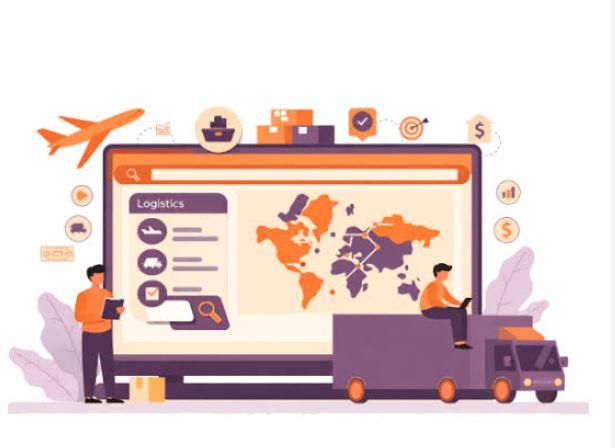
Managing a transport business involves much more than moving goods or passengers from one location to another. Companies must coordinate vehicles, drivers, bookings, fuel expenses, maintenance schedules, customer payments, and financial records. When these activities are handled through separate spreadsheets and manual processes, mistakes become harder to identify and daily operations can quickly become complicated.
A Transport Business ERP system helps bring these activities together in one integrated platform. ERP stands for Enterprise Resource Planning, a type of business software that connects different departments and processes through a shared system. For transport companies, this can mean better control over fleet operations, accounting, dispatching, invoicing, and business performance.
Whether a company manages a logistics fleet, provides passenger transportation, operates a goods delivery service, or handles freight forwarding, the right ERP solution can improve visibility and simplify routine work. Understanding its features and benefits helps business owners decide whether an integrated transport management system is the right investment.
What Is a Transport Business ERP System?
A Transport Business ERP system is software designed to manage transportation operations alongside related business functions, such as finance, inventory, customer management, and reporting.
Unlike basic software that handles only vehicle tracking or shipment scheduling, an ERP platform can connect operational activities with financial records. For example, when a delivery is completed, the system may help update the shipment status, prepare an invoice, record associated expenses, and make relevant information available to the accounts department.
The exact functionality depends on the software. Some solutions are built specifically for transportation companies, while others are general ERP platforms customized for logistics and fleet management.
How Transport ERP Software Works
An integrated system stores relevant business information in a shared environment. Authorized employees can access the information they need according to their roles and permissions.
A transport manager might use the system to assign vehicles and drivers, while an accountant reviews customer invoices and operating costs. Management can then examine reports showing revenue, outstanding payments, vehicle expenses, and business performance.
This reduces the need to transfer information manually between disconnected applications and makes it easier to identify discrepancies.
Why Transport Companies Need ERP Software
Transportation businesses operate under constant pressure to deliver services on time while controlling costs. An organized software system can help address several common operational challenges.
Improve Fleet and Vehicle Management
Fleet management involves monitoring vehicle availability, mileage, maintenance requirements, fuel consumption, and operating expenses. Managing these details manually can become difficult as the fleet grows.
Transport ERP software can maintain vehicle records, schedule maintenance reminders, track service history, and associate expenses with individual vehicles.
For example, a logistics company can review the maintenance history of a truck before assigning it to a long-distance delivery. This helps managers make informed decisions about vehicle availability and servicing.
Where GPS tracking is required, businesses should confirm whether the ERP includes this capability or connects with a compatible tracking provider.
Simplify Dispatching and Route Planning
Dispatch teams must coordinate customer orders, delivery locations, vehicle capacity, driver availability, and delivery deadlines.
A suitable transport management system can organize dispatch schedules and provide a clearer view of assigned and pending jobs. Some platforms also support route optimization, helping planners evaluate possible routes based on distance, delivery windows, and vehicle restrictions.
Better coordination can reduce avoidable scheduling conflicts and unnecessary journeys. However, route optimization depends on accurate information, suitable mapping tools, and changing road conditions.
Organize Bookings and Customer Information
Transport companies often manage recurring customers, individual bookings, shipment details, service agreements, and payment terms.
An ERP software in Pakistan platform can keep this information organized in one place, making it easier to review previous transactions, prepare quotations, and track customer requirements.
For passenger transport businesses, the system may support trip bookings, vehicle allocation, and service scheduling. Freight and logistics companies may need shipment records, consignment details, delivery confirmations, and customer-specific pricing.
The required features depend on the company's operating model.
Essential Features of Transport Business ERP Software
Before selecting a solution, businesses should identify the features that directly support their daily operations.
Accounting and Financial Management
Financial management is one of the most important components of a transport ERP system. Companies need to understand revenue, expenses, customer balances, supplier payments, and vehicle operating costs.
Integrated accounting software can help manage:
-
Customer invoicing and payment tracking.
-
Fuel, maintenance, toll, and repair expenses.
-
Accounts receivable and accounts payable.
-
Profit and loss statements and cash flow reports.
-
Cost and revenue analysis by vehicle, route, or job.
For example, a company can compare the revenue generated by a delivery contract with fuel, driver, maintenance, and other relevant costs. This provides a more useful picture of profitability than looking at revenue alone.
Businesses operating in Pakistan may also need appropriate tax records, local currency support, and integrations that meet applicable digital invoicing requirements.
Fuel and Maintenance Tracking
Fuel is a significant operating expense for many transport companies. Recording fuel purchases, vehicle mileage, and maintenance costs helps managers monitor spending and identify unusual changes.
A well-configured system can associate fuel transactions with individual vehicles and compare consumption across similar routes or operating conditions.
Maintenance scheduling can also help companies keep track of oil changes, inspections, tire replacements, and other service requirements. These records support planning, although software reminders do not replace proper vehicle inspections or maintenance procedures.
Driver and Employee Management
Drivers play a central role in transport operations, so their schedules, assignments, documentation, and availability must be managed carefully.
Depending on the platform, ERP software may maintain driver profiles, license information, shift schedules, trip assignments, and relevant expense records.
Companies should protect employee information through appropriate access permissions and follow applicable employment and privacy requirements. Features such as attendance tracking or payroll integration should be selected according to actual business needs.
Reporting and Business Analytics
Reliable reports help managers understand what is happening across the business rather than relying on assumptions.
A transport ERP dashboard may display completed trips, vehicle utilization, maintenance expenses, unpaid invoices, delivery performance, and revenue trends.
Managers can use this information to investigate questions such as:
-
Which vehicles have the highest operating costs?
-
Which customers have overdue payments?
-
Where are delivery delays occurring most often?
-
Which contracts generate the strongest margins?
-
How much fleet capacity is available for new work?
The usefulness of these reports depends on accurate data entry and consistent operating procedures.
How a Transport ERP System Improves Business Efficiency
The main advantage of ERP software is the connection between different activities. Instead of treating dispatch, accounting, fleet maintenance, and customer management as separate functions, businesses can coordinate them through a shared workflow.
Reduce Duplicate Data Entry
When departments use separate systems, employees may need to enter the same customer, shipment, or vehicle information multiple times. This creates additional work and increases the risk of inconsistencies.
An integrated platform can allow authorized departments to work with shared records. For example, information entered when a transport order is created may later support dispatch planning, invoicing, and reporting.
Improve Cost Control
Transport profitability depends on understanding the costs associated with delivering each service. An ERP system can help organize expenses by vehicle, route, customer, project, or shipment.
This makes it easier to identify rising maintenance costs, review fuel spending, and assess whether contract prices adequately cover operating expenses.
The software does not automatically reduce costs, but it provides information that managers can use to take corrective action.
Support Business Growth
A transport company that manages a small fleet may initially rely on spreadsheets. As the number of vehicles, customers, and shipments increases, maintaining accurate records becomes more difficult.
A scalable ERP solution can support additional users, branches, vehicles, and operational processes, depending on its design and licensing arrangements.
Choosing software that accommodates realistic growth can reduce the need for a disruptive system replacement later.
How to Choose the Right Transport Business ERP
Selecting software should begin with business requirements rather than a long list of impressive features.
Identify Your Operational Needs
A passenger transport company may prioritize trip booking, driver scheduling, and vehicle allocation. A freight forwarder may need shipment tracking, freight costing, documentation, and customer billing. A distribution company may require warehouse integration and delivery management.
List your essential workflows and identify where current processes create delays, errors, or unnecessary costs.
Compare Customization, Integration, and Pricing
Some ERP systems provide ready-made transportation features, while others require customization. Check whether the software integrates with existing accounting applications, GPS platforms, payment systems, warehouse tools, or customer management software.
Compare the full cost, including implementation, data migration, staff training, customization, licensing, and ongoing support.
A lower initial price does not always mean a lower long-term cost, especially if essential features require expensive modifications.
Evaluate Security and Vendor Support
Transport ERP platforms may store customer information, employee records, financial data, and commercially sensitive contracts.
Review user permissions, backup arrangements, security updates, data export options, and the provider's procedures for handling technical issues.
Before making a final decision, request a demonstration using realistic business scenarios. Test a complete workflow, from creating a transport order to assigning a vehicle, recording expenses, and generating an invoice.
Common Mistakes to Avoid During ERP Implementation
Buying suitable software is only one part of a successful implementation.
One common mistake is trying to automate every process immediately. A phased rollout, beginning with the most important workflows, can make training and troubleshooting more manageable.
Another problem is migrating inaccurate data. Vehicle records, customer balances, supplier information, and outstanding invoices should be checked before they are transferred into the new system.
Employee training is equally important. Drivers, dispatchers, accountants, and managers need to understand the features relevant to their responsibilities.
Finally, establish clear procedures for data entry, approvals, reporting, and system maintenance. Software works best when it supports consistent business practices rather than attempting to compensate for poorly defined processes.
Frequently Asked Questions
1. What Is Transport Business ERP Software?
Transport Business ERP software connects transportation operations with functions such as fleet management, dispatching, accounting, customer management, and reporting. Its exact features depend on the product and its configuration.
2. Is ERP Software Suitable for Small Transport Companies?
Yes. Small transport companies can benefit from organized bookings, expense tracking, invoicing, and vehicle records. However, they should choose a solution that matches their budget and current requirements rather than paying for unnecessary enterprise features.
3. Can Transport ERP Software Manage Accounting and Fleet Operations Together?
Many transport ERP systems combine financial management with fleet-related functions. This can help businesses connect vehicle expenses, completed jobs, customer invoices, and profitability reports in one system.
4. How Much Does Transport ERP Software Cost?
Costs vary according to the number of users, fleet size, available features, customization, deployment method, and support requirements. Businesses should request a detailed quotation covering both implementation and ongoing expenses.
5. What Is the Difference Between Transport Management Software and ERP?
Transport management software focuses primarily on transportation activities such as dispatching, shipment tracking, and route planning. ERP software connects these activities with broader business functions, including accounting, purchasing, payroll, and customer management. Some products combine both capabilities.
Conclusion
Managing a transportation business requires coordination between vehicles, drivers, customers, dispatch teams, and financial operations. When these functions rely on disconnected tools, businesses may struggle to maintain accurate records, control costs, and respond quickly to operational problems.
A well-selected Transport Business ERP system can bring essential information together, improve reporting, reduce repetitive work, and support better decisions. The most effective solution is not necessarily the one with the greatest number of features. It is the one that fits the company's workflows, integrates with essential tools, protects business information, and remains practical as operations expand.
By defining clear requirements, comparing the total cost of ownership, and preparing employees for the transition, transport companies can make a more informed investment in their long-term operational efficiency.
 English
 Arabic
 French
 Spanish
 Portuguese
 Deutsch
 Turkish
 Dutch
Dutch
 Italiano
 Russian
 Romaian
 Portuguese (Brazil)
 Greek
Greek