
 LMS
LMS
 Reels Series
Germany BECCS: Advancing Carbon Removal Through Biomass and Carbon Storage
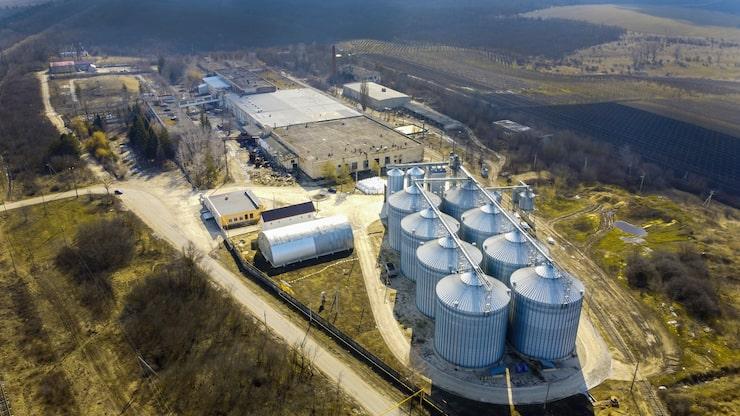
Germany is strengthening its focus on technologies that can support long-term emissions reduction and carbon removal. Bioenergy with Carbon Capture and Storage (BECCS) combines biomass-based energy generation with the capture and permanent storage of carbon dioxide (CO₂). By capturing biogenic CO₂ that would otherwise enter the atmosphere, the technology has the potential to create negative emissions when sustainable biomass sourcing and the complete carbon lifecycle are properly managed.
The Germany Bioenergy Carbon Capture & Storage industry report examines the sector across feedstocks, technologies, offerings, applications, and end users, including waste-to-energy plants, biofuel and bio-hydrogen production facilities, and biomass-fueled industries. The Sector highlights government support for carbon-management technologies, Germany’s decarbonization ambitions, biomass availability, technological innovation, and industrial emissions as important factors shaping BECCS development.
Climate Goals Strengthen Interest in BECCS
Germany's climate objectives are encouraging the exploration of technologies capable of addressing emissions that are difficult to eliminate through conventional measures. BECCS can complement renewable energy, energy efficiency, electrification, and other decarbonization approaches by potentially removing CO₂ from the atmosphere while producing useful energy or materials.
Germany's federal government has been developing a broader policy framework for carbon capture, utilization, and storage. Its carbon-management approach includes CCS and CCU and recognizes technical sinks such as BECCS and direct air capture with storage as part of its longer-term climate strategy.
Biomass Provides an Important Feedstock Base
The availability of biomass resources is a significant opportunity for BECCS deployment in Germany. Agricultural residues, forestry residues, energy crops, and industrial or municipal waste can serve as feedstocks depending on the application and sustainability requirements.
Agricultural residues and waste are particularly relevant because crop cultivation generates materials such as straw, stalks, husks, and other residues. Using suitable biomass for energy production while capturing the resulting biogenic CO₂ can create a pathway toward negative emissions.
However, biomass is a finite resource, making responsible sourcing essential. Germany's National Biomass Strategy recognizes that sustainably available biomass is limited and that its use must be balanced against food security, biodiversity, climate protection, and other environmental priorities.
Waste-to-Energy Plants Offer Strong Potential
Waste-to-energy facilities represent a leading end-user segment identified in the study. Germany has an established waste-management and energy-recovery infrastructure, creating potential opportunities for integrating carbon capture into facilities that process waste containing a significant biogenic component.
When biogenic waste is converted into electricity or heat, capturing and permanently storing the associated CO₂ can potentially generate negative emissions. This approach can connect waste management, energy recovery, and carbon removal within a single infrastructure system.
The International Energy Agency identifies waste-to-energy facilities using biogenic feedstocks as a potential BECCS pathway, while also emphasizing that lifecycle assessment is necessary to determine whether a specific project genuinely produces negative emissions.
Industrial Applications Expand the Opportunity
Germany's strong industrial base creates additional potential for BECCS technologies. Industries such as cement and pulp and paper can generate emissions while also using biomass-based energy or materials, creating opportunities for integrating carbon capture into industrial processes.
Biofuel and bio-hydrogen production facilities are another important application. Capturing CO₂ from these processes can be particularly attractive where the gas is relatively concentrated, potentially reducing the technical complexity associated with separation.
The combination of existing industrial infrastructure and carbon-management technologies could therefore help Germany address emissions from sectors where complete decarbonization may be technically challenging.
Carbon Storage Infrastructure Is Essential
Capturing CO₂ is only one part of the BECCS value chain. Captured carbon must be compressed, transported, and permanently stored in suitable geological formations. The availability of reliable storage infrastructure is therefore essential to achieving the carbon-removal potential of BECCS.
Germany's evolving carbon-management framework is particularly relevant in this regard. The federal government has moved toward enabling expanded CCS use and offshore CO₂ storage, while also addressing infrastructure development and regulatory conditions.
The IEA similarly identifies secure and accessible CO₂ storage as a critical component of the carbon-management value chain because insufficient storage availability can limit investment in capture facilities.
Membrane Technology Is Creating New Possibilities
Technological innovation is another important development in Germany's BECCS landscape. The study highlights advances in membrane technologies for separating CO₂ from flue gases as an emerging trend.
Membrane-based separation can offer an alternative to conventional solvent-based capture methods. Continued research into more efficient separation technologies could improve the technical and economic feasibility of carbon capture in industries such as steel, cement, and pulp and paper.
For Germany, where industrial decarbonization is a major priority, improvements in capture efficiency could make BECCS and other carbon-management solutions more practical across different facilities.
High Costs Remain a Major Barrier
BECCS requires substantial investment across the entire value chain. Capture equipment, biomass-handling systems, compression units, transportation infrastructure, storage facilities, and ongoing maintenance can create significant financial requirements.
Technical integration can also be complex because capture systems must be incorporated into existing industrial or energy facilities without disrupting normal operations. These challenges can slow adoption, particularly where long-term revenue mechanisms and regulatory certainty are still developing.
Building a Negative-Emissions Ecosystem
Germany's BECCS landscape is developing at the intersection of renewable energy, biomass utilization, industrial decarbonization, waste management, and carbon storage. The availability of agricultural and forestry residues provides an important foundation, while waste-to-energy and biofuel facilities offer potential deployment opportunities.
Going forward, successful BECCS development will depend on sustainable biomass management, efficient carbon-capture technologies, reliable transport and storage infrastructure, supportive regulation, and transparent lifecycle assessment. With these elements developing together, BECCS can become a complementary technology within Germany's broader strategy for achieving deep emissions reductions and addressing residual greenhouse-gas emissions.

 English
 Arabic
 Spanish
 Portuguese
 Deutsch
 Turkish
 Dutch
Dutch
 Italiano
 Russian
 Romaian
 Portuguese (Brazil)
 Greek
Greek