
 LMS
LMS
 Reels Series
Fat Transfer in Dubai: Understanding the Potential Risks
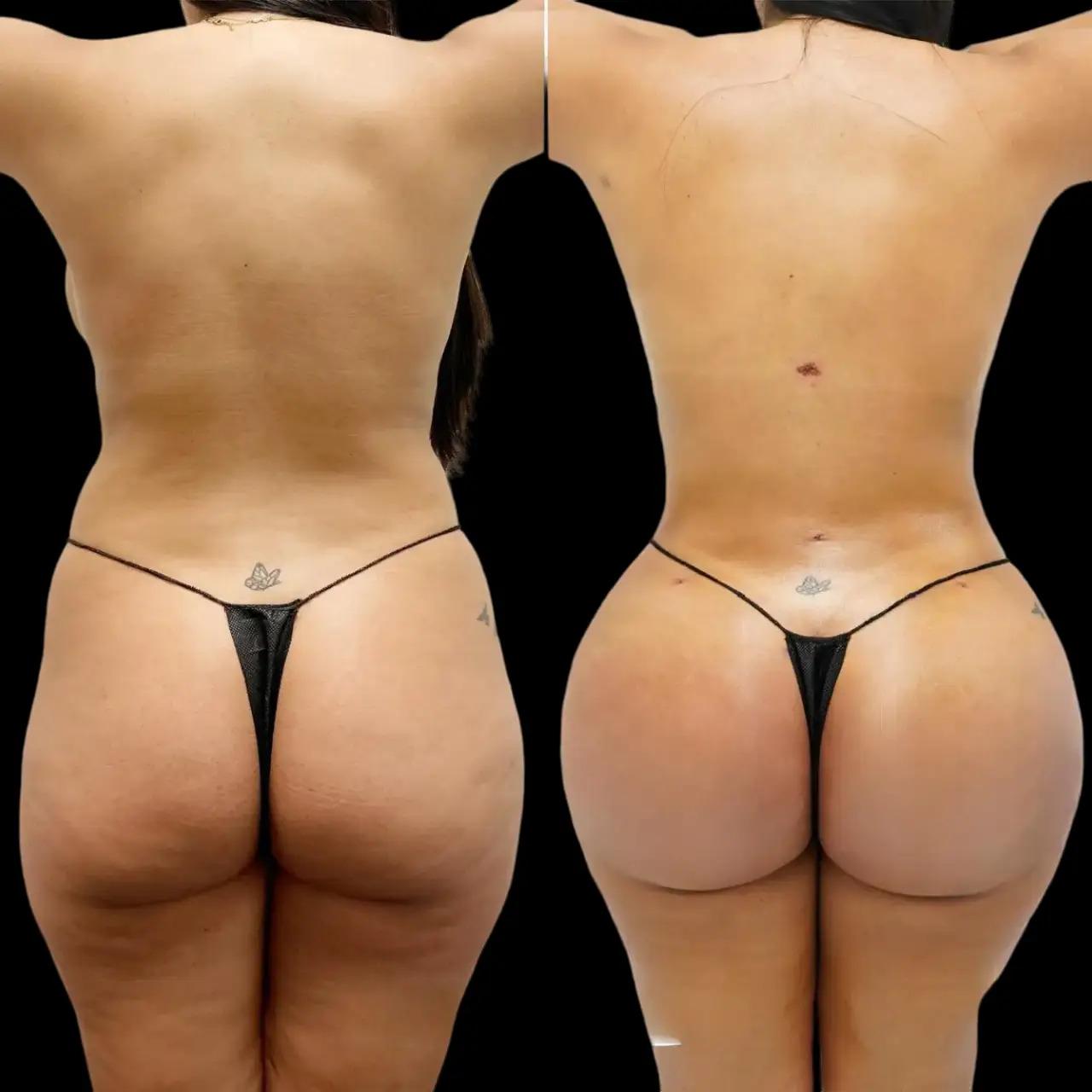
Understanding Fat Grafting and Its Potential Risks
Fat grafting involves removing fat from one part of the body, processing it, and injecting it into another area. Common treatment areas include the face, under-eye region, breasts, and buttocks.
The procedure generally involves three stages: fat harvesting, fat preparation, and fat injection. Each stage has its own possible complications.
During fat harvesting, patients may experience bruising, swelling, discomfort, or bleeding in the donor area. During injection, the treated area may develop swelling, tenderness, unevenness, or changes in contour.
Another important consideration is that not all transferred fat survives. Some fat cells may be absorbed naturally by the body, which can affect the final result. Patients should understand that the amount of retained fat varies, and the procedure cannot guarantee a specific outcome.
Although many people recover without serious complications, knowing the potential risks allows patients to prepare properly and understand when medical attention may be necessary.
Common Side Effects After Fat Transfer in Dubai
After Fat transfer in dubai, temporary side effects may occur as the body begins to heal. These effects are often mild, but their severity and duration depend on the individual and the treatment area.
Common side effects include:
-
Swelling: The treated area may appear fuller than expected during the first few days or weeks.
-
Bruising: Small blood vessels can be affected during fat removal and injection, causing temporary discoloration.
-
Tenderness: The donor and recipient areas may feel sore or sensitive.
-
Redness: Mild redness may develop around injection sites.
-
Temporary numbness: Changes in sensation can occur near the treated areas.
-
Discomfort: Some patients experience mild pain during the early recovery period.
These effects generally improve gradually. However, worsening symptoms should not automatically be considered normal.
Patients should follow their postoperative instructions, attend scheduled follow-up appointments, and contact their healthcare professional if they experience unexpected changes. Severe pain, fever, spreading redness, or rapidly increasing swelling requires prompt medical assessment.
Infection and Bleeding Risks After Fat Transfer
Infection and bleeding are possible complications of fat transfer because the procedure involves small incisions and injections into body tissues.
An infection may develop at the fat harvesting site or the area receiving the transferred fat. Possible warning signs include increasing redness, warmth, worsening pain, fever, and unusual discharge.
Bleeding can cause additional bruising or swelling. In some cases, blood may collect beneath the skin, creating a condition known as a hematoma.
Proper hygiene, appropriate wound care, and following medical instructions can help reduce certain risks. Patients should avoid touching healing areas unnecessarily and should not apply unapproved creams or products to incision sites.
If an infection or significant bleeding is suspected, professional evaluation is important. Delaying treatment may lead to more serious complications.
Before undergoing the procedure, patients should discuss their medical history, current medications, allergies, and any conditions that could affect healing. These details help healthcare professionals assess individual risks and plan appropriate care.
Uneven Results and Fat Absorption After Fat Transfer
One of the possible risks of fat transfer is an uneven or unpredictable final appearance. This can happen because transferred fat does not always survive uniformly in the recipient area.
The body naturally absorbs some of the injected fat during the healing process. If different parts of the treated area retain different amounts of fat, the result may appear asymmetrical or uneven.
Some patients may notice that the initial fullness decreases over time. This does not necessarily mean that the procedure has failed. Early swelling can make the area appear larger, while the final result becomes clearer as swelling settles and the surviving fat stabilizes.
In some cases, small lumps, irregular contours, or areas of firmness may develop. Additional assessment may be needed to determine whether these changes are temporary or require treatment.
Patients should allow sufficient time for healing before judging the final outcome. Further procedures, if considered appropriate, should be discussed only after a qualified healthcare professional has assessed the results.
Under Eye Fat Transfer: Understanding the Specific Risks
Under eye fat transfer is used to add volume beneath the eyes and improve the appearance of hollow areas. Because the skin around the eyes is thin and the surrounding structures are delicate, this treatment requires particular care.
Possible side effects include swelling, bruising, asymmetry, lumps, and irregular contours. Puffiness may persist longer than expected in some individuals, while uneven fat retention can affect the appearance of the lower eyelids.
Another concern is that the final result may differ from the patient's expectations. The under-eye area can be challenging to treat because small changes in volume may create noticeable differences.
Rare but serious complications involving blood vessels can also occur with facial fat injections. These complications may affect the skin or, in exceptional cases, vision.
Sudden vision changes, severe eye pain, double vision, or unusual neurological symptoms after facial fat transfer require emergency medical attention. Patients should not wait for a routine follow-up appointment if these symptoms occur.
Anyone considering treatment around the eyes should discuss the potential benefits, limitations, alternatives, and specific risks before proceeding.
Fat Transfer Risks Related to Fat Lumps and Oil Cysts
Fat lumps and oil cysts are other possible complications after fat transfer. They may occur when some transferred fat does not survive and the body responds to the damaged tissue.
An oil cyst is a small collection of oily material released from damaged fat cells. In some cases, areas of firmness or small lumps may develop within the treated tissue.
These changes can affect the smoothness of the treated area. Depending on the location and severity, they may also cause discomfort or concern about the cosmetic result.
Not every lump indicates a serious complication, but patients should not attempt to massage, squeeze, or treat an unusual lump themselves unless specifically instructed by a healthcare professional.
A medical examination can help determine the cause of the change and whether further evaluation or treatment is needed.
Following aftercare instructions and attending follow-up appointments can help ensure that unexpected changes are assessed appropriately.
Best Plastic Surgeon in Dubai: Why Risk Awareness Matters
People searching for the Best Plastic surgeon in dubai should understand that cosmetic procedures involve more than achieving a desired appearance. Learning about potential complications and the steps taken to manage them is also an important part of treatment planning.
Before undergoing fat transfer, patients should receive clear information about the procedure, expected recovery, possible side effects, and serious warning signs. They should also understand that individual results can vary.
A thorough preoperative assessment helps identify factors that may increase risk, including certain medical conditions, smoking, medication use, and previous procedures.
Patients should feel comfortable discussing their concerns and asking questions about safety. Understanding the limitations of fat transfer can help prevent unrealistic expectations and support informed decision-making.
The aim is not to eliminate every possible risk, which may not be achievable, but to understand the risks and take reasonable steps to reduce them.
Best Doctors in Dubai: The Importance of Medical Assessment and Safety
When researching the Best Doctors in dubai, patients should pay attention to the importance of a proper medical evaluation before cosmetic treatment.
A preoperative assessment may include a review of general health, existing medical conditions, allergies, medications, smoking habits, and previous surgeries. These factors can influence healing and the likelihood of complications.
Patients should also receive instructions about preparing for the procedure and managing recovery afterward. They need to understand which activities should be avoided and when they can safely return to normal routines.
Clear communication is especially important when unexpected symptoms occur. Knowing how to obtain medical advice after treatment can help patients respond promptly to potential complications.
General online information can help explain the procedure, but it cannot determine whether fat transfer is appropriate for a particular person. That decision requires an individualized medical assessment.
Fat Transfer Cost in Dubai: Understanding the Financial Impact of Complications
The Fat transfer cost in dubai may vary depending on the treatment area, the complexity of the procedure, the facilities involved, and the care provided before and after treatment.
However, patients should also consider the possible financial impact of complications. Unexpected medical assessments, medications, additional appointments, or treatment for a complication may increase the overall expense.
Before proceeding, patients should ask what is included in the quoted price and whether follow-up visits are covered. It is also useful to clarify how unexpected postoperative concerns are handled and whether additional care may involve separate charges.
Choosing a procedure based only on the lowest advertised price may leave important questions about aftercare unanswered.
Understanding the complete treatment plan can help patients prepare financially while keeping safety and appropriate medical support among their priorities.
Fat Transfer Prices: Factors That May Affect the Total Cost
fat transfer prices can differ according to the size of the treatment area, the amount of fat required, the complexity of fat harvesting, and the preparation and injection techniques involved.
For example, facial fat transfer may require a different approach from procedures involving larger body areas. The number of treated areas and the need for additional assessments can also influence the overall expense.
Patients should ask whether the quoted price includes consultations, routine follow-up appointments, postoperative instructions, and any recommended assessments.
It is equally important to understand the policy for managing complications. Not every unexpected medical issue can be predicted or included in a standard treatment package.
A clear breakdown of expenses allows patients to compare options more accurately and avoid making decisions based on price alone.
Fat Transfer Cost: Planning for Unexpected Recovery Expenses
The overall fat transfer cost should include consideration of the recovery period and the possibility of unexpected expenses.
Patients may need time away from work, assistance with daily activities, transportation to appointments, or additional medical assessments if recovery does not progress as expected.
Some people may also require further evaluation if the transferred fat develops lumps, unevenness, or other changes. The need for additional treatment depends on the individual circumstances and cannot be predicted with certainty.
Before the procedure, patients should discuss what support is available after treatment and whom they should contact if they notice a problem.
Financial preparation does not prevent complications, but it can help patients respond more confidently if additional care becomes necessary.
Dr. Perfect Celebrity and Perfect Doctors Clinic: Understanding Online Cosmetic Information
The phrases Dr. perfect celebrity and Perfect Doctors Clinic may appear in online searches related to cosmetic procedures. However, understanding the potential risks of fat transfer does not require relying on promotional claims or information about a particular clinic.
Patients should focus on reliable medical information about the procedure, its limitations, recovery requirements, and possible complications.
Online descriptions may emphasize cosmetic benefits without fully explaining the risks. It is important to consider both sides and seek individualized medical advice before making a decision.
Patients should also be cautious about claims that suggest guaranteed results or imply that complications cannot occur. Every medical procedure has limitations, and outcomes vary between individuals.
A balanced understanding of risks helps people make decisions based on their personal goals, health, and expectations.
Best Fat Transfer Surgeon in Dubai: Questions About Procedure Safety
People searching for the Best fat transfer surgeon in Dubai should prepare questions about safety before deciding whether to undergo treatment.
Important questions include:
-
What are the most common risks associated with the planned procedure?
-
Which complications are rare but potentially serious?
-
How will the donor and recipient areas be monitored during recovery?
-
What symptoms require urgent medical attention?
-
What happens if the transferred fat does not survive as expected?
-
Are follow-up appointments and additional assessments included in the treatment plan?
-
What alternatives are available, and what are their respective risks?
These questions can help patients understand the procedure more clearly and make informed decisions.
Patients should receive understandable answers and should not feel pressured to proceed before their concerns have been addressed.
Best Fat Transfer Surgeons in Dubai: Understanding Realistic Expectations
When researching the Best fat transfer surgeons in Dubai, patients should remember that even a carefully planned procedure cannot guarantee a particular result.
Some transferred fat may be absorbed, and the treated area may not retain the exact volume expected. Differences in healing, anatomy, and individual health can influence the final appearance.
It is also possible that the cosmetic outcome may not match the patient's expectations, even when no medical complication occurs. This is why discussing achievable results and the limitations of treatment before surgery is important.
Patients should understand that further procedures may sometimes be considered, but additional treatment can introduce further risks and expenses.
Realistic expectations, careful preparation, and appropriate follow-up care are essential parts of making a well-informed decision.
How to Reduce Potential Risks Before and After Fat Transfer
Although no approach can eliminate every complication, certain steps may help reduce avoidable risks.
Before treatment:
-
Share your complete medical history and current medication list.
-
Discuss allergies, previous procedures, and any health conditions that may affect healing.
-
Follow instructions about smoking, nicotine, and medication use.
-
Understand the possible complications and available alternatives.
-
Arrange suitable support and time for recovery.
After treatment:
-
Follow the specific wound-care and recovery instructions provided.
-
Avoid strenuous activities until medically cleared.
-
Do not massage or apply pressure to the treated area unless instructed.
-
Attend scheduled follow-up appointments.
-
Seek medical advice if symptoms worsen or unexpected changes develop.
Seek urgent medical attention for severe pain, breathing difficulties, chest pain, fainting, sudden vision changes, or other serious symptoms. Fever, spreading redness, and rapidly increasing swelling also warrant prompt assessment.
Conclusion: Making an Informed Decision About Fat Transfer in Dubai
Fat transfer can improve volume and body contours, but it is important to understand that the procedure carries potential risks. Common side effects include swelling, bruising, tenderness, and temporary changes in appearance. Other complications may include infection, bleeding, uneven fat retention, lumps, and unpredictable cosmetic results.
When considering fat transfer in dubai, patients should look beyond the expected benefits and learn about the recovery process, financial considerations, and possible complications.
Understanding fat grafting, the specific risks of under eye fat transfer, and the factors that influence fat transfer cost in dubai can help patients prepare more effectively.
The most important steps are to obtain an appropriate medical assessment, ask clear questions, follow postoperative instructions, and seek help promptly if warning signs develop. An informed decision begins with understanding both the potential benefits and the limitations of the procedure.
 Arabic
 English
 French
 Spanish
 Portuguese
 Deutsch
 Turkish
 Dutch
Dutch
 Italiano
 Russian
 Romaian
 Portuguese (Brazil)
 Greek
Greek