
 LMS
 Reels Series
Powder Bed Fusion Process 3D Printer Market: Demand for Precision Engineering and Complex Components
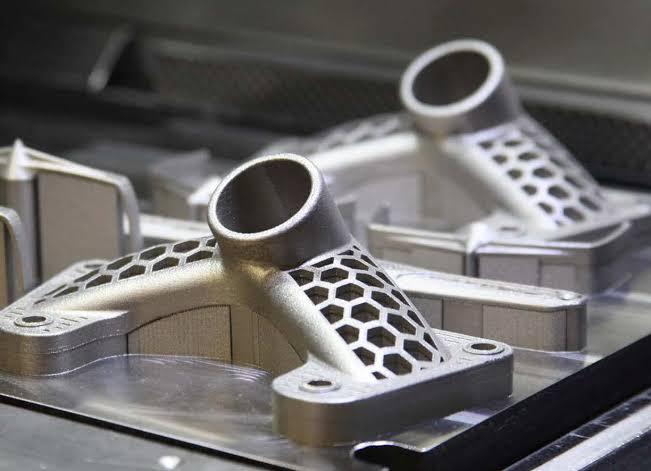
The underlying momentum fueling the Powder Bed Fusion Process 3D Printer Market stems from a broader industrial migration toward decentralized, agile manufacturing paradigms capable of mitigating global supply chain vulnerabilities. Group discussions frequently center on how these advanced 3D printing technologies empower companies to manufacture replacement parts on demand, thereby eliminating the need for extensive physical warehousing and reducing costly logistical footprints. Furthermore, as environmental sustainability regulations become increasingly stringent across major economies, powder bed fusion processes offer a more eco-conscious alternative to traditional manufacturing by optimizing material usage and enabling the creation of lightweight structures that lower operational energy consumption throughout their lifecycle. This convergence of economic efficiency and environmental compliance positions additive manufacturing as a cornerstone of next-generation industrial strategies.
Realizing the full economic potential of this ecosystem, however, requires overcoming structural hurdles related to high capital expenditures, equipment amortization, and the specialized technical expertise needed to operate advanced machinery safely. Fine metal powders used in these processes often present handling hazards, including dust explosion risks and toxicity concerns, which necessitate stringent workplace safety measures and specialized ventilation infrastructure. To address these cost and safety barriers, forward-thinking service bureaus and equipment manufacturers are introducing flexible leasing models, cloud-based remote monitoring tools, and automated powder recycling loops. These innovations democratize access to high-end manufacturing capabilities, enabling smaller enterprises to participate in lucrative supply chains and compete effectively against established industry titans.
Frequently Asked Questions:
-
How does on-demand manufacturing via powder bed fusion help organizations mitigate global supply chain risks? By producing components locally and digitally storing design files, companies can bypass international shipping delays, reduce reliance on overseas component inventories, and rapidly respond to fluctuating market demands.
-
What safety protocols are essential when handling fine reactive metal powders in industrial production environments? Facilities must utilize inert gas gloveboxes, ATEX-certified vacuum systems, specialized grounding equipment, and personal protective gear to prevent dust ignition and safeguard operators from exposure hazards.
 Turkish
 English
 Arabic
 French
 Spanish
 Portuguese
 Deutsch
 Dutch
 Italiano
 Russian
 Romaian
 Portuguese (Brazil)
 Greek