
 LMS
 Reels Series
Physical Therapist Services in Ashburn VA | PT by Art for Recovery
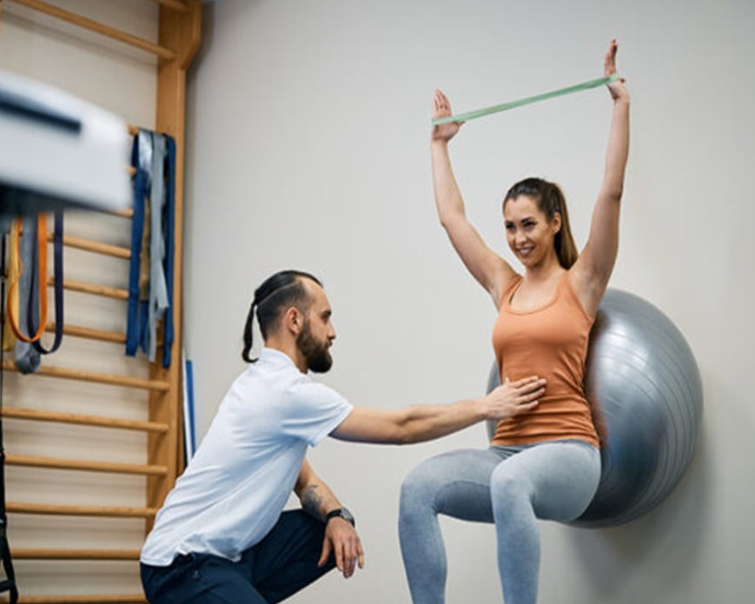
Maintaining mobility, managing pain, and recovering from physical injuries are essential to enjoying an active and independent lifestyle. Whether someone is experiencing persistent back discomfort, recovering after surgery, dealing with a sports-related injury, or noticing reduced flexibility with age, appropriate physical therapy can make a meaningful difference. Physical Therapist Services in Ashburn VA offer individuals an opportunity to address movement difficulties through structured rehabilitation, individualized treatment strategies, and professional guidance. Rather than focusing exclusively on temporary symptom relief, effective physical therapy considers the underlying factors affecting movement, strength, balance, and everyday function. This approach can help people work toward practical goals, such as walking comfortably, returning to exercise, performing workplace tasks, or completing household activities with greater confidence.
As awareness of preventive healthcare and movement-based rehabilitation continues to grow, people increasingly seek treatment that fits their health concerns, schedules, and long-term goals. Physical Therapist Services in Ashburn VA can be particularly valuable for professionals who spend extended periods sitting, athletes who want to return to training safely, older adults working to preserve independence, and individuals managing recurring musculoskeletal discomfort. Choosing an appropriate provider involves more than finding a convenient appointment; it requires understanding the treatment process, evaluating communication practices, and identifying a rehabilitation plan that reflects individual needs. PT by Art is a business to consider when exploring local physical therapy options, with the focus remaining on selecting care that supports measurable progress, informed decisions, and sustainable improvements in daily movement.
Understanding Physical Therapist Services in Ashburn VA and Their Role in Rehabilitation
Physical therapy is a healthcare discipline that focuses on improving physical function, restoring movement, and helping individuals manage conditions that affect their ability to perform everyday activities. Treatment may address muscle weakness, joint stiffness, limited range of motion, balance difficulties, and pain associated with injuries or ongoing musculoskeletal conditions. A comprehensive rehabilitation approach begins with understanding the patient's symptoms, medical history, physical limitations, and personal objectives. A therapist may assess posture, walking patterns, joint mobility, strength, and functional movement to identify areas that need attention. Based on these findings, treatment may include therapeutic exercises, mobility training, movement education, and other appropriate interventions. The purpose is to develop a practical plan that progresses according to the individual's tolerance and response to treatment. By emphasizing functional improvements rather than isolated symptoms, rehabilitation can help patients build the physical capacity needed for work, recreation, and independent living.
Why Personalized Physical Therapy Matters
Every individual experiences pain, injury, and movement limitations differently, which makes personalized treatment an important part of rehabilitation. Two people with similar symptoms may have different contributing factors, activity levels, medical histories, and recovery goals. For example, an office professional experiencing neck stiffness may benefit from a combination of mobility exercises, strength development, ergonomic adjustments, and regular movement breaks. A recreational runner recovering from a lower-body injury may need progressive loading, balance exercises, and sport-specific movement training before returning to full activity. Older adults may require exercises that emphasize stability, coordination, lower-body strength, and confidence during daily tasks. A personalized plan accounts for these differences and allows treatment intensity to change as physical abilities improve. Patients should also understand why particular exercises are recommended and how to perform them correctly. Clear explanations and realistic milestones encourage consistency, improve participation, and help individuals recognize meaningful progress without expecting every recovery to follow the same timeline.
Common Conditions That May Benefit From Physical Therapy
Physical therapy can support rehabilitation for a broad range of movement-related concerns, although the appropriate treatment depends on the diagnosis, severity of symptoms, and individual health circumstances. Back and neck discomfort may be associated with prolonged sitting, repetitive activities, reduced strength, or other contributing factors that require careful assessment. Shoulder problems can interfere with reaching, lifting, dressing, and sleeping, while knee and hip conditions may make walking, climbing stairs, or exercising more difficult. Sports injuries, including muscle strains, ligament injuries, and certain overuse conditions, may require a gradual return to activity supported by strength and movement training. Rehabilitation may also form part of recovery following selected surgical procedures, according to the surgeon's instructions and the patient's clinical needs. Some individuals seek physical therapy to address balance limitations, age-related changes in physical capacity, or recurring discomfort that interferes with routine activities. Recognizing when symptoms warrant professional evaluation is important, particularly when pain persists, movement becomes increasingly restricted, or everyday function declines. Sudden severe symptoms, major trauma, or new neurological changes require prompt medical assessment rather than relying solely on exercise-based treatment.
How to Choose the Right Physical Therapy Provider
Selecting a physical therapy provider involves evaluating clinical suitability, communication, treatment planning, accessibility, and the overall patient experience. People researching Physical Therapist Services in Ashburn VA should begin by identifying their primary concerns and determining whether a prospective provider has experience addressing similar rehabilitation needs. It is reasonable to ask about the initial evaluation, how treatment goals are established, what progress measures may be used, and how the plan will be adjusted when recovery changes. Patients should also confirm professional credentials, understand applicable insurance coverage and payment arrangements, and ask whether appointments can accommodate their schedules. Effective communication is particularly important because rehabilitation often requires consistent participation outside scheduled sessions. A provider should explain exercises clearly, discuss potential limitations, and encourage patients to report changes in pain or function. Individuals should feel comfortable asking questions and participating in decisions about their care. Reviewing these practical considerations helps people make an informed choice based on their circumstances rather than relying exclusively on promotional claims, convenience, or assumptions about expected results.
Building Quality, Comfort, and Safety Into Rehabilitation
A well-planned rehabilitation program balances appropriate challenge with safety, allowing patients to improve physical capacity without progressing too quickly. Exercise selection and intensity should reflect the individual's current abilities, medical considerations, and stage of recovery. Early sessions may emphasize comfortable movement, gentle mobility work, or basic muscle activation, while later stages may introduce resistance exercises, coordination challenges, endurance training, and movements related to work or recreational activities. Correct technique matters because poor movement patterns can reduce the usefulness of an exercise and may aggravate existing symptoms. Patients should receive clear instructions about repetitions, rest periods, progression, and warning signs that indicate an exercise needs modification. Consistency is equally important: short, manageable sessions completed regularly may be more practical than occasional strenuous workouts. Comfortable clothing, suitable footwear, an appropriate exercise environment, and adequate recovery time can further support participation. Patients should never assume that increasing pain automatically indicates progress. Rehabilitation should follow an individualized plan, with exercises adjusted when symptoms, fatigue, or functional limitations suggest that the current approach needs reassessment.
Long-Term Benefits of Consistent Physical Therapy
The benefits of physical therapy extend beyond the completion of a treatment course when patients develop habits that support continued movement and physical health. Depending on the condition and treatment goals, rehabilitation may improve strength, flexibility, coordination, balance, exercise tolerance, and confidence during daily activities. These changes can make routine tasks such as carrying groceries, working at a desk, climbing stairs, or participating in recreational activities more manageable. Physical therapy can also help individuals understand the relationship between activity levels, recovery, posture, and symptom management. Learning appropriate warm-up techniques, strength exercises, movement modifications, and gradual training progression may help people make better decisions about physical activity after formal treatment ends. Progress should be evaluated through practical outcomes, such as improved walking tolerance, easier performance of specific tasks, increased range of motion, or a more confident return to exercise. Results vary according to the underlying condition, consistency, overall health, and other individual factors. Maintaining realistic expectations and continuing suitable exercises after discharge can help preserve improvements and support an active lifestyle over time.
Conclusion
Choosing the right rehabilitation approach begins with understanding individual needs, identifying realistic recovery goals, and finding a qualified provider who communicates clearly and develops an appropriate treatment plan. From managing recurring discomfort and recovering after an injury to improving strength, balance, and everyday mobility, physical therapy can provide structured support for a wide range of functional challenges. When evaluating Physical Therapist Services in Ashburn VA, individuals should consider clinical experience, personalized assessment, safe exercise progression, convenient access, and the quality of communication throughout the rehabilitation process. PT by Art is one option to explore when comparing local care providers, but the most suitable choice should ultimately reflect a person's specific condition, preferences, and treatment requirements. Patients can take an active role in recovery by following professional guidance, maintaining consistency with prescribed exercises, communicating changes in symptoms, and allowing sufficient time for progress. A thoughtful approach to rehabilitation can help individuals work toward greater physical confidence, improved daily function, and a more sustainable commitment to long-term health

 English
 Arabic
 French
 Spanish
 Portuguese
 Deutsch
 Turkish
 Dutch
 Italiano
 Romaian
 Portuguese (Brazil)
 Greek