
 LMS
 Reels Series
Orthopedic Physical Therapy Ashburn | PT by Art for Better Mobility
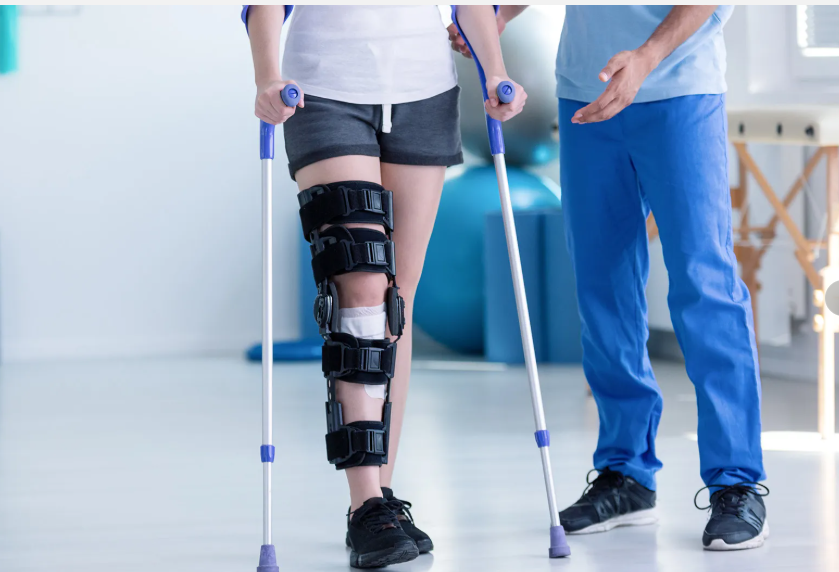
Muscle pain, joint stiffness, sports injuries, and movement limitations can make everyday activities more challenging than they should be. Whether discomfort develops gradually from repetitive movements or follows an accident, these problems can affect work performance, exercise routines, sleep, and overall quality of life. Orthopedic physical therapy focuses on improving movement, restoring strength, and helping individuals manage musculoskeletal conditions through structured rehabilitation. For people seeking Orthopedic Physical Therapy Ashburn, understanding the available treatment approaches can make it easier to identify appropriate care and establish realistic recovery goals. With a personalized rehabilitation plan, patients can work toward better flexibility, improved physical function, and greater confidence when performing routine activities.
Choosing a suitable physical therapy provider is an important part of the recovery process. Individuals may need rehabilitation after an injury, guidance for persistent back or neck discomfort, or assistance rebuilding strength following surgery. Active adults and athletes may also benefit from a structured approach to returning to exercise without placing unnecessary stress on recovering tissues. PT by Art, also known as State of the Art Physical Therapy, is an outpatient physical therapy practice in Ashburn, Virginia, that people can consider when exploring local rehabilitation options. Understanding how orthopedic rehabilitation works, which conditions it may address, and what to expect during treatment can help patients make informed decisions about their physical health.
Understanding Orthopedic Physical Therapy and Its Importance
Orthopedic physical therapy addresses conditions involving muscles, joints, bones, ligaments, tendons, and related structures that support movement. Its primary purpose is to improve physical function while helping patients manage pain, stiffness, weakness, and restricted mobility. Treatment typically begins with an evaluation of symptoms, medical history, movement patterns, strength, flexibility, and functional limitations. A physical therapist may examine how a patient walks, bends, reaches, lifts, or performs other activities to understand which movements are difficult and what factors may contribute to the problem. Based on the findings, the therapist develops an individualized treatment plan that may include therapeutic exercises, mobility training, manual techniques, and education about movement and activity modification. Rehabilitation is not simply about addressing discomfort during a session; it also involves helping patients develop the physical abilities needed for daily life. By focusing on functional goals and adjusting treatment as progress develops, orthopedic physical therapy can support a more structured and informed recovery process.
Common Conditions Treated Through Orthopedic Rehabilitation
Musculoskeletal problems can affect nearly every part of the body, and the appropriate rehabilitation approach depends on the underlying condition and each patient's circumstances. Back and neck discomfort may interfere with sitting, driving, working, or sleeping, while shoulder limitations can make reaching overhead, lifting objects, or getting dressed difficult. Knee and hip problems may affect walking, climbing stairs, and participating in recreational activities. Ankle sprains, muscle strains, tendon-related conditions, and sports injuries can also require progressive rehabilitation to restore strength, coordination, and movement tolerance. Some patients need physical therapy after orthopedic surgery, such as joint replacement or selected ligament procedures, with treatment guided by surgical instructions and individual healing progress. Rehabilitation may also be considered for certain fractures after appropriate medical evaluation and clearance. The treatment plan should reflect the patient's diagnosis, current abilities, and functional priorities rather than follow a generic routine. Persistent or worsening symptoms deserve professional assessment, and sudden severe pain, significant trauma, new weakness, or other concerning symptoms may require urgent medical attention before beginning an exercise program.
Personalized Treatment Plans for Better Recovery
Every patient has different physical demands, health considerations, and recovery expectations, which makes individualized treatment an essential part of effective rehabilitation. An office worker experiencing stiffness after prolonged sitting may need mobility exercises, strengthening activities, and practical advice about changing positions throughout the workday. A recreational athlete recovering from a knee injury may require progressive resistance training, balance exercises, and movement drills that reflect the demands of their sport. Meanwhile, an individual recovering from surgery may need a carefully managed program that follows specific restrictions and gradually restores functional capacity. When researching Orthopedic Physical Therapy Ashburn patients should look for a provider who takes time to understand their concerns, explains the purpose of recommended treatments, and establishes measurable goals. Progress may be evaluated through changes in strength, range of motion, walking tolerance, balance, or the ability to complete previously difficult tasks. Treatment intensity should be adjusted according to the patient's response, and exercises should be modified when symptoms indicate that a different approach is needed. Clear communication between the patient and therapist helps keep rehabilitation practical, safe, and aligned with meaningful everyday outcomes.
The Role of Exercise in Restoring Strength and Mobility
Therapeutic exercise is an important component of orthopedic rehabilitation because muscles and joints often need gradual, controlled activity to regain function after injury or periods of reduced movement. Depending on the patient's needs, a program may include stretching, strengthening, balance training, coordination exercises, and functional movement practice. Early exercises may focus on comfortable mobility and basic muscle activation, while later stages may introduce resistance, endurance challenges, and movements related to work, sports, or household responsibilities. Correct technique and appropriate progression are essential because exercising too aggressively can aggravate symptoms, while insufficient activity may not provide the stimulus needed to improve physical capacity. Patients should follow the prescribed frequency and intensity rather than assume that more repetitions or heavier resistance will produce faster results. Home exercises are particularly valuable when performed consistently and with proper technique between appointments. A therapist can explain how to complete each movement, identify common mistakes, and determine when an exercise can be progressed or should be temporarily modified. With a structured approach, exercise can help patients develop the strength, control, and confidence required for daily activities and a gradual return to preferred forms of physical activity.
Choosing the Right Orthopedic Physical Therapy Provider in Ashburn
Selecting a physical therapy provider involves more than choosing the closest clinic or the earliest available appointment. Patients should consider professional qualifications, experience with their particular condition, communication practices, treatment planning, scheduling, and insurance coverage. Before beginning care, it is helpful to ask what the initial evaluation includes, how progress will be measured, and how the therapist will adapt treatment if symptoms change. Patients recovering from surgery should confirm that the proposed rehabilitation program can accommodate the surgeon's instructions and any movement restrictions. Those managing chronic discomfort may want to understand how exercise, education, and appropriate hands-on interventions could fit into a broader treatment strategy. PT by Art is located in Ashburn and provides an option for individuals researching outpatient physical therapy in the area. Prospective patients can ask about the clinic's approach to their specific condition, available appointment times, and payment arrangements before deciding whether it meets their needs. A good therapeutic relationship should encourage questions, provide understandable explanations, and involve patients in decisions about their care. These considerations help individuals choose a provider based on suitability and informed expectations rather than relying on broad promotional claims.
Maintaining Results After Physical Therapy
Recovery does not necessarily end when scheduled physical therapy appointments are complete. Maintaining improvements often requires patients to continue appropriate exercises, remain physically active within their abilities, and apply the movement strategies learned during treatment. Someone who has recovered from back discomfort may benefit from a consistent strengthening routine and regular breaks from prolonged sitting. An athlete returning to sport may need to continue conditioning, balance work, and gradual training progression to meet the physical demands of competition. Individuals rebuilding strength after surgery should follow their clinician's recommendations about increasing activity and returning to demanding tasks. It is also important to recognize changes in symptoms and respond appropriately rather than ignoring persistent pain or repeatedly pushing beyond current limitations. Regular physical activity, adequate recovery time, appropriate footwear, and sensible adjustments to repetitive tasks can contribute to long-term physical well-being. When new symptoms develop or previous limitations return, a healthcare professional can help determine whether further assessment or treatment is appropriate. Building sustainable habits allows patients to carry the benefits of rehabilitation into their everyday routines and make informed choices about future activity.
Conclusion
Orthopedic rehabilitation can help individuals address movement limitations, rebuild strength, improve flexibility, and work toward returning to the activities that matter most to them. Successful treatment begins with an appropriate assessment, realistic goals, and a personalized plan that balances exercise, functional training, education, and safe progression. Consistent participation and open communication with a qualified healthcare professional are equally important throughout recovery. For those exploring Orthopedic Physical Therapy Ashburn, PT by Art is a local practice worth considering when comparing outpatient rehabilitation options and asking about care suited to specific musculoskeletal concerns. Patients should evaluate professional experience, treatment methods, accessibility, and the ability to address their individual goals before making a decision. By taking an informed approach and maintaining healthy movement habits beyond formal treatment, individuals can work toward better physical function, greater confidence, and a more active lifestyle.

 English
 Arabic
 French
 Portuguese
 Deutsch
 Turkish
 Dutch
 Italiano
 Russian
 Romaian
 Portuguese (Brazil)
 Greek