
 LMS
 Reels Series
When to Schedule Drain Field Services: Key Warning Signs Every Homeowner Should Know
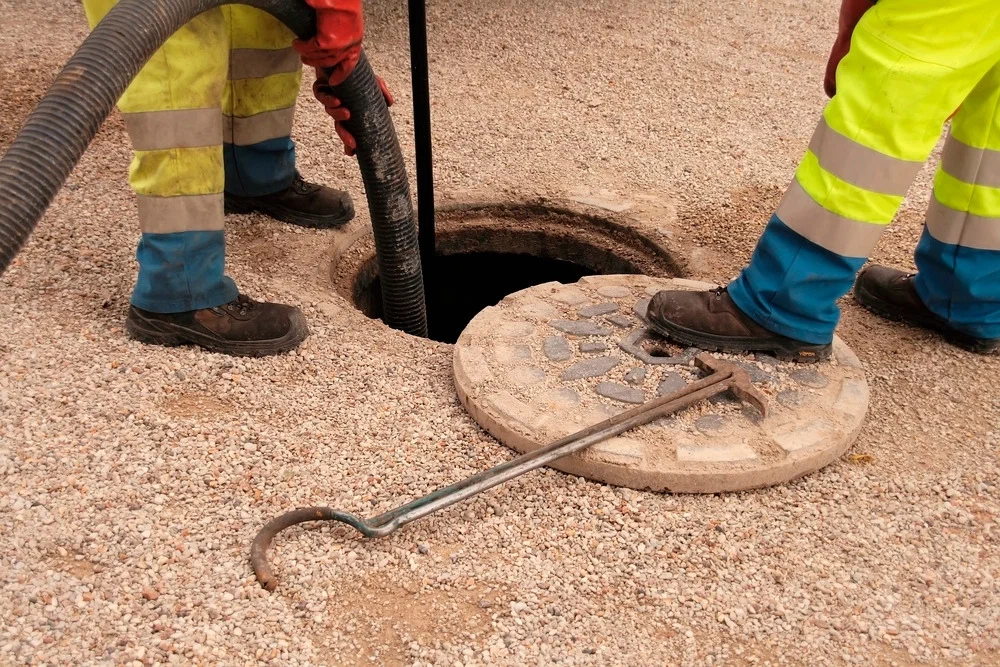
A properly functioning drain field is essential for maintaining a healthy septic system and managing household wastewater safely. After wastewater leaves the septic tank, the drain field distributes it into the surrounding soil, where natural treatment processes help remove contaminants. When the drain field becomes clogged, saturated, or damaged, wastewater may stop dispersing efficiently. This can lead to slow drains, unpleasant odors, wet areas in the yard, and potentially expensive repairs. Because most drain field components are underground, problems can develop before homeowners recognize that something is wrong.
Knowing when to schedule drain field services can help homeowners identify developing issues and take action before significant damage occurs. Routine inspections, timely troubleshooting, and appropriate maintenance can help preserve system performance and reduce the risk of unexpected failures. Although some warning signs may appear gradually, others can indicate a problem that requires immediate professional attention. Understanding these symptoms, recognizing the factors that affect drain field performance, and working with qualified septic professionals can help homeowners protect their property and maintain dependable wastewater management.
Slow Drains Throughout the House
One of the earliest warning signs of a potential septic problem is slow drainage in multiple household plumbing fixtures. If sinks, showers, and toilets begin draining more slowly than usual, the cause may involve a restriction somewhere in the plumbing or septic system. A single slow sink often indicates a localized blockage, but problems affecting several fixtures at the same time may suggest a broader drainage issue. When the drain field cannot absorb wastewater efficiently, the system may struggle to maintain normal flow. However, slow drains alone do not confirm that the drain field has failed. Blocked pipes, a full septic tank, or other plumbing issues can produce similar symptoms. Homeowners should observe whether the problem affects one fixture or several and whether it continues after ordinary plumbing issues have been ruled out. If multiple drains remain slow or backups occur repeatedly, arranging a professional assessment is a sensible next step. A technician can evaluate the tank, accessible pipes, and drain field conditions to determine the source of the problem. Early investigation through drain field services may help prevent continued strain on the system and identify the most appropriate solution.
Persistent Sewage Odors Around the Property
Unpleasant sewage odors near the septic tank, drain field, or inside the home may indicate that wastewater is not being managed properly. A functioning septic system should not produce persistent, strong sewage smells around normal living areas. Odors can develop because of plumbing vent problems, damaged pipes, tank issues, or wastewater that is not dispersing correctly through the drain field. Changes in weather and airflow may sometimes make existing odors more noticeable, but a recurring smell should not be ignored. Homeowners should pay attention to where the odor appears and whether it becomes stronger after heavy water use or rainfall. Avoid attempting to locate a leak by digging around buried septic components, as this can create additional hazards or damage underground infrastructure. A qualified technician can inspect accessible system components and investigate possible causes. If sewage odors occur alongside standing water, plumbing backups, or unusually wet ground, professional attention is especially important. Prompt diagnosis helps determine whether the issue requires plumbing repairs, tank maintenance, or more extensive drain field evaluation.
Standing Water or Unusually Wet Ground
Wet areas above or around the drain field can be an important sign that wastewater is not dispersing as intended. Homeowners may notice soggy soil, standing water, or muddy patches even when there has been little recent rainfall. These conditions can occur when the drain field becomes overloaded, soil absorption is reduced, distribution pipes are damaged, or wastewater reaches the surface. Heavy rain and poor yard drainage can also cause wet ground, so the location and persistence of the moisture should be considered alongside other symptoms. If an area remains wet during dry weather or develops a sewage odor, the condition deserves professional investigation. Avoid walking through suspected wastewater discharge areas and keep children and pets away from the affected ground. Wastewater can contain harmful microorganisms, making direct contact unsafe. Homeowners should also avoid adding more water to an already struggling system by postponing unnecessary laundry or other high-water activities until the problem is assessed. A septic professional can evaluate the drain field and determine whether the issue involves soil saturation, pipe damage, excessive water loading, or another cause. Addressing persistent wet spots early may reduce environmental risks and prevent further deterioration.
Frequent Septic Backups and Plumbing Gurgling
Repeated wastewater backups are a more serious warning sign that should receive prompt attention. When toilets overflow, drains push wastewater back into sinks or showers, or plumbing fixtures make repeated gurgling sounds, the system may be experiencing restricted flow. Possible causes include a blockage in the plumbing, an overloaded septic tank, a damaged pipe, or a drain field that cannot accept wastewater effectively. The symptoms may become more noticeable when several water-using appliances operate close together. However, homeowners should not assume that every backup is caused by the drain field, since a localized obstruction can produce similar problems. If wastewater enters the home, stop using unnecessary water and contact a qualified septic or plumbing professional. Avoid repeated flushing or running water in an attempt to clear the system, as this may worsen the backup. Wastewater spills should be handled carefully because they can contaminate indoor surfaces and pose health concerns. A thorough inspection can identify the source of the restriction and establish whether the solution involves cleaning, pumping, pipe repairs, or drain field work. Prompt action is important because recurring backups can cause property damage and create unsanitary conditions.
Unusually Green Grass Above the Drain Field
Grass that grows noticeably faster or appears greener in one section of the yard may indicate that additional moisture or nutrients are reaching the soil. When this pattern appears directly above the drain field, it can sometimes suggest that wastewater is surfacing or that the area is receiving excessive moisture. However, differences in sunlight, irrigation, fertilizer use, and soil composition can also affect grass color. A green patch by itself does not prove that a septic system is failing. Homeowners should look for additional signs, such as persistent wet ground, sewage odors, or recurring drainage problems. If several symptoms occur together, a professional assessment can help determine whether wastewater is reaching the surface or whether another landscape-related factor explains the difference. Avoid installing irrigation systems or applying additional water to the affected area until the situation is understood. It is also important not to dig into the drain field to investigate the cause independently. A qualified technician can inspect the system and recommend further testing when necessary. Recognizing changes in the yard as part of a wider pattern can help homeowners identify developing problems before they become more difficult to manage.
Your Septic System Has Missed Routine Maintenance
Not all drain field problems begin with obvious symptoms. In some cases, the risk increases because routine septic maintenance has been delayed or the system's service history is unclear. Over time, sludge and scum accumulate inside the septic tank. If solids build up excessively, they may move into the outlet pipe and reach the drain field, potentially clogging distribution components or reducing the soil's ability to absorb wastewater. Appropriate tank pumping and inspections help reduce this risk, although the correct schedule depends on tank size, household occupancy, water consumption, and system design. Homeowners should not assume that pumping alone can resolve a drain field problem that has already developed. If the system has not been inspected for an extended period, scheduling a professional evaluation can help establish its current condition and identify any maintenance needs. Keep records of previous pumping visits, repairs, and inspections so future service providers can make informed recommendations. Regular maintenance also creates an opportunity to discuss water-use habits, signs of deterioration, and ways to protect underground components. A proactive maintenance plan is often easier to manage than responding to a sudden septic emergency.
Heavy Rainfall or Excessive Water Use Affects Drainage
Drain fields rely on suitable soil conditions to absorb and treat wastewater. When the soil becomes saturated after heavy rainfall, its ability to accept additional liquid may decrease temporarily. If the household also uses large amounts of water during this period, the septic system may face additional pressure. Homeowners may notice slow drains, wet ground, or temporary drainage problems that become more pronounced during rainy weather. Similar symptoms can occur when leaking toilets, faulty plumbing fixtures, or multiple laundry loads send excessive water into the system. While occasional changes do not automatically indicate permanent drain field damage, persistent or recurring symptoms deserve attention. Homeowners can reduce unnecessary water loading by repairing leaks, spreading laundry loads throughout the week, and avoiding excessive water use when the system is struggling. Roof gutters and surface drainage should also be directed away from the drain field to prevent additional saturation. If drainage problems continue after weather conditions improve, a professional should assess the system rather than assuming the issue will resolve on its own. An evaluation can help distinguish temporary overloading from a more significant drainage or structural problem.
How Professional Drain Field Services Help Prevent Costly Repairs
Professional assessment is valuable because several different septic problems can produce similar warning signs. A qualified technician can examine accessible components, review the system's maintenance history, and determine whether additional diagnostic work is necessary. Depending on the symptoms, the evaluation may include checking the septic tank, inspecting distribution pipes, examining visible drain field conditions, or using specialized equipment to investigate accessible underground piping. The recommended solution depends on the findings and may involve tank pumping, blockage removal, pipe repair, adjustments to water use, or more extensive drain field work. Not every problem requires a complete replacement, and a reliable professional should explain the evidence supporting the recommended approach. Homeowners should request a clear description of the issue, the proposed work, and the expected costs before approving significant repairs. It is also helpful to ask whether permits or inspections are required for major work. Timely drain field services can help identify problems while they are more manageable, but the outcome depends on the condition of the system and the cause of the failure. Combining professional care with sensible household practices offers a practical way to protect the septic system and reduce the risk of recurring problems.
Conclusion
Recognizing the warning signs of drain field trouble can help homeowners protect their septic systems and avoid unnecessary property damage. Slow drains, persistent sewage odors, standing water, repeated backups, unusual grass growth, delayed maintenance, and drainage changes after heavy rainfall may all justify closer investigation. Although these symptoms do not always confirm drain field failure, they provide useful reasons to evaluate the system before the problem becomes more severe.
Scheduling timely drain field services allows qualified professionals to identify the likely cause of septic concerns and recommend appropriate maintenance or repairs. Homeowners can further support system performance by managing water consumption, protecting the drain field from heavy equipment, keeping surface water away, and maintaining accurate service records. Rather than waiting for an emergency, property owners should respond promptly to recurring symptoms and follow a maintenance schedule suited to their system. With careful monitoring and professional guidance, homeowners can improve septic reliability, protect their property, and maintain safer wastewater management for years to come.
 Dutch
 English
 Arabic
 French
 Spanish
 Portuguese
 Deutsch
 Turkish
 Italiano
 Russian
 Romaian
 Portuguese (Brazil)
 Greek