
 LMS
 Reels Series
Sign Works: How Commercial Signage Installation Services Help Businesses Avoid Costly Project Delays?
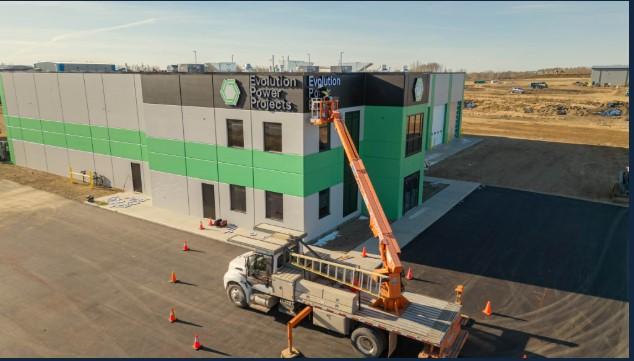
A commercial sign is often one of the first physical elements customers notice when approaching a business. However, producing an attractive sign is only one part of a successful signage project. Proper measurements, suitable mounting methods, site preparation, access planning, and careful installation all contribute to the final result. If these details are overlooked, a sign may be difficult to see, improperly positioned, or unsuitable for the building where it is installed.
Sign Works recognizes the importance of bringing signage plans into the real world with attention to practical requirements. Professional Commercial Signage Installation Services help businesses coordinate the transition from sign design to a finished installation. Whether a company is opening a new location, renovating an existing property, or replacing an outdated sign, a well-organized installation process can reduce avoidable complications and help the completed sign serve its intended purpose.
Why Installation Planning Should Begin Early?
Sign installation planning should start before equipment and materials arrive at the property. Businesses need to consider the building's layout, the intended viewing direction, the available mounting surface, and the surrounding environment. These details influence where a sign can be positioned and how it can be installed safely. Identifying site limitations early can prevent last-minute changes that affect project schedules and budgets.
Professional Commercial Signage Installation Services also involve coordinating practical requirements such as access to the installation area, working hours, delivery arrangements, and the availability of suitable equipment. A sign installed above an entrance may require different preparation from one mounted inside a reception area. When businesses consider these factors at the beginning, they can establish more realistic expectations and create a smoother path from planning to completion.
Evaluating the Building and Installation Surface
Every commercial property presents different installation conditions. Exterior walls may feature brick, concrete, metal panels, glass, or other materials, while interior spaces may include drywall, suspended ceilings, and decorative finishes. The mounting approach must suit the surface and the sign's characteristics. Choosing an unsuitable fixing method can affect stability, damage the property, or create maintenance problems later.
A site assessment helps identify obstacles that may not be obvious from photographs or design drawings. Windows, drainage features, electrical services, architectural details, and existing signs can all influence the installation. Installers should also consider the sign's dimensions and weight, along with any relevant structural requirements. Careful assessment helps determine whether the proposed location is practical before installation work begins.
Coordinating Safety and Site Access
Safety is a central part of commercial signage work, particularly when signs are installed at height or near public entrances. The installation plan should account for pedestrian movement, vehicle access, equipment positioning, and the possibility of falling objects. Depending on the project, work may require barriers, warning signs, restricted access, or specialized lifting equipment to protect employees, visitors, and installers.
Businesses should discuss site-specific requirements before work starts. Busy retail entrances, industrial properties, and active construction sites may need different arrangements to keep normal operations moving safely. Qualified personnel should follow applicable workplace safety requirements and use appropriate equipment for the job. Effective coordination helps prevent unnecessary disruption while ensuring that installation activities are managed responsibly.
Managing Installation Around Business Operations
Closing an entrance or interrupting customer access can create difficulties for a business. For this reason, installation schedules should be planned around the property's daily activities whenever possible. A retailer may prefer work before opening hours, while an office may need installation arranged around visitor appointments or employee access. The best schedule depends on the type of sign, the work involved, and the property's operating requirements.
Experienced providers of Commercial Signage Installation Services understand that timing and communication are important parts of the project. Confirming arrival times, identifying restricted areas, and informing relevant staff can help reduce confusion on installation day. If temporary access changes are necessary, businesses can prepare customers and employees in advance. These simple arrangements can make a signage project easier to manage without compromising the installation process.
Ensuring Accurate Positioning and Visibility
A sign can be installed securely yet still perform poorly if people cannot see it clearly. Positioning should reflect how customers approach the property, the distance from which the sign needs to be read, and the presence of nearby buildings, trees, or other visual obstructions. Signs intended to identify an entrance may require a different position from those designed to be viewed by passing traffic.
Accuracy during installation also affects the overall appearance of the property. Alignment, spacing, height, and orientation should match the approved design and the practical conditions of the site. For signs that include multiple panels or letters, consistent spacing can create a cleaner and more professional result. Checking these details before the work is considered complete helps ensure that the finished installation meets the project's objectives.
Integrating Different Types of Commercial Signs
Commercial properties often use several types of signage to communicate with different audiences. Exterior building signs identify the business, directional signs help visitors find entrances and departments, and interior signs provide information once people enter the premises. Window graphics, illuminated signs, and branded displays can support additional communication needs. Each format has its own installation considerations, so the plan should reflect the sign's intended function.
For businesses updating multiple areas at once, Commercial Signage Installation Services can help coordinate the practical requirements of different sign types. The project may involve different mounting surfaces, electrical considerations for illuminated displays, or installation sequences that allow each stage to proceed efficiently. Coordinating these elements under a clear plan helps create a consistent visual environment instead of a collection of unrelated signs installed at different times.
Checking Quality Before Project Handover
The final inspection is an important stage of any signage installation. Before handing over the project, the completed signs should be checked for alignment, secure mounting, visible damage, and consistency with the approved specifications. Any illuminated or electronic components should be tested where applicable. The surrounding area should also be reviewed to identify installation debris, exposed materials, or issues that need attention.
A structured handover helps the business understand how to care for the new signage. Depending on the installation, this may include guidance about cleaning, routine visual checks, electrical servicing, or reporting a problem. Keeping relevant project details and maintenance information can also be useful if repairs or future modifications are required. A careful final review gives the business a clearer understanding of the completed work and its ongoing responsibilities.
Planning for Long-Term Performance
Commercial signs are exposed to everyday use and, in exterior locations, changing weather conditions. Rain, wind, sunlight, temperature changes, and airborne debris can affect appearance and performance over time. Choosing appropriate materials and installation methods helps address these conditions, although no sign is entirely maintenance-free. Businesses should consider the environment in which the sign will operate when making decisions about design and installation.
Regular inspections can help identify loose fittings, surface deterioration, fading, or other changes before they become more significant problems. The appropriate inspection frequency depends on the sign type, location, and exposure to environmental conditions. Businesses should arrange qualified support when a sign requires repair or when structural or electrical concerns arise. Taking a long-term approach can help protect the investment and keep signage looking professional.
Choosing Sign Works for Your Installation Project
Selecting an installation partner involves considering more than availability or the initial quote. Businesses should discuss the proposed scope of work, site assessment, access requirements, installation schedule, and responsibilities for final inspection. Clear communication helps establish what is included in the project and identifies any site conditions that may require additional preparation.
Sign Works supports businesses looking for practical signage solutions that complement their commercial spaces and branding requirements. When discussing a project, it is useful to explain the sign's purpose, preferred location, building conditions, and any scheduling restrictions. A clear understanding of these details helps guide the installation process and supports decisions that balance appearance, usability, safety, and long-term performance.
Conclusion
Successful commercial signage depends on more than design and manufacturing. Building assessments, suitable mounting methods, safety planning, accurate positioning, and thorough final inspections all contribute to an effective result. By addressing these considerations early, businesses can reduce avoidable delays, protect their property, and create a more organized installation experience.
For companies planning new signs, property upgrades, or replacements, Commercial Signage Installation Services provide the practical expertise needed to move from an approved design to a finished sign. Sign Works can help businesses consider installation requirements as part of a wider signage plan, supporting professional presentation and everyday usability. With thoughtful preparation and appropriate ongoing care, commercial signs can remain a valuable part of a company's identity and communication strategy.

 English
 Arabic
 French
 Portuguese
 Deutsch
 Turkish
 Dutch
 Italiano
 Russian
 Romaian
 Portuguese (Brazil)
 Greek