
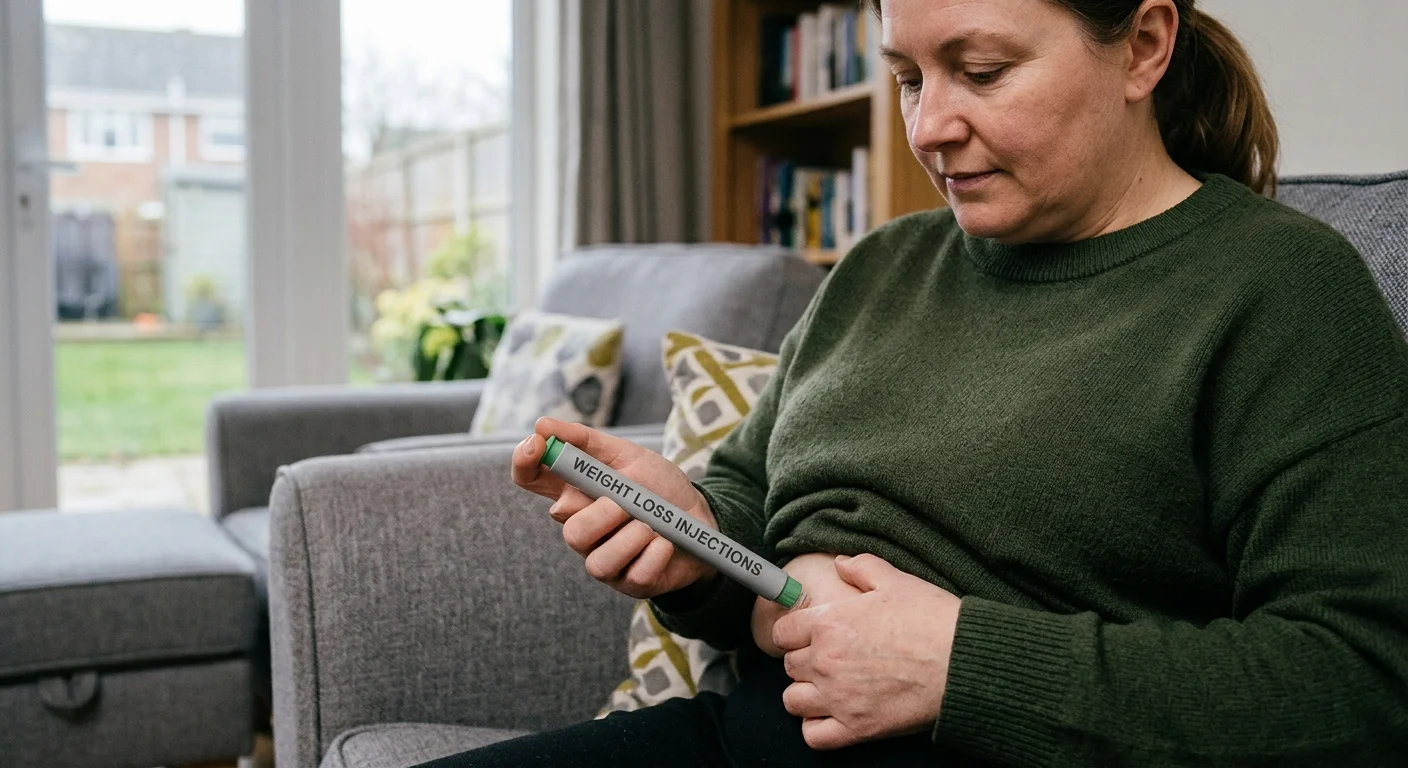

Mounjaro Weight Loss UK: What Happens After Stopping Treatment and How to Maintain Results?
Reaching a healthier weight can feel like a major achievement, particularly after months of consistent effort and medical treatment. However, one question often emerges as patients approach their goals: what happens when the injections stop? For adults exploring Mounjaro weight loss UK treatment, understanding long-term weight maintenance is just as important as knowing how the medication supports initial weight reduction.
Stopping treatment can bring changes in appetite, eating habits and body weight. These effects vary between individuals, making professional guidance essential when considering whether to continue or discontinue medication. Preparing for this transition can help patients develop realistic expectations and maintain healthier routines.
Understanding What Happens After Stopping Mounjaro
Mounjaro contains tirzepatide, a prescription medicine that activates GIP and GLP-1 receptors involved in appetite regulation. During treatment, these hormonal effects can reduce hunger and increase feelings of fullness. Once medication is discontinued, its appetite-suppressing effects gradually diminish.
The body may begin responding differently to food as treatment levels decline. Some people notice stronger hunger signals, while others experience gradual changes in meal portions. These adjustments do not necessarily happen immediately after the final injection.
How Long Does Tirzepatide Remain in the Body?
Tirzepatide has an approximate half-life of five days, meaning its concentration decreases progressively after the final dose. Most of the medicine is generally eliminated within approximately 25 to 30 days. However, changes in appetite and weight do not follow an identical timetable for everyone.
Why Weight Regain Can Occur After Treatment
Weight regain is a recognised concern after discontinuing appetite-regulating medication. When hunger increases, maintaining the same calorie intake may become more challenging. The body also undergoes physiological adaptations following substantial weight reduction.
Clinical research indicates that many people regain some weight after stopping tirzepatide. However, the amount regained varies, and individual circumstances influence longer-term outcomes. Weight regain should not automatically be interpreted as a lack of effort or commitment.
The Role of Biological Appetite Regulation
Hunger involves complex interactions between hormones, the digestive system and the brain. Weight reduction can influence these signals, sometimes encouraging increased food intake. Understanding these biological changes helps explain why maintaining a lower weight may require continued support.
Does Everyone Regain Weight After Mounjaro?
Although clinical studies demonstrate a substantial risk of weight regain, individual experiences differ. Some patients maintain meaningful weight reductions, while others experience more pronounced increases. Predicting an exact outcome for a particular person is not possible.
Lifestyle habits, treatment history, medical conditions and ongoing professional support can influence weight management. Maintaining progress generally requires attention to long-term behaviour rather than relying exclusively on previous medication effects.
Why Long-Term Planning Matters
Preparing for treatment discontinuation allows patients to discuss potential challenges before they arise. A maintenance plan can consider food intake, physical activity and appropriate clinical reviews. This provides a more structured approach than stopping medication without discussing the next steps.
Is Mounjaro Intended for Long-Term Treatment?
Mounjaro is used for chronic weight management in eligible adults and does not have a fixed maximum treatment duration under current NICE guidance. Some patients may continue treatment long term when the clinical benefits outweigh potential risks. Others may stop because of side effects, personal preferences or changing medical circumstances.
The decision should involve a qualified prescriber who understands the patient's treatment history. Reaching a particular weight does not automatically mean medication must be discontinued.
Discuss Treatment Duration Early
Patients should understand that weight management may require ongoing care before beginning medication. Discussing possible treatment duration helps clarify financial commitments and expectations. It also creates an opportunity to establish realistic maintenance goals.
Maintaining Balanced Eating Habits After Mounjaro
Changes in appetite may make familiar eating routines more difficult to maintain after treatment. Patients who previously felt satisfied with smaller meals may begin experiencing stronger hunger. Establishing balanced dietary habits during treatment can make this transition more manageable.
Meals should continue providing appropriate protein, fibre, vitamins and minerals. Extreme calorie restriction is unlikely to provide a sustainable solution and may compromise nutritional wellbeing.
Build Meals Around Nutritional Quality
Vegetables, wholegrains, lean proteins and healthy fats contribute to balanced nutrition. Choosing satisfying meals may help manage hunger without relying on excessively restrictive rules. Individual dietary advice can be useful when weight maintenance becomes challenging.
Why Physical Activity Supports Weight Maintenance
Regular physical activity contributes to energy expenditure, cardiovascular health and general wellbeing. It can also help preserve physical function following weight reduction. However, exercise should be approached as part of overall health rather than punishment for eating.
Walking, swimming, cycling and resistance training can provide different benefits. Patients should choose activities that suit their fitness levels and medical circumstances.
Preserving Muscle Strength
Weight reduction can involve losses of both fat and lean tissue. Resistance exercise may support muscle preservation and everyday strength. Appropriate dietary protein also contributes to maintaining muscle during weight management.
Understanding the Search to Buy Skinnyjab Online
People searching to buy skinnyjab online may encounter several prescription medicines with different active ingredients and treatment requirements. The phrase “skinny jab” is an informal term rather than the name of one specific licensed treatment. Understanding what each medicine contains is essential before considering a prescription.
London Slimming Clinic provides information about injectable weight management options through an online assessment service. A UK-licensed prescriber reviews medical suitability before treatment can be supplied.
Avoid Restarting Medication Independently
Patients who previously used tirzepatide should not automatically resume their old dose after a treatment break. Restarting may require a revised dosing schedule based on the duration of interruption and previous tolerability. A prescriber should determine the appropriate approach.
Could Wegovy Be Considered After Mounjaro?
Some patients may consider another prescription medicine when their existing treatment is unsuitable. Wegovy contains semaglutide, which acts on GLP-1 receptors involved in appetite regulation. It differs from tirzepatide, which targets both GIP and GLP-1 receptors.
Those exploring a Wegovy private prescription UK service should understand that changing medicines requires medical assessment. Wegovy is not automatically an appropriate maintenance treatment after Mounjaro.
Why Switching Requires Professional Guidance
Different weight management medicines follow distinct dosing schedules and escalation requirements. There is no universal conversion between Mounjaro and Wegovy doses. Switching decisions must consider medical history, previous side effects and treatment goals.
Monitoring Weight Without Becoming Overly Focused
Regular weight monitoring can help identify meaningful changes following treatment discontinuation. However, everyday fluctuations occur because of hydration, digestion and other physiological factors. Reacting to every small increase can create unnecessary concern.
A consistent monitoring routine may provide more useful information than frequent measurements. Patients can discuss an appropriate approach with their healthcare professional.
Focus on Sustainable Progress
Weight maintenance involves more than keeping the scales at an exact number. Improvements in mobility, eating habits and physical fitness also contribute to wellbeing. Setting realistic goals can help patients maintain a balanced perspective.
Managing Hunger and Food Cravings
Increased hunger can become noticeable as tirzepatide's effects diminish. Some patients may also experience the return of cravings that felt easier to manage during treatment. Preparing for these changes can help reduce uncertainty.
Regular, balanced meals may support comfortable fullness and adequate nutrition. Including protein and fibre can also contribute to a satisfying eating pattern.
Avoid Returning to Restrictive Dieting
Severe dietary restrictions may initially appear attractive when weight begins increasing. However, highly restrictive approaches can be difficult to sustain and may worsen nutritional balance. A registered dietitian can help develop a realistic maintenance strategy.
When Should Patients Seek Clinical Support?
Patients considering discontinuation should speak with their prescribing clinician before making changes. Medical review is particularly important when stopping because of side effects, pregnancy planning or other health concerns. Significant symptoms may require more urgent assessment.
London Slimming Clinic offers online consultations involving UK-licensed prescribers who assess treatment suitability. Patients should clarify what ongoing support is available when considering changes to their weight management plan.
Recognising When Further Assessment Is Needed
Rapid changes in eating habits, troublesome symptoms or concerns about weight regain may warrant professional advice. Clinicians can review medical circumstances and discuss suitable treatment options. Patients should avoid independently combining or restarting prescription medicines.
Creating a Sustainable Weight Maintenance Plan
A practical maintenance plan should reflect everyday responsibilities rather than depend on unrealistic routines. Work schedules, family commitments and individual food preferences can influence what remains manageable. Flexible habits are often easier to maintain over extended periods.
Planning balanced meals, maintaining physical activity and arranging appropriate healthcare reviews can support continued progress. Patients may also benefit from behavioural support when adjusting to stronger appetite signals.
Understanding Evidence-Based Maintenance Advice
The NICE guidance on prescribing, reviewing and stopping tirzepatide recommends continuing support when patients discontinue medication after losing weight. It emphasises maintaining dietary changes and physical activity while considering individual needs. Where weight regain occurs, clinicians can discuss additional support and whether restarting treatment is appropriate.
This guidance highlights that stopping medication should not mean ending weight management care. Continued professional input can help patients navigate appetite changes and establish realistic expectations. Decisions should reflect individual clinical circumstances rather than a predetermined stopping date.
Conclusion: Planning for Life After Mounjaro
Stopping Mounjaro can bring changes in appetite and body weight, making long-term planning an important part of treatment. Although weight regain is common, individual outcomes vary and appropriate support can help patients manage the transition. Sustainable nutrition, physical activity and realistic goals remain central to weight maintenance.
London Slimming Clinic provides clinician-led assessments for eligible adults considering private prescription weight management in the UK. Patients should discuss treatment duration, discontinuation and future medication decisions with a qualified prescriber. Long-term progress depends on informed choices and continued attention to overall health.


