
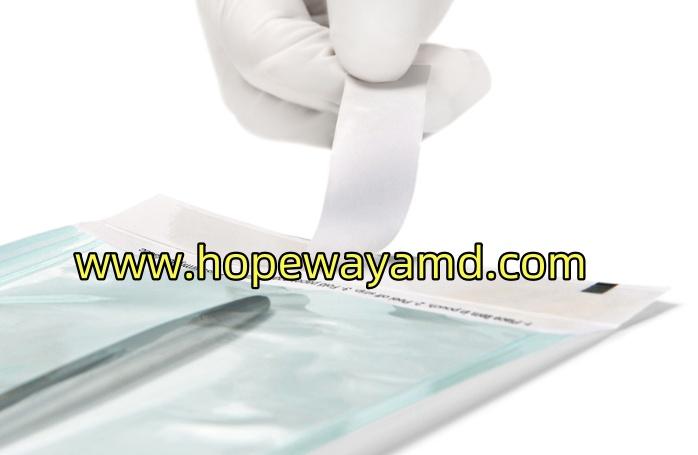

Medical packaging requires thoughtful consideration of materials, sealing methods, and product-specific requirements. The Heat Sealing Sterilization Pouch from Hopeway AMD offers a packaging solution for manufacturers and healthcare facilities seeking a structured approach to protecting medical instruments and supplies during sterilization, storage, and handling. Its heat-sealing design provides a practical option for packaging operations where closure consistency and material compatibility are important.
Heat sealing is an essential process in many medical packaging applications. By applying controlled heat and pressure under appropriate conditions, packaging materials can be joined to create a closed package. The quality of the sealing process depends on several factors, including material characteristics, equipment settings, package design, and operating procedures. Careful attention to these elements helps manufacturers establish packaging processes suited to their specific applications.
Material compatibility is a fundamental consideration when developing medical packaging. Different sterilization methods place different demands on packaging structures, making it necessary to evaluate material properties before selecting a suitable solution. Packaging should accommodate the intended sterilization process while providing appropriate protection against environmental influences throughout its designed storage and handling conditions.
The structure of a heat-sealed pouch can also influence packaging efficiency. A clearly defined sealing area allows operators to follow established packaging procedures, while a suitable package format can accommodate different instruments, components, and medical supplies. Packaging dimensions and material combinations should be selected according to the characteristics of the enclosed product rather than treated as universal requirements.
In manufacturing environments, packaging materials need to work alongside existing production processes. Compatibility with heat-sealing equipment, material feeding, package preparation, and inspection procedures can affect operational planning. Manufacturers may evaluate these considerations when introducing a new packaging format or adjusting their existing packaging arrangements. A well-planned packaging process can help maintain workflow consistency while supporting product-specific requirements.
Another important aspect is package usability. Medical professionals and other end users need packaging that can be handled appropriately during preparation and opening. The package structure, sealing area, and material characteristics all contribute to the overall experience. Thoughtful design can make packaging easier to manage while helping users follow established procedures in their working environments.
Packaging development also involves communication between material suppliers, manufacturers, and users. Understanding the intended application, sterilization method, equipment conditions, and storage requirements helps establish a clearer direction for material selection. These discussions can support packaging decisions that reflect actual operational needs rather than assumptions.
As medical packaging continues to evolve, heat-sealing technology remains an important consideration for businesses developing packaging systems for healthcare products. Evaluating materials and processes together can help manufacturers identify packaging formats that fit their production arrangements and intended applications.
A packaging project is more than a sealing process; it is an opportunity to rethink how materials, equipment, and product requirements work together. Visit https://www.hopewayamd.com/product/ to browse medical packaging solutions, examine available material options, and uncover new ideas for your next packaging design. Take a closer look, and let your next packaging decision begin with the right information.


