
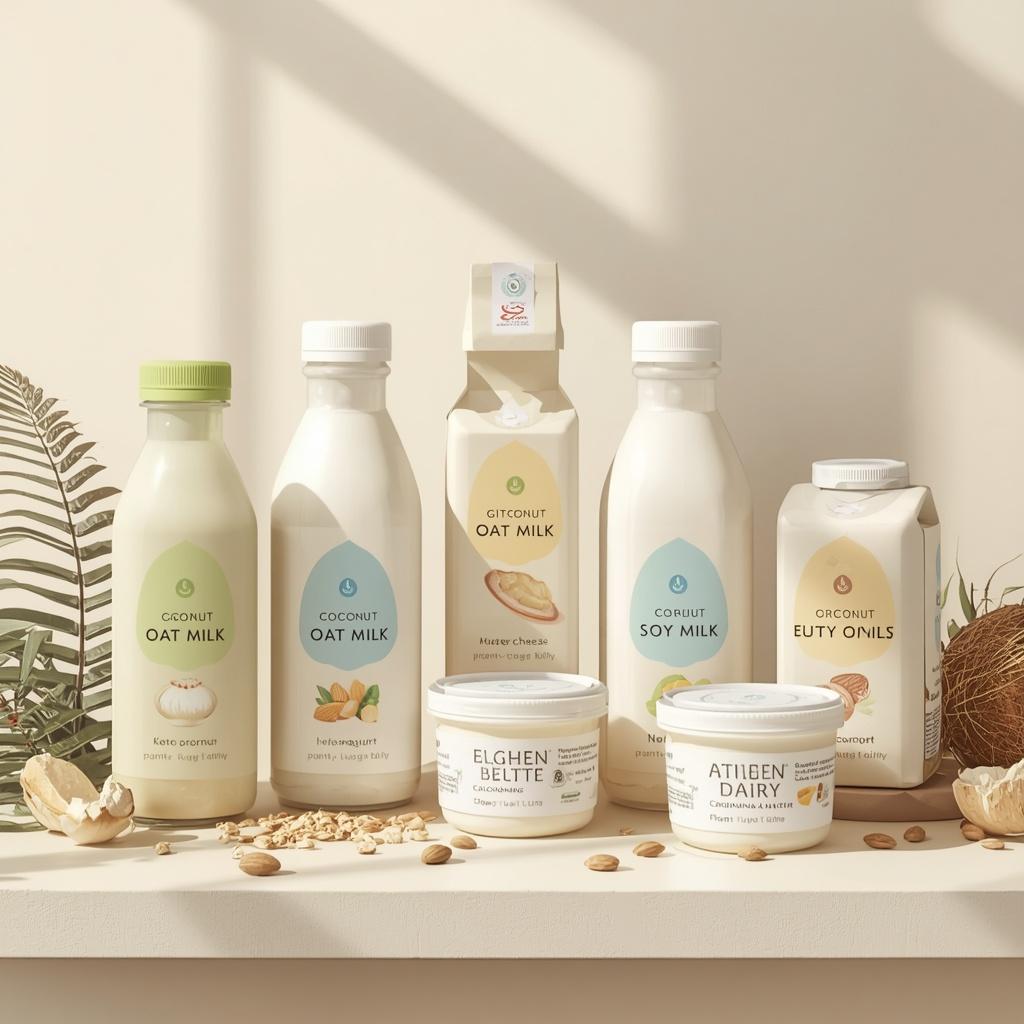

The food and beverage industry is experiencing significant changes as consumers explore different dietary choices and alternative food products. Traditional dairy products continue to hold an important position in everyday consumption, but interest in plant-derived alternatives is encouraging manufacturers to introduce innovative options. Plant-based dairy products are becoming increasingly relevant to consumers seeking variety in their food choices. This changing environment is creating opportunities for manufacturers, ingredient suppliers, retailers, and food service businesses operating in the Plant-Based Dairy Market.
The growing interest in plant-based dairy alternatives reflects the changing approach toward dairy consumption and food product development. These alternatives are produced using plant-derived ingredients such as soy, almonds, oats, coconuts, and other botanical sources. They are available in different product categories, including milk alternatives, plant-based yogurt, cheese alternatives, creamers, and frozen desserts. Their versatility is encouraging food companies to expand their product portfolios.
Changing Consumer Preferences
Consumer preferences are playing an important role in the development of the plant-based dairy industry. People are increasingly exploring different food options based on dietary requirements, ingredient preferences, taste, and lifestyle choices.
Some consumers choose plant-based dairy products because they prefer avoiding conventional dairy ingredients, while others are interested in experimenting with different flavors and textures. This variety of preferences encourages manufacturers to develop products that appeal to different customer groups.
Brands are also focusing on improving product accessibility through retail stores, supermarkets, online platforms, and food service channels.
Expanding Product Categories
The plant-based dairy industry includes several product categories that provide opportunities for manufacturers. Plant-based milk alternatives are widely recognized, while yogurt, cheese, butter alternatives, and creamers are also receiving attention.
Manufacturers are experimenting with different plant ingredients to develop products with distinctive characteristics. Almond-based beverages may appeal to consumers seeking nut-based alternatives, while oat-based products offer another option for individuals exploring different beverage choices.
Plant-based cheese and yogurt products are also creating opportunities for product innovation within the dairy alternatives segment.
Importance of Taste and Texture
Taste and texture are important factors influencing consumer acceptance of plant-based dairy products. Consumers often expect alternatives to provide enjoyable eating and drinking experiences.
Manufacturers are therefore focusing on improving product consistency, creaminess, flavor, and overall sensory characteristics. Different plant ingredients offer different formulation possibilities, encouraging companies to experiment with ingredient combinations.
Product development teams are also working to improve the performance of plant-based dairy alternatives in cooking, baking, and beverage preparation.
Innovation in Product Development
Innovation is helping brands differentiate their offerings in the competitive plant-based dairy industry. Manufacturers are introducing different flavors, packaging formats, and product combinations to attract consumer attention.
Companies are also exploring products designed for specific applications, including coffee preparation, breakfast consumption, desserts, and everyday cooking.
These developments provide opportunities for ingredient suppliers and food technology businesses involved in plant-based product manufacturing.
Distribution and Retail Opportunities
Retail distribution plays an important role in making plant-based dairy products accessible to consumers. Supermarkets, grocery stores, specialty food retailers, and online shopping platforms provide opportunities for brands to expand their customer reach.
Food service businesses are also exploring plant-based alternatives for beverages, desserts, and prepared meals.
Brands that maintain product quality and develop effective distribution strategies can strengthen their presence across different sales channels.
Future Market Outlook
The Plant-Based Dairy Market is connected with broader developments in food innovation and changing consumer preferences. Continued product diversification, improvements in taste and texture, and expanding retail availability can create additional opportunities.
Manufacturers that prioritize customer expectations, ingredient quality, and product innovation may strengthen their position in this evolving industry.
FAQs
Q1. What products are included in the plant-based dairy market?
The market includes plant-based milk, yogurt, cheese alternatives, butter alternatives, creamers, and plant-based frozen desserts.
Q2. Which ingredients are commonly used in plant-based dairy products?
Common ingredients include soy, almonds, oats, coconut, cashews, and other plant-derived ingredients.


